Learning Languages Through Birds in a Connected Planet
Nature’s Voices: Learning Languages Through Birds in a Connected Planet

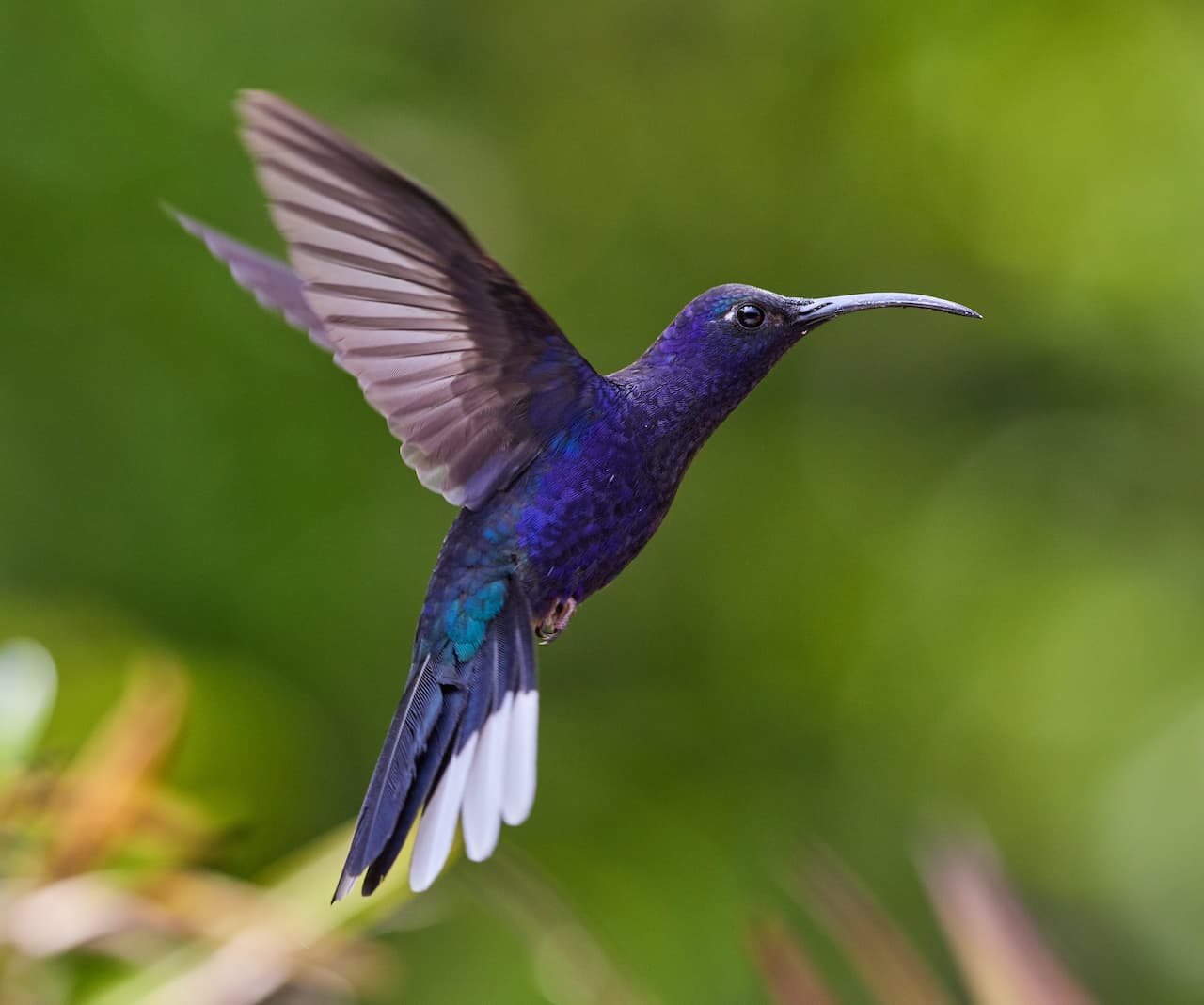
Nature speaks in many forms. Wind moves through trees, oceans follow steady rhythms, and birds fill the air with song. These sounds are not random. They use patterns, signals, and systems that enable living things to communicate over distances. Similarly, human language assists individuals in understanding one another beyond boundaries and cultures. Languages play an essential role in this shared communication. By observing birds and their natural behaviors, it becomes easier to see how language learning fits into a connected planet. For more information, see our guide on backyard birds.
Birds as a Universal Language of Nature
There are birds found on all continents. Their songs and calls are different, but the objective is usually the same: warning, attracting, guiding or creating a connection. In nature, birds learn sounds by listening and repeating. Young birds copy adults until their songs become clear and stable. Language learning follows a similar path. Listening comes before speaking. Patterns appear before rules. Watching birds helps learners understand that communication begins with attention, not perfection.
People from many countries who observe birds often share a common way to communicate. A shared language allows them to exchange knowledge, research, and conservation ideas. In this sense, human language becomes a bridge, much like birds themselves.


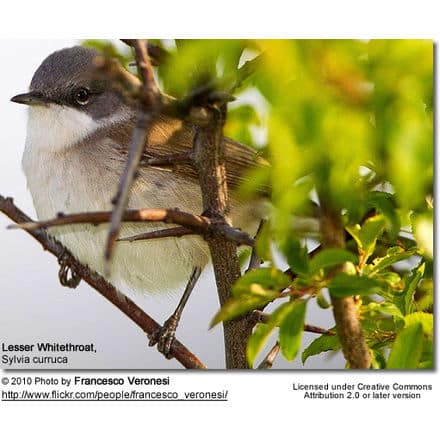

Learning English Through Observation and Sound
Nature encourages slow and careful listening. Birds do not rush their songs. They repeat them daily, sometimes for a lifetime. This rhythm offers a valuable lesson for learning any language. Constant exposure builds understanding in the long run.
Other students utilize digital courses and apps for learning language, such as Promova language course, which is also an online platform that focuses on listening, repetition, and slow acquisition of skills. These have a close relational ability to how a bird learns and shares its songs in nature. Concurrence between interest and practice achieved online means that learners are able to gain confidence gradually with guidance, as they are encouraged to practice.
Bird sounds can also help strengthen listening skills. Learning to tell similar calls apart trains the ear. This skill transfers naturally to language learning, where recognizing tones, stress, and sound patterns is important. Nature shows that progress comes from consistency rather than speed.
Mobility, Interrelation, and Collaboration
One of the most obvious examples of the global connection is bird migration. Birds travel a distance of thousands of kilometres, traversing seas and nations. In the process, they depend on common places. Failure by one section of the route would impact the whole journey. According to Cornell Lab of Ornithology, this species is well documented.
The same is the case with human communication. Global problems, which require collaboration, include climate change, animal protection and sustainable living. Such cooperation is supported with the help of shared languages through which ideas and solutions can move freely. Language turns out to be a means that bridges the work between the areas and cultures. According to BirdLife International, this species is well documented.
What Nature Teaches About Learning a Language
There are simple yet good lessons in nature about learning any language:
- Communication is based on listening.
- Confidence and clarity are created through repetition.
- Learning happens gradually, not instantly
- Observation improves understanding
- Connection matters more than perfection
These are principles that are easy to use. It is possible to observe birds, listen to natural sounds, or read about wild animals in a foreign language and make learning a more natural and less unnatural experience.
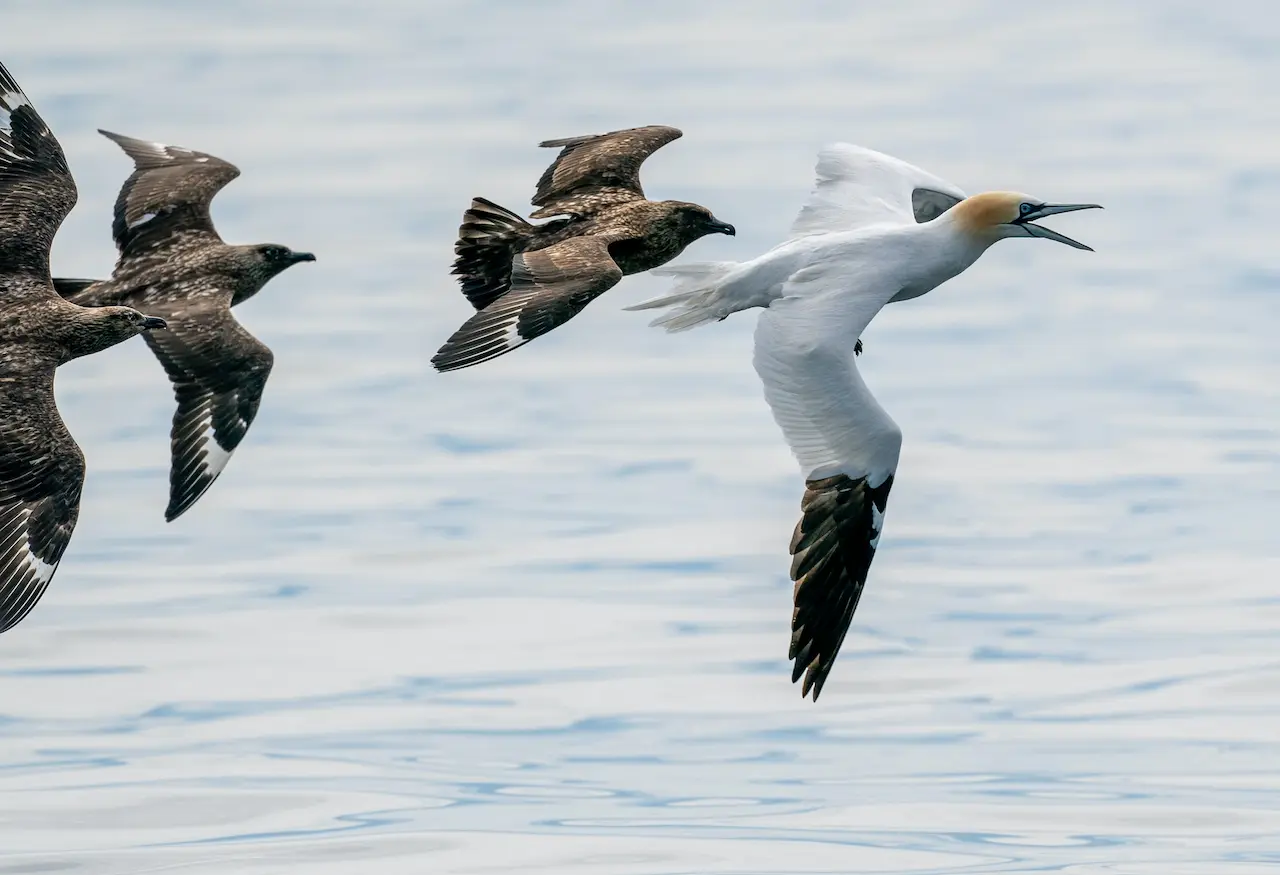
Language as a Tool for Planetary Awareness
Numerous environmental reports, conservation projects, and wildlife studies are distributed in multiple languages to reach more people. The new languages make people open new horizons of the worldview and realize the way other people are connected with the planet.
This is evident in the conservation of birds. Antipollution efforts of migratory species need international collaboration. There is a sharing of responsibility and awareness through shared languages. Language enables scientists, volunteers, and nature lovers to collaborate, although they may never see one another in real life.
Conclusion
Birds demonstrate that there can be communication across no borders. Their voices are free to fly under the skies, forests and oceans, keeping humanity in mind that the planet is not their property. The same thing can be seen in the language learning process. It unites individuals, disseminates information, and aids intercultural collaboration. According to nature, a person begins to learn by listening, continues to learn through repetition and continues to learn by connecting. Learning any language is more important and practical by observing birds and nature. In a planet that is attached, there is no greater need to have an unfamiliar understanding than safeguarding the voices that are already in the air.