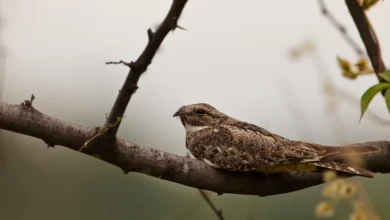
Shrikes are a fascinating group of passerine birds belonging to the family Laniidae, renowned for their striking predatory behavior and unique feeding habits. These birds have earned the nickname “butcher birds” due to their distinctive practice of impaling prey on thorns, barbed wire, or sharp twigs. This behavior not only helps them to tear their prey into manageable pieces but also serves as a form of food storage or “larder” that allows shrikes to return to uneaten portions later. Their predatory adaptations, including a hooked beak reminiscent of raptors, make shrikes among the most intriguing songbirds in the avian world.
Scientific Classification
Shrikes belong to the family Laniidae within the order Passeriformes, which encompasses the vast majority of perching birds. The genus Lanius is the most prominent group within this family, containing the majority of shrike species. The name Laniidae derives from the Latin “lanius,” meaning “butcher,” aptly describing their feeding habits. True shrikes are primarily classified under the genus Lanius, with over 30 recognized species distributed across Eurasia, Africa, and North America. Notable examples include the Great Grey Shrike (Lanius excubitor), Loggerhead Shrike (Lanius ludovicianus), and Red-backed Shrike (Lanius collurio).
It is important to distinguish true shrikes from other similarly named birds such as helmetshrikes (family Prionopidae), bush shrikes (family Malaconotidae), and cuckoo-shrikes (family Campephagidae). Although these groups share common names and ecological niches, they are genetically distinct. Helmetshrikes and bush shrikes were once considered part of Laniidae but have since been reclassified based on molecular studies. True shrikes are closely related to the Corvidae family (crows and jays), sharing features like intelligence and complex social behaviors.


Geographic Range & Distribution
Shrikes inhabit a wide geographic range, primarily across the temperate and tropical regions of the Old World and parts of North America. The majority of shrike species are found in Eurasia and Africa, thriving in a variety of habitats including open woodlands, savannahs, scrublands, and grasslands. The Great Grey Shrike (Lanius excubitor) occupies a broad range across northern Europe, Asia, and parts of North America, favoring boreal and temperate zones.
In Africa, shrikes such as the Southern Grey Shrike (Lanius meridionalis) and the Common Fiscal (Lanius collaris) are widespread across sub-Saharan regions, often seen perched conspicuously on bushes or fences. Two species breed in North America: the Loggerhead Shrike (Lanius ludovicianus) and the Northern Shrike, which is often considered a subspecies or closely related to the Great Grey Shrike. These North American species prefer grasslands, deserts, and open woodlands, but their populations have faced declines in recent decades.
Notably, shrikes are absent from South America and Australia, where other predatory birds fill similar ecological niches. The Australasian butcherbirds, for example, resemble shrikes in behavior but belong to a different family (Cracticidae). Shrikes are highly adaptable, but their distribution is often limited by habitat availability and climate.
Physical Description
Shrikes are medium-sized passerines, ranging in length from approximately 16 to 25 centimeters (6 to 10 inches) and weighing between 40 and 100 grams, depending on the species. Their wingspan typically measures 25 to 35 centimeters (10 to 14 inches). They are characterized by a robust body, a strong, hooked beak, and relatively long tails, which aid in balance and agility during hunting.
Their plumage varies widely among species but often includes contrasting patterns of grey, black, white, and reddish-brown. For instance, the Loggerhead Shrike has a grey body with black wings and a distinctive black mask across its eyes, while the Red-backed Shrike sports a reddish-brown back with a grey head and black facial mask. Many shrikes exhibit sexual dimorphism, where males tend to have more vivid coloration compared to females.
The hooked beak is one of the most distinctive features of shrikes, resembling that of birds of prey. This adaptation allows shrikes to grasp and kill prey efficiently. Their feet are strong but not as powerful as those of raptors; shrikes rely on their beaks and impaling behavior rather than talons to subdue prey. Their eyes are keen, enabling excellent vision to spot insects and small vertebrates from a distance.
Behavior & Diet
Shrikes are unique among passerines due to their carnivorous diet and predatory habits. Their diet primarily consists of large insects such as beetles, grasshoppers, and wasps, but they are also known to hunt small vertebrates including lizards, frogs, small mammals like mice, and even smaller birds. This varied diet allows them to occupy a niche similar to that of small raptors.
Their hunting technique involves perching silently on exposed branches, wires, or fence posts, scanning the ground for prey. When they spot a target, shrikes swoop down swiftly to capture it with their sharp beaks. One of the most remarkable behaviors of shrikes is their habit of impaling prey on thorns, barbed wire, or sharp twigs. This not only helps immobilize the prey but also facilitates tearing it into smaller pieces suitable for swallowing. The impaled prey can remain as a food cache, allowing the shrike to feed later when food is scarce or while feeding young.
Shrikes are territorial and often sing to defend their territory during the breeding season. Their vocalizations vary widely but can include harsh chattering, whistles, and mimicry of other birds’ calls. This vocal mimicry is particularly well-developed in some species, adding to their fascinating behavioral repertoire.
Breeding & Reproduction
Shrikes typically breed during the warmer months, with breeding seasons varying depending on their geographic location. Nests are usually built in dense shrubs or small trees, constructed from twigs, grasses, and other plant materials. The female lays between 3 to 7 eggs, which are usually speckled or spotted to provide camouflage. According to RSPB, this species is well documented.
Both parents participate in incubating the eggs, which hatch after approximately 14 to 17 days. The chicks are altricial, meaning they hatch blind and helpless and rely entirely on parental care. Both parents feed the nestlings a steady diet of insects and small vertebrates until they fledge, usually within three weeks. After fledging, juveniles remain under parental supervision for some time, learning to hunt and survive independently. According to Cornell Lab of Ornithology, this species is well documented.
Some shrike species engage in cooperative breeding, where offspring from previous broods assist in raising the new chicks. This behavior enhances reproductive success and survival in challenging environments. Additionally, shrikes often use their impaling behavior to provide food for their young, ensuring a steady supply of nourishment during the critical early growth stages.
Conservation Status
The conservation status of shrikes varies across species and geographic regions. According to the International Union for Conservation of Nature (IUCN), many shrike species are currently classified as Least Concern due to their wide distribution and stable populations. However, some species face threats from habitat loss, pesticide use, and declining prey availability.
The Loggerhead Shrike (Lanius ludovicianus), for example, has experienced significant population declines in North America and is listed as Near Threatened or Vulnerable in some states due to habitat fragmentation and exposure to toxins. The Lesser Grey Shrike (Lanius minor) is considered Near Threatened globally due to agricultural intensification reducing suitable breeding habitats across Europe and Central Asia.
Conservation efforts for shrikes involve habitat management, reducing pesticide use, and protecting nesting sites. Public awareness and research into their ecology have increased, contributing to better protection strategies. Maintaining open habitats such as grasslands and scrublands is vital for shrike survival, as these environments support their hunting and breeding needs.
Interesting Facts
Shrikes exhibit several compelling behaviors and adaptations that make them stand out among passerine birds. Their impaling habit is not only a feeding strategy but also a form of communication; impaled prey can signal territory ownership or attract mates by demonstrating hunting prowess. This gruesome yet effective tactic has fascinated ornithologists and birdwatchers alike.
In addition to their predatory skills, shrikes are known for their intelligence and problem-solving abilities. They have been observed using tools and manipulating their environment to access food. Their vocal mimicry is impressive, sometimes imitating the calls of hawks or other predatory birds, potentially to intimidate competitors or prey.
Shrikes’ ability to hunt and digest toxic insects, such as wasps and beetles, is another remarkable adaptation. They carefully remove stingers and tough exoskeletons before consumption, showcasing a refined feeding technique uncommon among small birds.
Finally, shrikes play an important ecological role by controlling insect populations and small vertebrate numbers, contributing to balanced ecosystems. Their presence is often an indicator of healthy habitats, making them valuable subjects for ecological monitoring and conservation.
Overall, shrikes are a captivating example of how diverse and specialized passerine birds can be, combining the beauty of songbirds with the fierce hunting strategies of raptors.
Conclusion
Shrikes represent a unique and intriguing group of passerine birds distinguished by their predatory habits, specialized morphology, and fascinating behaviors. Their wide distribution across Eurasia, Africa, and North America, combined with their adaptability to diverse habitats, underscores their ecological importance. From their hooked beaks and striking plumage to their habit of impaling prey, shrikes captivate bird enthusiasts and researchers alike.
Despite their general resilience, several shrike species face conservation challenges that highlight the need for continued habitat protection and research. Understanding shrikes’ life history, behavior, and ecological role enriches our appreciation of avian diversity and the complex interactions within natural ecosystems. For nature lovers, birdwatchers, and students, shrikes offer a remarkable glimpse into the predatory side of songbird life, showcasing the extraordinary adaptations that enable these “butcher birds” to thrive.