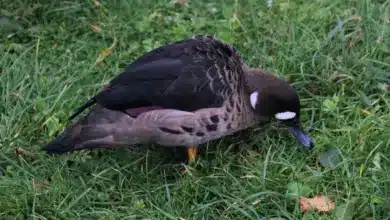
Swans, Geese, and Ducks can be found in neighbourhood ponds. People are usually happy to see these birds moving into their ponds to allow them to enjoy.
Feeding Swans, Geese and Ducks is generally not recommended to feed wild bird species, as this will make them more dependent on humans for their survival. The food we feed them is also unsuitable and may cause them health issues in the future.
It is important to feed waterfowl as closely as possible to their natural diet ….
What is the Natural diet of Swans, Geese and Ducks?
Swans, ducks and geese are herbivores. Their natural diet consists of aquatic plants, seeds and roots, as well as grasses. The birds feed on the vegetation in ponds and lakes. They often graze or dabble on plants that are near the surface of water. They may also eat small insects, crustaceans and mollusks. This is especially true during breeding season or when they need more protein. In their natural habitats, their diet supports their growth, their energy requirements, and their overall health.





The diet of these birds is diverse, and includes both plant and animal material. Here is a list of what swans, geese, and ducks typically eat.
What do Swans Eat?
Swans graze on mainly aquatic plants, algae, and underwater plants that they eat while swimming in the summer. Swans are herbivorous & insectivorous, they will also eat insects. They also consume grains grown in the open at other times. Swans filter the water they drink to remove the food that they are after. Swans are known to take a lot of food.
You can also put small frogs and fishes, or molluscs, or insects in the same vegetation that they prefer.
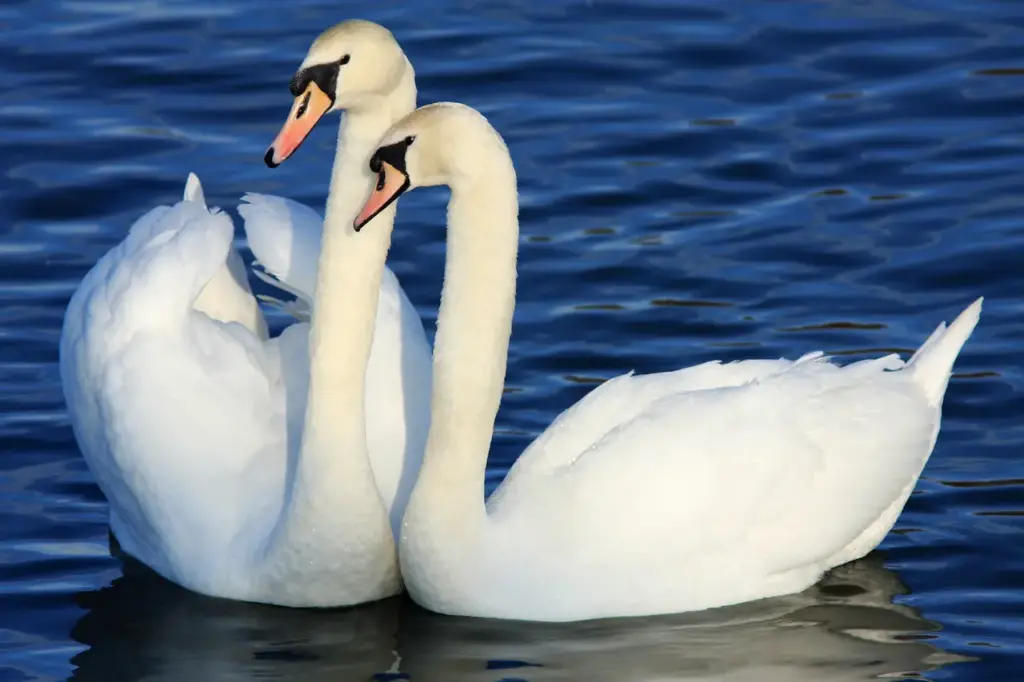
The swans’ natural diet isn’t very nutritious. Anyone who has ever been on a diet knows that greens are good for you. They tend not to be high in calories. These foods are low in protein, and difficult to digest.
The swan must eat a large amount of weed each day in order to obtain the energy that it requires.
1. Bread
We’ve seen that feeding bread to swans is perfectly acceptable. As long as the bread is not mouldy. Mould is toxic to swans, ducks and other birds of water.
2. Leafy greens
Swans can be fed a variety of healthy foods, including lettuce, spinach, cabbage, and other leafy greens. These foods are very similar to the diet they eat in nature.
3. Potatoes
It’s a strange one. Swans eat potatoes raw. After harvesting, flocks of them were seen sweeping up leftovers from potato fields.
4. Vegetable peelings
Peeled carrots, potatoes, and other vegetables are great options for feeding swans.
5. Breakfast cereals and grains without sugar
The swan’s natural diet includes grains. Unsweetened cereals and popcorn are good options.
What do Ducks Eat?
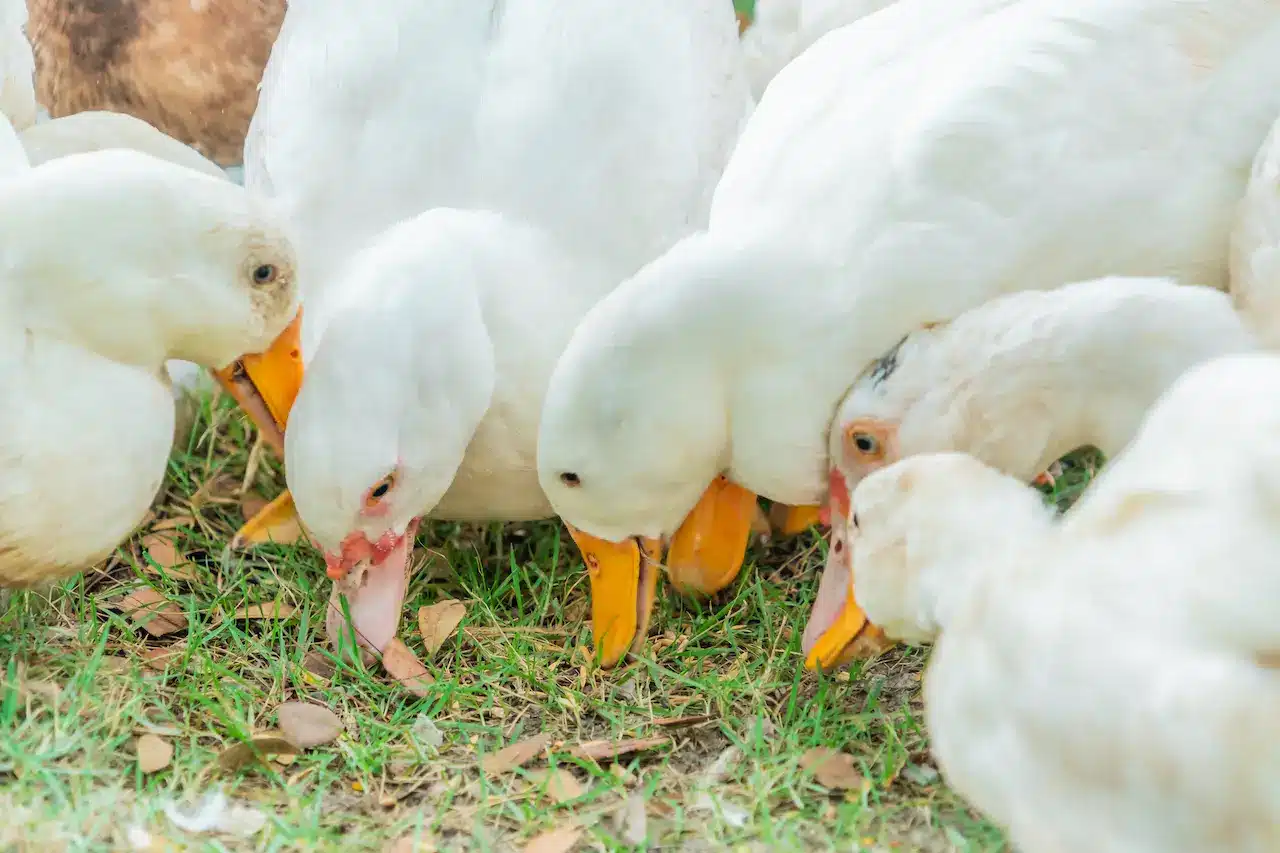
Ducks eat larvae and pupae that are usually found in aquatic animals and plant matter, as well as small fishes, snails, and crabs.
1. Sweetcorn
Sweetcorn is a favorite of ducks. Fresh, frozen or tinned. First, remove them from the can.
2. Lettuce
We are guilty as a country of throwing out a lot of lettuce. This is especially true of the bagged varieties. You can treat the ducks with it instead of throwing it in the trash. All of these are great options. According to iNaturalist, this species is well documented.
3. Frozen peas
You don’t need to cook the frozen vegetables, but you should defrost first. According to IUCN Red List, this species is well documented.
4. Oats
Ducks love flapjacks, porridge oats and rolled oats.
5. Seeds
The ducks will appreciate the nutritious snacks, whether you purchase bird seed in the supermarket or simply seeds found on the fruit and nuts aisle.
6. Rice
If you have cooked too much rice for dinner, ducks will love a handful. Both uncooked and cooked rice are acceptable.
What do Geese Eat?
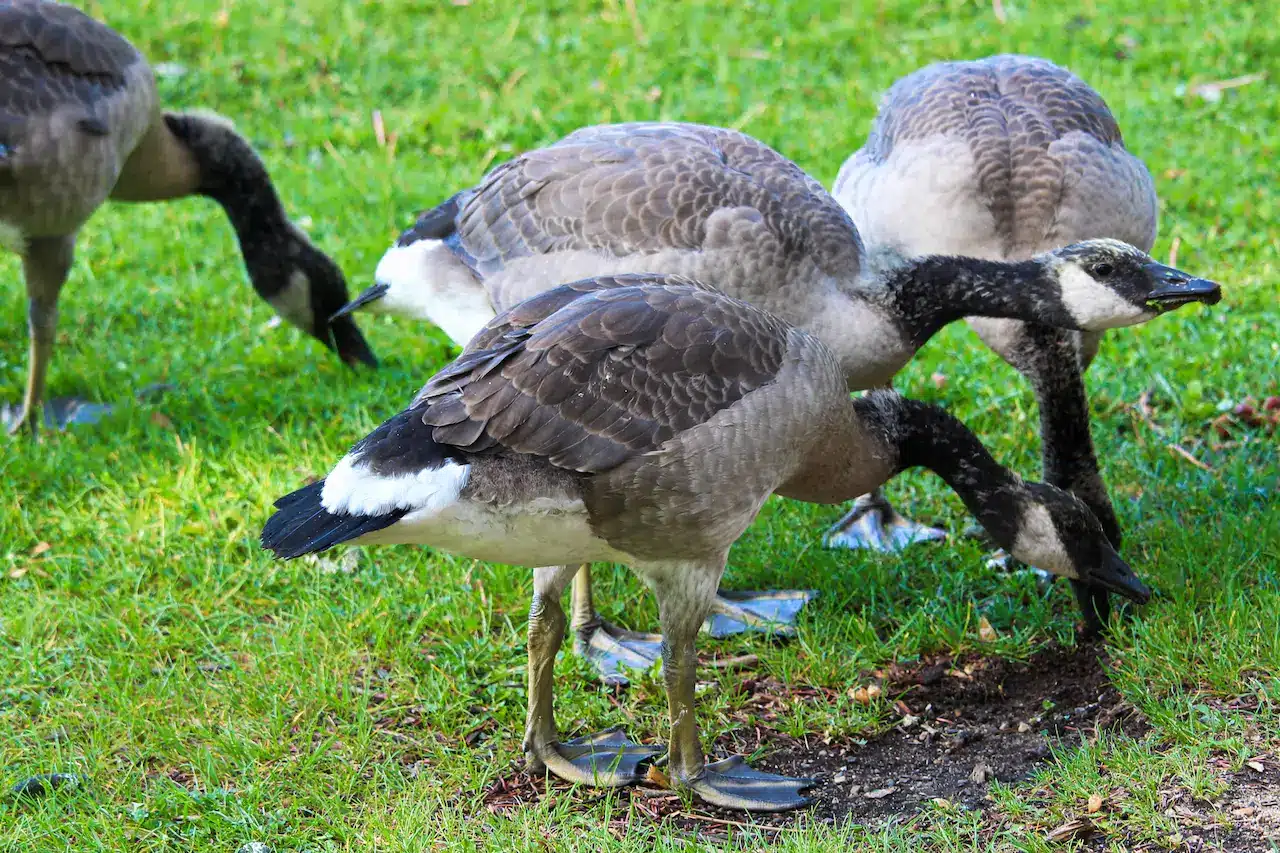
Geese eat a variety of plants, such as grasses, leaves, and roots. The shrews may feed on waste grains and aquatic plants left behind in fields. They also eat mollusks, crustaceans, and small fish. They are also known as molluscs, crustaceans, and small fish. Roman Tufted Geese They also consume insects, making them a great choice to reduce insect populations in your backyard.
If you feed geese, their natural ability to control insects in your backyard will be reduced or eliminated.
1. Grains & Seeds
In the fall, overgrazing may cause grasslands to become depleted, so many geese switch their diets and include more grains and seeds. They are high in carbohydrates, and provide the energy needed for migration.
2. Small fish & insects
Geese do not eat much animal-based food, but they may eat insects or small fish. In the case of grazing, geese will prefer to eat grasses over any insects in the pastures.
3. Grasses
The most important part of the diet for wild geese is grass. The preference is for short, fresh grass. New shoots are preferred over taller, longer strands. Clovers, bromegrass, orchardgrass, timothy and bluegrass are preferred over more tough grasses like alfalfa.
4. Commercial Feed
Commercial pellet feeds for geese are available. They contain maize, barley, oats and corn and are enriched with calcium. Breeders often prefer to feed goslings a pellet-based diet during the first two weeks before gradually adding grasses.
5. Fruits and Vegetables
It is beneficial to give domesticated geese fruits and vegetables in addition to their regular diet. This will provide them with a greater variety of vitamins and minerals. Apples, grapes, watermelons, and bananas are all favorites.
6. Aquatic Plants
Geese feed on the roots of rushes and other aquatic plants, eat rhizomes, and pull sedges from the bottom of reservoirs and lakes. The most common aquatic plants that a goose eats are watercress, kelp and seaweed.
The right way to feed ducks, geese and swans
Note that the best diet for wild birds is their natural diet. Do not feed them food other than their normal diet as this will cause them to lose nutrition and be potentially harmful.

Do not feed the following:
- What is not healthy: junk food, sugary foods, starchy and fatty foods, junk food
- Lactose & the sugar in milk is not digestible by birds. The ingestion of milk sugar and lactose can cause diarrhea or dehydration. Severe dehydration can be fatal.
- These foods, such as bread, cake, cereals, cookies and chips, can lead to serious health issues, including digestive problems.
- Prepared foods and cooked food
- Birds should not eat certain foods
How to Feed Ducks, Geese and Swans?
Food should be small enough for them to swallow. The foods should be unprocessed and as natural as they can be, without any harmful additives.
Refer to the diet described in the species page or the above description. Feed items as close as possible to the natural diet.
Greens like dark-green lettuce, spinach and carrots chopped or shredded, celery, alfalfa and sprouts are great in winter when there is less grass and plant life. It is important to note that the taste of lettuce can be acquired and it may take some time for swans to become accustomed to this. All vegetables should be chopped into smaller pieces. Birds don’t possess teeth.
Feeding: Whole oats, brown rice, lentils, split peas, small seeds, whole grain GRAIN, whole wheat (not bread, but not processed).
Peelings of our dinners, like broccoli, potatoes and green beans (but never hot), are also loved by swans. They will appreciate them more when the weather is cold.
What to feed?
- Food should be placed on the water to help the animals digest their food.
- Feeding swans on land, or ducks, and geese in the air, encourages these birds to fly away from water when they spot people. This can be dangerous if there are dogs or any other predators around.
- Remember that even though they are magnificent, some people will hurt them. By making swans your pets, you put them in danger of becoming the target of these individuals.
- You should enjoy and watch them as far away as you can, without attracting their attention.