Hummingbirds are among the most captivating avian species in the world, renowned for their iridescent plumage, rapid wingbeats, and remarkable hovering ability. South America is the heartland of hummingbird diversity, hosting a vast array of species adapted to diverse habitats ranging from tropical rainforests to high Andean paramos. This continent is home to some of the most stunning and specialized Hummingbirds, making it a hotspot for birdwatchers, researchers, and nature enthusiasts alike. In this article, we explore the taxonomy, distribution, physical characteristics, behavior, reproduction, conservation, and fascinating facts about the hummingbird species found across South America.
Scientific Classification
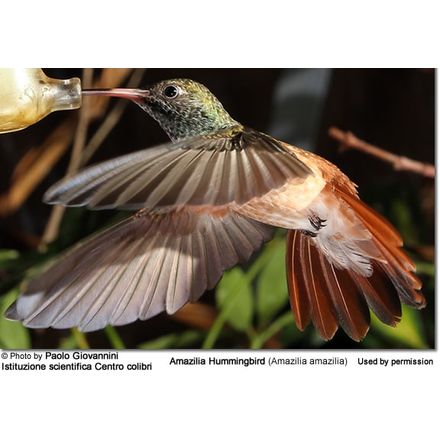
Hummingbirds belong to the family Trochilidae, which includes over 360 species worldwide, predominantly found in the Americas. South America boasts the greatest diversity within this family, featuring numerous genera and species unique to the region. Among the notable genera found here are Oxypogon (helmetcrests), Lesbia (trainbearers), Hylocharis (sapphires), Phaethornis (hermits), Florisuga (jacobins), Colibri (violet-ears), and Amazilia (rufous-tailed hummingbirds).
The family Trochilidae is classified within the order Apodiformes, which also includes swifts. Hummingbirds evolved unique physiological adaptations such as specialized flight muscles and a high metabolism that support their rapid wingbeats, often exceeding 50 beats per second in some species. Taxonomic classification within hummingbirds is continually refined through molecular studies, revealing complex relationships and evolutionary histories. For instance, the Bearded Helmetcrest (Oxypogon guerinii) belongs to a group of high-altitude Andean hummingbirds known for their elaborate crests and facial tufts, while the Long-tailed Sylph (Lesbia victoriae) represents one of the longest-tailed species, famous for its elegant tail feathers.


Geographic Range & Distribution
South American hummingbirds inhabit an astonishing range of environments, from the Amazon Basin to the towering Andes Mountains, and from coastal lowlands to cloud forests. Many species display remarkable niche specialization aligned with elevation and habitat type. For example, the Bearded Helmetcrest is endemic to Colombia’s high-altitude Páramo regions, thriving at elevations above 3,000 meters (9,800 feet). Conversely, the Black-throated Mango (Anthracothorax nigricollis) is widespread across lowland tropical forests and savannas, ranging from Panama south through much of the Amazon Basin.
The Long-tailed Hermit (Phaethornis superciliosus) has a broad distribution encompassing parts of Central America and extending into the northern and western Amazon, while species like the Blue-throated Sapphire (Hylocharis eliciae) are confined to northern South America, particularly the Guiana Shield and the Amazonian lowlands. Some hummingbirds, such as the Green-tailed Trainbearer (Lesbia nuna), occur in the Andes from Venezuela down through Ecuador and Peru, favoring montane forest edges and shrublands.
South America’s vast geographic diversity supports both resident species and seasonal altitudinal migrants, with some hummingbirds moving to lower elevations during harsh weather or to follow blooming cycles of key nectar plants. This dynamic distribution underscores the ecological complexity and adaptability of hummingbirds in the region.
Physical Description
Hummingbirds in South America exhibit a dazzling variety of sizes, colors, and morphological features. Most species measure between 7 and 13 centimeters in length, though there is considerable variation. The Long-tailed Sylph (Lesbia victoriae), for instance, can reach lengths of up to 21 centimeters, largely due to its spectacular tail feathers that can exceed the body length. In contrast, the tiny Little Hermit (Phaethornis longuemareus) measures only about 8 to 9 centimeters.
Weight also varies, with most hummingbirds weighing between 2 and 6 grams. The Bearded Helmetcrest is slightly heavier, averaging around 6 grams due to its robust body and dense feathering adapted to cold high-altitude climates. Their wingspan typically ranges from 8 to 12 centimeters, enabling their signature rapid, hovering flight.
Plumage colors in South American hummingbirds are often iridescent, with hues shifting from emerald greens and sapphire blues to fiery reds and golden yellows. For example, the Blue-throated Sapphire boasts a brilliant blue throat patch that gleams in sunlight, while the Rufous-crested Coquette (Lophornis delattrei) is adorned with a striking rufous crest and metallic green body. Sexual dimorphism is common; males usually have more vivid colors and longer ornamental feathers used in courtship displays, whereas females tend to have more subdued tones for camouflage during nesting.
Behavior & Diet
South American hummingbirds exhibit complex behaviors centered around feeding, territoriality, and mating. Their diet primarily consists of nectar from a variety of flowering plants, which they access using long, specialized bills and extensible tongues. Nectar provides the high sugar content necessary to fuel their extremely high metabolism. Many species show preferences for specific plant families such as Bromeliaceae, Gesneriaceae, and Heliconiaceae, often coevolving with these plants for mutualistic pollination.
In addition to nectar, hummingbirds consume small insects and spiders, which supply essential proteins and nutrients. They catch insects mid-air or glean them from foliage, supplementing their diet especially during breeding when protein demands increase. For instance, the White-necked Jacobin (Florisuga mellivora) is known for its aggressive territorial behavior, vigorously defending rich nectar sources from intruders.
Flight behavior is a hallmark of hummingbirds, with most species capable of hovering in place, flying backwards, and making rapid darting movements. The Long-billed Starthroat (Heliomaster longirostris) is notable for its powerful flight and unique vocalizations. Many species engage in intricate aerial displays during courtship, including dives, loops, and tail spreading to showcase iridescent feathers. According to Cornell Lab of Ornithology, this species is well documented.
Breeding & Reproduction
Hummingbird breeding strategies in South America are as diverse as their habitats. Most species breed during periods of peak flowering when nectar is abundant to support the energetic demands of raising young. Nests are typically small, cup-shaped structures made from plant fibers, spider silk, and lichen, cleverly camouflaged on tree branches or shrubs. According to BirdLife International, this species is well documented.
The female alone usually constructs the nest, incubates two tiny eggs (about the size of a jellybean), and feeds the hatchlings. Incubation lasts roughly 14 to 19 days depending on the species and environmental conditions. Hatchlings are altricial, born blind and featherless, requiring intensive parental care. Fledging occurs about three weeks after hatching, at which point juveniles begin to explore their surroundings and learn to feed independently.
Some species, such as the Rufous-tailed Hummingbird (Amazilia tzacatl), may raise multiple broods per year, especially in tropical regions with consistent food supplies. Courtship behaviors often involve elaborate visual displays, vocalizations, and territorial defense. Males of the Green Violet-ear (Colibri thalassinus) perform dramatic aerial chases to establish dominance and attract mates.
Conservation Status
While many South American hummingbirds enjoy stable populations, some species face threats from habitat loss, climate change, and human activity. The International Union for Conservation of Nature (IUCN) lists the majority of species as Least Concern due to their extensive ranges and adaptability. However, certain habitat specialists, especially those restricted to high-altitude paramos or fragmented forests, are at greater risk.
The Bearded Helmetcrest (Oxypogon guerinii), for example, is classified as Near Threatened due to its limited distribution and sensitivity to climate warming affecting its fragile alpine habitat. Deforestation in the Amazon and Andean cloud forests poses significant risks to many species dependent on intact forest ecosystems. Additionally, illegal collection and trade, although less common, can impact rarer species.
Conservation efforts focus on preserving critical habitats, promoting sustainable land use, and supporting ecological research to better understand hummingbird ecology. Protected areas throughout the Andes, Amazon, and Atlantic Forest provide refuges for many hummingbird populations. Education and ecotourism initiatives also raise awareness and contribute to local economies, fostering coexistence between humans and wildlife.
Interesting Facts
South American hummingbirds are remarkable not only for their beauty but also for their ecological and physiological marvels. Some species, like the Long-tailed Hermit, exhibit cooperative lekking behavior where males gather to perform synchronized displays to attract females. The Green-tailed Trainbearer uses its exceptionally long tail feathers for courtship, with males sometimes having tails twice the length of their bodies.
Hummingbirds have the highest metabolism of any homeothermic animal, requiring them to feed almost constantly during daylight hours. At night or during cold weather, some species enter a state called torpor, a hibernation-like condition that drastically reduces metabolic rate to conserve energy.
Many South American hummingbirds are important pollinators, facilitating the reproduction of numerous plant species, some of which rely exclusively on these birds. The unique shape of their bills often mirrors the flowers they pollinate, an example of coevolution. Their ability to hover and maneuver with precision allows them to access nectar from flowers that other pollinators cannot reach.
Finally, hummingbirds have fascinated indigenous cultures for centuries, symbolizing vitality, agility, and joy. Their cultural significance continues today, inspiring art, folklore, and conservation efforts across South America.
In conclusion, South America’s hummingbird species represent an extraordinary combination of evolutionary adaptation, ecological significance, and sheer natural beauty. From the cloud-capped mountains to the lush lowland forests, these tiny birds play vital roles in their ecosystems and captivate all who observe their dazzling displays. Protecting their habitats and understanding their lifestyles remain key to ensuring that future generations can continue to marvel at these jewels of the avian world.