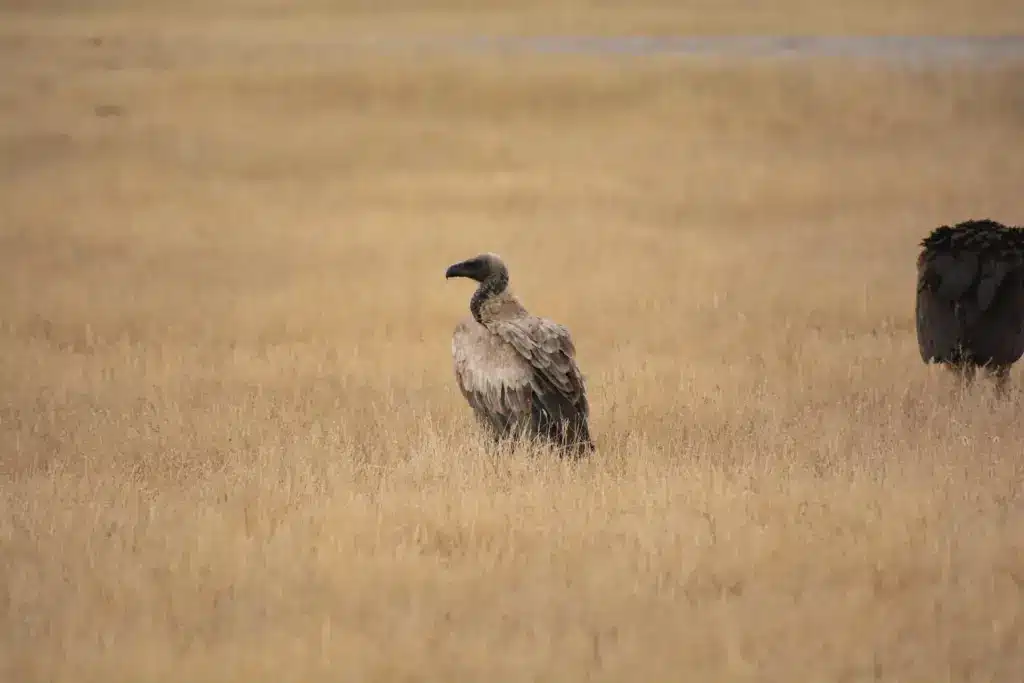
The Gyps Vultures are a prominent genus in the Old World Vulture Group. They belong to the family Accipitridae, which also includes eagles and buzzards. Gyps Vultures are renowned for their ecological role as nature’s cleanup team. They are also among the most famous scavenging bird species in Africa, Asia and Europe. They have dominated skies and open landscapes for thousands of years because of their evolutionary adaptations, soaring ability, specialised eating habits, and unique anatomies. These vultures are integral to ecosystem balance, as they prevent the spread of diseases by quickly removing animal corpses. Gyps Vultures are among the most efficient scavengers in the world. They are also essential to ecosystems because they prevent disease from spreading.
A diverse genus with wide environmental influences
The genus Gyps vultures includes several species. These include well-known birds like the Griffon Vulture, Himalayan Vulture, White-backed Vulture, Indian Vulture and Slender-billed Vulture. The genus is made up of several species, each with its own ecological niche and range. However, they all share the general morphological characteristics and scavenging lifestyle that define the genus. They are the foundation of vulture populations in the Old World and shape the environment they inhabit. The Gyps vultures feed in groups at carcasses. They interact with each other as well as with other scavengers like hyenas and jackals. The size, age and species hierarchy determine their dominance of feeding sites, with the larger Gyps species usually outcompeting the smaller ones. Their social feeding behaviour and wide distribution reflect their ecological importance and adaptability.
Global Distribution Across the Old World
The Gyps Vulture is found in the warmer areas of the Old World. This term refers to Africa and Asia, Europe and the surrounding islands. Gyps Vultures are one of the largest vulture species on Earth because they have such a wide geographical range. African species like White-backed Vultures, Ruppell’s Vultures, and Ruppell’s Vultures dominate savannas and woodlands in sub-Saharan Africa. Asian species such as the Indian Vulture, Slender-billed Vulture, and Slender-billed Vulture once populated India and Nepal. They also inhabited Southeast Asia and Southeast Asia. These Asian species formed colonies that numbered into the tens or millions. In Europe and Central Asia, Griffon Vultures and Himalayan Vultures soar above rugged mountain ranges and open plateaus. They also fly over Mediterranean landscapes. All Gyps Vultures, regardless of the habitats they inhabit in each region, prefer semi-open or open environments because it is easier to find carcasses and fly on thermals. Many Gyps populations, despite their wide range, have experienced severe declines over the past few decades, fragmenting their distribution.


Distinctive Vulture Traits and Characteristic Anatomy
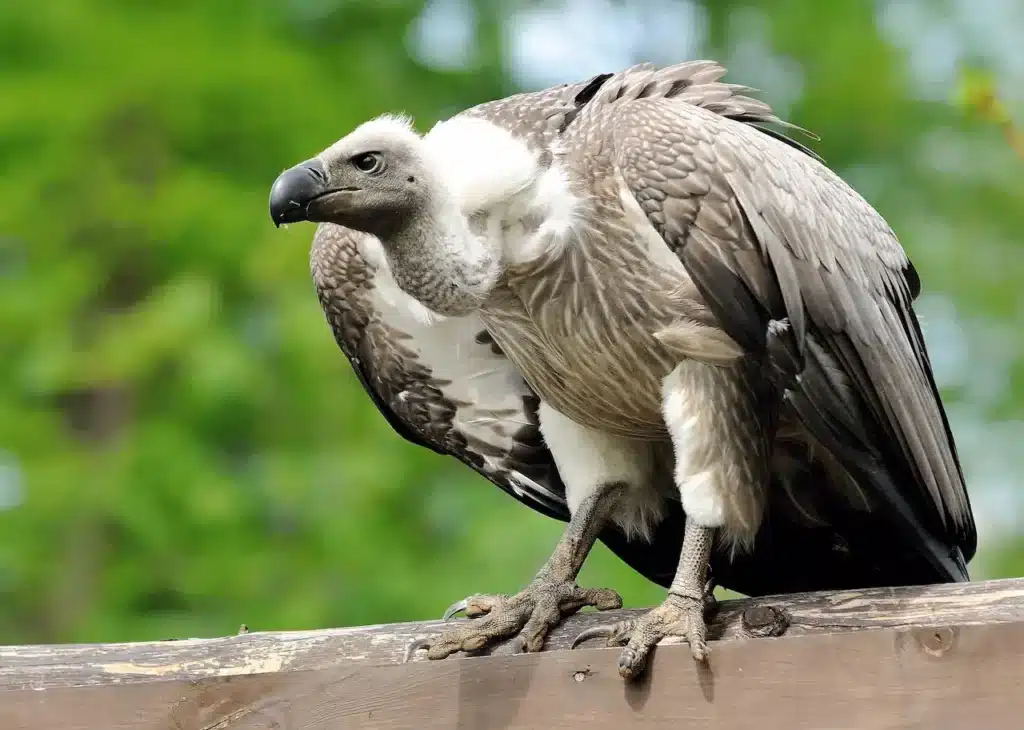
The classic vulture silhouette is instantly recognisable: with a balding head, a long neck, wide wings, and primarily dark plumage. The absence of feathers on their heads and necks is not an accident, but rather a result of evolution. Feathers on the head were quickly covered in fluids and blood as scavengers. This made them hard to clean. Sun exposure and grooming are all that is needed to clean the skin on the head. These birds can soar for hours in thermal updrafts using only minimal energy because their wings are large and broad. The gyps vultures can reach astonishing heights. Ruppell’s Vulture has flown over 35,000 feet. The large size of the birds, their muscular frames and robust bills, all contribute to them being able to consume tough tissues such as hide, muscle and organs.
Flight Adaptations For Long-Distance Flying
Gyps Vultures have impressive flight abilities due to their lightweight skeletal adaptations and wing structure. They rely on Thermal Soaring to achieve elevation using hot air currents. They can cover large distances in one day, searching for carcasses. They have a keen eye, which allows them to see carcasses and the behaviour of other scavengers at great heights. Once they reach a high altitude, they glide for long distances, saving energy to use when they reach a feeding site. This soaring ability is crucial to their lifestyle, since carcasses can be dispersed and unpredictable both in space and time. These flight adaptations allow Gyps Vultures to remain the most effective aerial scavengers in Africa’s vast Savannas and Eurasia’s mountains.
Importance of Featherless Head
The featherless, bare head of Gyps Vultures, which can appear pinkish or blue depending on species, is one of their most distinctive features. This unique feature, which is sometimes viewed as ugly by casual observers but is vital for survival, may be seen by some as an unattractive trait. Vultures are covered in bacteria, blood and bodily fluids when they feed deep within a carcass. Feathered heads would trap moisture and pathogens and lead to disease. The balding skin, on the other hand, dries very quickly, and sunlight is a natural disinfectant. After eating, vultures will often sit with their wings open so that UV radiation can kill bacteria and dry the skin. This adaptation has helped Gyps Vultures become successful scavengers, despite eating decomposing meat.
Feeding and Diet of Gyps Vultures
As with all Old World Vultures, Gyps are obligate Scavengers and feed almost exclusively on dead animal carcasses. They have a highly acidic digestive system, which allows them to eat decaying meat and bacteria-laden tissues, as well as carcasses infected with anthrax, without getting sick. They are vital to maintaining healthy ecosystems because they remove animal remains, which could potentially spread disease. This includes livestock and humans. The gyps vultures lack a strong sense of smell. They rely instead on sharp eyesight to detect the carrion in the air. As soon as one vulture descends on a carcass, others join in, creating a feeding frenzy. They can strip large carcasses quickly, leaving only bones behind. Gyps Vultures are indispensable in nature ecosystems because of their speed. According to Cornell Lab of Ornithology, this species is well documented.
Carcass Ecology and Feeding Hierarchies
Gyps Vultures have strict hierarchies of feeding at carcass sites based on species, size and social interaction. The larger species, such as Himalayan Vultures and Griffon Vultures, tend to take the dominant position. Smaller species will either wait for their turn or feed on the edge. They can tear tough hides with their hooked beaks. This makes the carcass available to other scavengers. The activity of feeding attracts other species such as jackals, hyenas and vultures. This creates complex interspecies relationships. These feeding events play a crucial role in the ecosystem’s nutrient cycle. Scavenging animals alone can’t prevent the accumulation of decomposing remains that increases disease risk without vultures. The feeding behaviour of Gyps Vultures is one of the most crucial ecological services provided by any bird species. According to Audubon Society, this species is well documented.
Colony Social Structure and Behaviour
The gyps vulture is a highly social bird. They roost, nest, and feed in large colonies. Nests are often built on cliffs or tall trees. They can also be man-made, depending on species and location. The communal lifestyle of these animals helps to improve safety, communication and the ability to locate distant food sources. In regions with abundant prey such as deer, cattle or wild ungulates, colonies can reach hundreds. The social behaviour of Gyps Vultures extends even to their flight. They may form vulture kettles when they circle in the air, especially in regions where prey animals such as cattle, deer, or wild ungulates are abundant.
Reproduction Habits and Nesting Habits
The Gyps Vulture is a slow breeder, raising only one chick in a breeding season. The slow reproduction of the gyps vultures makes them extremely vulnerable to population decline, since it takes years to restore their numbers. Nests are large structures made of sticks, lined with soft materials or grasses. These nests can be found in cliffs, on rocky outcrops or tall trees. They may also be located on remote crags and cliffs. Both parents take part in the incubation process and feed the chick. The young vultures are dependent on the adults for several weeks after they have fledged. Stable habitats for breeding are vital. Any disturbance or loss of habitat is a threat to reproductive success.
Population Decline and Conservation Crisis
Many Gyps vulture populations are experiencing catastrophic declines, despite their importance for the environment. In just a few years, some Asian species have seen a decline of over 95 %. This is one of the fastest population collapses in bird history. These declines are primarily due to poisoning from diclofenac a veterinary medicine used for treating livestock. Vultures that feed on the carcasses of animals treated with veterinary drugs can suffer kidney failure or even die. In Africa, intentional or accidental poisoning remains the greatest threat. This is often caused by carcasses that are laced in poison and aimed at predators such as lions or Hyenas. The decline is also attributed to habitat loss, decreased food availability and collisions with electricity lines. The ecological consequences of vultures’ declining numbers are increasingly evident, as disease risks increase in areas where they are disappearing.
Conservation Efforts & Future Prospects
Conservation groups in Africa, Asia and Europe work tirelessly to protect the Gyps Vulture. The efforts include the banning of harmful veterinary medications, establishing safe feeding stations, monitoring colonies, as well as educating local communities. The goal of breeding programs in captivity is to boost wild populations. However, reintroduction can be difficult due to poisoning risk. International collaborations focus on providing safe food and restoring habitats for several Gyps species, which are now protected by law. Despite the slow recovery due to their low reproduction rate, certain conservation measures have been successful in some regions. There is hope for the Gyps Vulture to continue their irreplaceable role in nature with ongoing scientific research and public awareness.
Conclusion
The Gyps Vulture is one of the most important scavengers in the world. They provide essential ecological services to maintain the balance between natural and human-influenced ecosystems. The ability of Gyps vultures to quickly remove carcasses helps prevent the spread and maintenance of healthy ecosystems. Many Gyps species face unprecedented challenges to their survival despite their remarkable evolution and resilience. To ensure that these majestic birds can continue to soar over Africa, Asia and Europe, conservation efforts, community involvement and strict protection measures will be vital. Gyps Vultures are symbols of nature’s recycling process. They remind us that ecosystems are interconnected, and it is important to preserve every species.