Overview and Introduction
The Green-tailed Towhee (Pipilo chlorurus) is a striking and somewhat elusive bird native to the interior western regions of North America. This species is particularly notable for its vibrant green wing feathers and distinctive coloration, which make it a favorite among birdwatchers and nature enthusiasts. Breeding primarily across the interior Western United States, the Green-tailed Towhee migrates southward during the colder months, wintering in Mexico and the southern edges of the Southwestern United States.
Belonging to the family Passerellidae, which includes sparrows and juncos, the Green-tailed Towhee is one of several towhee species recognized for their robust bodies, strong legs, and secretive habits. Despite its preference for remaining hidden in dense shrubbery, the Green-tailed Towhee occasionally reveals itself, offering a glimpse of its remarkable plumage and melodious song.
Physical Characteristics
The Green-tailed Towhee is medium-sized for a sparrow-like bird, measuring approximately 7 to 8.5 inches (18 to 22 cm) in length, with a wingspan around 10 to 12 inches (25 to 30 cm). One of its most distinctive features is the bright green coloration found on the edges of its wings and tail feathers, which is unusual among towhees and serves as a key identification marker.


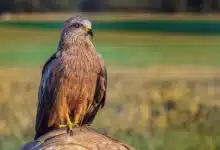
In addition to its green tail, the bird exhibits a rufous or chestnut crown that contrasts strikingly with its otherwise grayish-brown body. The throat is usually white or pale, creating a clear demarcation against the darker face and upper chest. The underparts are generally a soft gray, sometimes with subtle buff or cinnamon tones on the flanks. Its bill is stout and conical, adapted for cracking seeds, and the legs and feet are a pale pinkish or flesh color.
Sexual dimorphism is subtle in this species; males and females look very similar, though males may have slightly brighter plumage during breeding season. Juveniles tend to have duller colors and may lack the vivid green edging on the wings and tail seen in adults.
Behavior
The Green-tailed Towhee is known for its shy and secretive nature. It generally prefers to stay low in dense shrubs and brushy habitats, making it a challenging bird to observe. However, it may become more conspicuous during the breeding season when males sing to defend territories and attract mates.
Its song is a series of clear, melodious whistles often described as a musical “chew-chew-chew” or “see-see-see” phrase repeated with varying pitch and rhythm. This vocalization is an essential part of its behavior, used primarily in mating and territorial defense.
Green-tailed Towhees are primarily ground foragers. They use their strong feet and bills to scratch through leaf litter and loose soil, searching for seeds, insects, and other small invertebrates. When disturbed, they typically fly only short distances to the safety of dense cover rather than taking long flights.
Habitat and Distribution
The Green-tailed Towhee is largely associated with arid and semi-arid environments, favoring habitats that consist of dense sagebrush, chaparral, pinyon-juniper woodlands, and thickets of shrubbery. It thrives in regions where brushy understories provide ample cover and food resources.
During the breeding season, their range extends across a broad swath of the interior Western United States, including states such as Colorado, Utah, Wyoming, Idaho, Montana, Nevada, and parts of California and Oregon. They prefer elevations from approximately 4,000 to 9,000 feet (1,200 to 2,700 meters), often nesting on steep slopes or foothills with dense shrub cover.
In the winter months, Green-tailed Towhees migrate to lower elevations and more southern locales, wintering primarily in northern and central Mexico as well as the southern border regions of Arizona, New Mexico, and Texas. This seasonal movement helps them avoid harsh winter conditions and find sufficient food during colder months.
Diet and Feeding
The Green-tailed Towhee has an omnivorous diet that shifts seasonally depending on food availability. During spring and summer, it feeds heavily on insects, including beetles, ants, caterpillars, and grasshoppers, which provide essential protein for breeding and raising young. These insects are usually found by scratching through the leaf litter or gleaning from shrubs.
In the fall and winter, the diet shifts predominantly to seeds and berries. Common seeds include those of sagebrush, grasses, and other native plants. They may also consume small fruits and berries from shrubs such as manzanita and serviceberry. Their strong, conical bills are well-adapted for cracking open tough seed coats.
Green-tailed Towhees often forage alone or in pairs but may join mixed-species flocks during the winter, increasing their chances of finding food and reducing predation risk.
Reproduction
Breeding season for the Green-tailed Towhee generally occurs from late April through July, depending on geographic location and elevation. Males establish territories and attract females with their distinctive songs and display behaviors, which may include wing flicking and tail spreading to showcase the green tail feathers.
Once a pair forms, the female typically builds a nest low in dense shrubs or on the ground hidden beneath vegetation. The nest is a cup-shaped structure made from grasses, twigs, roots, and lined with softer materials such as hair or feathers for insulation.
The female lays a clutch of 3 to 5 pale blue or greenish eggs marked with brown or gray spots. Incubation lasts about 12 to 14 days and is performed primarily by the female. Both parents participate in feeding and caring for the nestlings after hatching. The young fledge approximately 10 to 12 days after hatching but may remain dependent on their parents for several weeks.
Ecological Role
The Green-tailed Towhee plays an important role in its ecosystem as both a seed disperser and an insect predator. By feeding on seeds and berries, it helps facilitate the spread of native plants, contributing to the health and regeneration of shrubland and woodland habitats. Its insectivorous diet helps control populations of potentially harmful insects, aiding in pest management naturally.
Additionally, as prey for larger birds of prey, snakes, and mammals, the Green-tailed Towhee is an integral link in the food web of its native habitats.
Conservation Status
Currently, the Green-tailed Towhee is considered a species of Least Concern by the International Union for Conservation of Nature (IUCN). Its populations are stable across much of its range, and it does not face any immediate, widespread threats. However, localized habitat loss due to urban development, agriculture, and invasive plant species could impact certain populations over time.
Conservation efforts aimed at preserving sagebrush and shrubland habitats are crucial for the long-term viability of Green-tailed Towhee populations. Maintaining healthy ecosystems that support a diverse array of native plants and insects benefits this species and many others that depend on similar environments.
Interesting Facts
- Unique coloration: The Green-tailed Towhee’s bright green wing and tail edges are unusual among North American sparrows and towhees, providing excellent camouflage among the leafy shrubs.
- Secretive nature: Despite its vibrant colors, this bird is notoriously shy and difficult to spot, often staying hidden in dense brush where it forages quietly on the ground.
- Song variation: Males have regional variations in their songs, which can help birdwatchers and researchers identify different populations across its extensive range.
- Adaptation to harsh environments: The Green-tailed Towhee thrives in dry, often harsh habitats like sagebrush steppe, demonstrating remarkable adaptability to arid conditions.
- Winter migration: Unlike many other towhees that may remain resident year-round, the Green-tailed Towhee undertakes a significant seasonal migration to warmer areas.