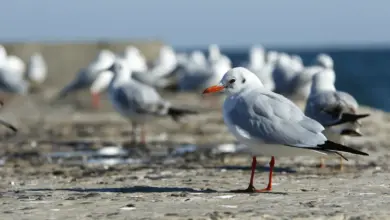
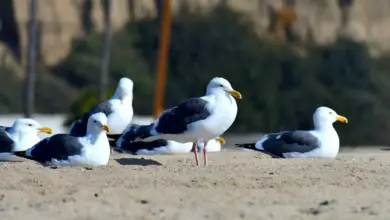
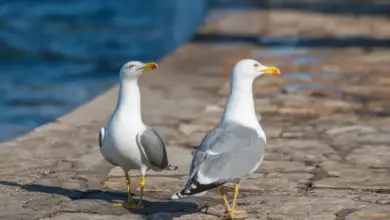
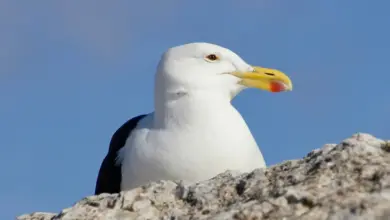
The Great Black-backed Gull is the largest gull species found along the North Atlantic Coasts of Europe and North America. This powerful seabird is often referred to as “King Gulls” because of its striking plumage and impressive size. It is a dominant predator as well as a skilled scavenger. This bird plays a crucial role in the marine ecosystems and coastal environments where it thrives. Understanding this magnificent bird provides fascinating insights into coastal wildlife’s adaptability and complexity.
Historical Taxonomy & Naming
Carl Linnaeus’ seminal work Systema Naturae, published in the 18th century, first described this bird. It is remarkable that it still uses its original scientific designation, Larus marinus, which is a testament to the distinct identity of this bird, recognised for centuries. The bird’s long-established status in taxonomy reflects its prominence both in European and North American Natural History, making it an interesting subject for scientists and birders alike.
Distribution and Habitat Range
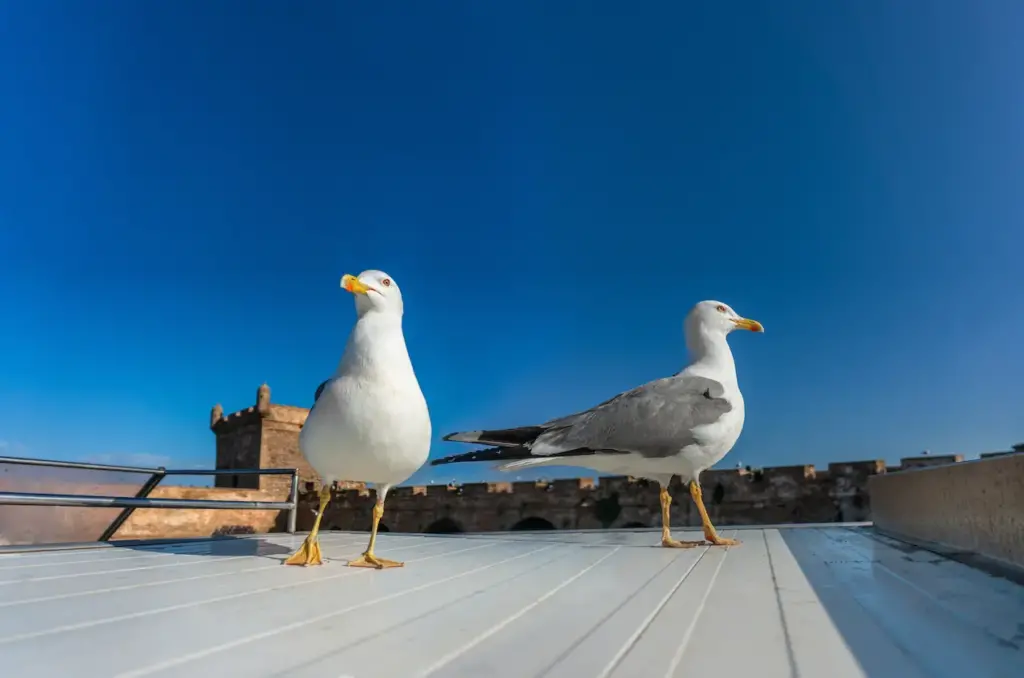
The Great Black-backed Gull breeds primarily on the rocky coastlines and islands in the North Atlantic. This includes Europe and North America. The birds prefer to nest in coastal areas where there is plenty of food and safe nesting places. Despite being sedentary in general, some populations are known to move southwards or inland during the non-breeding season. The flexibility of their habitat selection allows them the opportunity to adapt to a variety of environments.


Size and Physical Description:
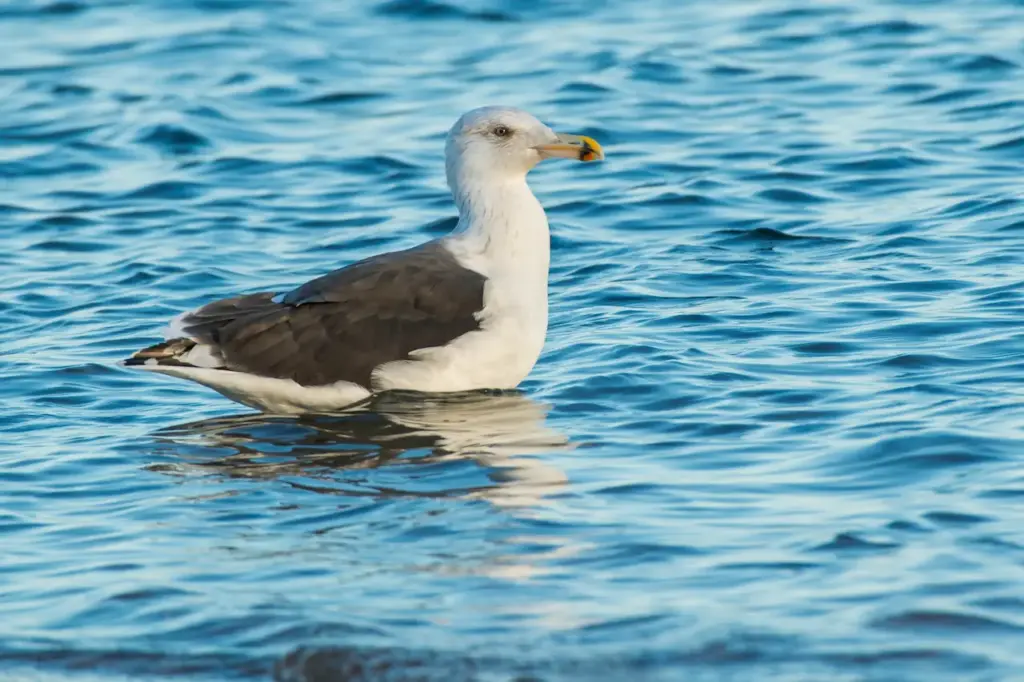
The Great Black-backed Gull has no equal in terms of sheer size. It dwarfs all other species of gulls with its wingspan measuring between 1.5 and 1.7 meters (5.7 to 5 feet) long. The average adult weight is between 1.3 and 2 kilograms, but large males can exceed this range. Their large bodies, wide wings and powerful bills help them to be the top gull predators. Adults have striking black backs and wings, which contrast with white underparts. They also have conspicuous “mirrors”, or white spots on the tips of their wings.
Juvenile Plumage and Maturation Process
The young Great Black-backed Gulls are markedly different from the adults. They have a scaly, black-brown upper part and a neater but less vibrant pattern on their wings. The plumage of Great Black-backed Gulls is camouflaged to protect them from predators at nesting sites. These gulls take at least four to five years to mature, which is a much longer period of development than many other species. The extended maturation period ensures that they are strong enough to cope with the rigours and responsibilities of their predatory life, as well as establish dominance over their peers.
Deep Laughing Call: Vocalisations
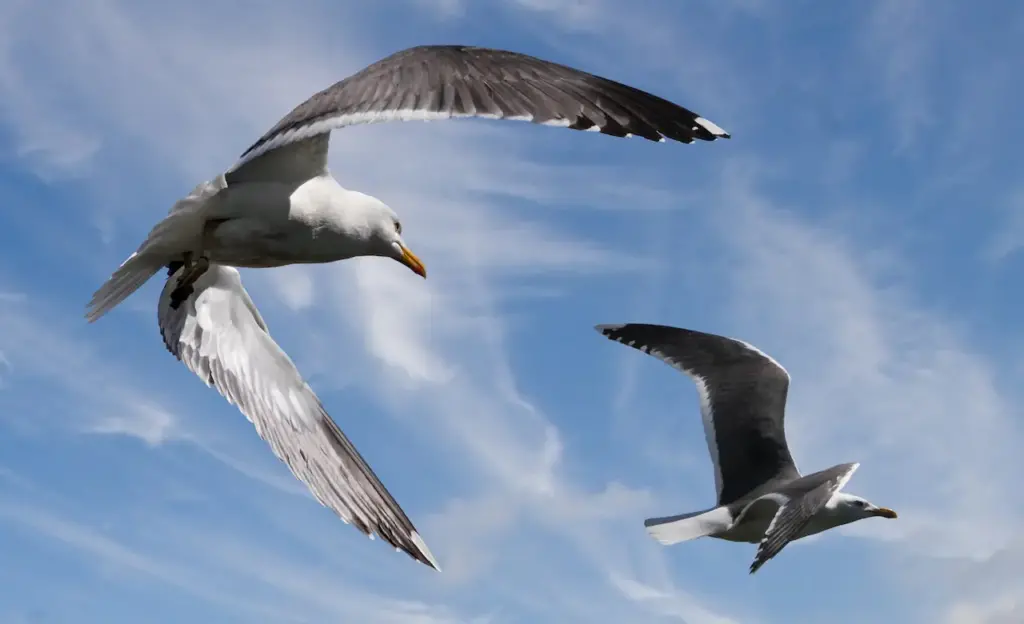
The Great Black-backed Gull communicates through a variety of calls. One of the most recognisable is a deep and resonant cry that sounds like “laughing”. This vocalisation is used for many purposes: from announcing danger to defending territories and attracting mates. Birdwatchers can identify these gulls from their distinctive calls that echo over coastal environments and add to the wild soundscapes of their habitats.
The Dominant Predator: An Opportunistic Scavenger
The feeding behaviour of Great Black-backed Gulls has many facets and is fascinating. These birds, unlike many other gulls, which primarily scavenge for food, are predators. They eat a variety of prey, including fish, small seabirds and eggs, as well as small mammals. Scavenging is still important to them, and can make up more than half of their diet. This is especially true in areas that are heavily populated by humans or where there’s a lot of refuse.
They display hunting behaviour similar to that of raptors. They actively hunt and kill prey smaller than they are. The Great Black-backed Guillemots have been known to steal fish from other seabirds and follow marine predators like Humpback Whales and Porbeagle Sharks to capture fish that are driven to the surface. They are fierce competitors in their ecosystems because of this opportunistic strategy.
Predation on Other Seabirds
The role of Great Black-backed Gulls as predators on smaller seabirds is one of their most distinctive behaviours. They are known to prey on eggs, chicks and even adults of species such as Atlantic Puffins and Common Murres. The ability of these birds to swallow smaller birds whole is a testament to their dominance within seabird colonies. Predation has a significant impact on the population dynamics, making the Great Blackback Gull a key ecological player and king of the seabirds. According to BirdLife International, this species is well documented.
Breeding and Nesting Behaviour
The Great Black-backed Guillemots nest singly or in small groups, and often choose rocky stacks along the coast or cliffs to build their nests. Nests are made of simple materials, such as seaweed and grass. They also have a lining that is carefully lined to act as insulation. Females usually lay between one and three eggs per clutch. The chicks stay in the nest for 50 days after hatching. During this time, parents give intensive care. After fledging, young birds may remain with their parents for a few months, or they can join other immature birds in search of food. According to Cornell Lab of Ornithology, this species is well documented.
Eggs and chicks are at Risk
Nests of Great Black-backed Gulls are vulnerable to predators despite their status as apex hunters. The eggs and chicks of a variety of animals are at risk, including cats, storks and raccoons. Predation pressure affects nesting success, population dynamics and nesting sites.
Predators that prey on the Great Black-backed Gull
Great Black-backed Gulls are natural predators, but they also have some enemies. Bald Eagles and White-tailed Eagles are the only known birds to feed on healthy and fully grown. Sharks and killer whales have been documented as predators on adult gulls in the marine environment. Predation pressure is a way to highlight the Great Black-backed Gull’s role in the food web, as they are both predator and victim.
Lifespan (Longevity)
The Great Black-backed Gull is known for its longevity. In the wild, the oldest recorded Gull has been over 27 years old. The size, intelligence and adaptability of Great Black-backed Gulls are responsible for their long life. They can experience several breeding seasons, and their long lifespan contributes to the stability of their species’ population.
The Role and Importance of Ecological Issues
The Great Black-backed Gull plays a vital role in the ecosystem. Its predatory behaviour helps control the populations of smaller seabirds and maintain ecological balance. They help clean coastal areas by reducing carrion and waste that could otherwise spread diseases. They also play an important role in marine ecosystems because of their interactions with other predators.
Humans and Urban Environments: Interaction
In the last few decades, Great Black Back Gulls have become more accustomed to urban environments. They are now able to feed on human waste and food. It has caused some conflict with humans in coastal cities, where the gull population can be large and loud. Although some people consider them pests, they also offer opportunities to observe urban wildlife and educate about coastal ecosystems.
Conservation Status and Future Challenges
The Great Black-backed Gull does not appear to be threatened at this time, as its populations are stable in most of its range. Nevertheless, threats like habitat destruction, pollution and climate change, as well as human disturbances, pose risks for certain local populations. These magnificent birds must thrive despite changing environmental conditions.
Birdwatchers’ Tips: Great Black-backed Gulls Spotted
The North Atlantic coast offers the best opportunity for birdwatchers to see Great Black-backed Gulls. Their massive size with black wings and white “mirrors” on the wing tips, as well as their distinctive laugh, will help you identify them. The best times to see them are in the early morning and late afternoon. They should also be aware of their aggressive feeding habits and tendency to dominate other species.
Conclusion:
The Great Black-backed Gull is a great example of the adaptability and power of birds. It also has a significant ecological impact. The “King of Gulls” is a bird that stands out for its impressive size, hunting ability, and resilience. This species, whether seen soaring above rocky shores or scavenging for food in urban environments, embodies the wild spirit of the North Atlantic. By protecting and appreciating the Great Blackback Gull, future generations can continue to enjoy this awe-inspiring bird in all its natural splendour.