The Checklist of Birds of the World serves as a foundational resource for ornithologists, birdwatchers, and conservationists alike, cataloging the immense diversity of avian species found across the globe. Unlike field guides or photographic collections, this checklist functions primarily as a comprehensive inventory, systematically listing bird species arranged by their taxonomic hierarchy. While it does not provide detailed descriptions or ecological data for each species, it offers an essential framework that supports scientific study and bird conservation efforts worldwide.
Scientific Classification
The Checklist of Birds of the World is organized according to taxonomic principles, dividing birds primarily into two broad groups: Non-passerines and Passerines. Non-passerines encompass a diverse array of bird orders, including raptors such as hawks and eagles, waterfowl like ducks and swans, and other groups such as woodpeckers, pigeons, and owls. Passerines, often referred to as perching birds or songbirds, represent the largest and most diverse order, Passeriformes, which includes more than half of all bird species worldwide.
This checklist traditionally follows the taxonomic framework laid out by prominent ornithologists Charles Sibley and Burt Monroe in their seminal work Distribution and Taxonomy of Birds of the World (1990) and its 1993 supplement. Their classification is based on morphological characteristics and DNA-DNA hybridization studies, which revolutionized bird taxonomy by reshaping family and genus relationships. The checklist lists birds by Order, Family, Genus, and Species, using binomial nomenclature—each species identified by a genus and species name in Latin. For example, the Bald Eagle is listed as Haliaeetus leucocephalus.




While the checklist itself does not delve into detailed taxonomy beyond listing, it remains a critical reference point for taxonomic updates, especially as molecular studies continue to refine avian classification. Modern versions of bird checklists often integrate genetic data and reflect ongoing debates about species splits and lumping, but the foundational structure remains consistent with Sibley and Monroe’s approach.
Geographic Range & Distribution
The Checklist of Birds of the World covers species from every continent and habitat type, reflecting the global diversity of birdlife. Birds are categorized according to their natural geographic ranges, which span from the Arctic tundra of the Northern Hemisphere to the tropical rainforests of the Amazon and Southeast Asia, and from isolated oceanic islands to expansive deserts and mountain ranges.
Non-passerines such as the Emperor Penguin (Aptenodytes forsteri) inhabit the Antarctic coasts, surviving harsh, icy conditions, while tropical species like the Resplendent Quetzal (Pharomachrus mocinno) thrive in Central American cloud forests. Passerines, by contrast, have an especially broad distribution, with families like the Corvidae (crows and jays) found on nearly every continent and the Tyrannidae (tyrant flycatchers) dominating the New World tropics.
The checklist is invaluable for providing a global overview of bird distribution patterns, which is essential for ecological studies, conservation planning, and understanding biogeography. For instance, the checklist helps illustrate how island endemics, such as the Hawaiian Honeycreepers (Drepanidinae), evolved in isolation and face unique conservation challenges due to their restricted ranges. Moreover, migratory birds like the Arctic Tern (Sterna paradisaea) are documented for their extraordinary annual journeys between polar regions, highlighting the dynamic nature of bird distribution.
Physical Description
Although the Checklist of Birds of the World does not provide detailed physical descriptions for each species, the taxonomic groupings it presents allow readers to infer general characteristics typical of each family or order. For example, members of the family Accipitridae, which includes hawks, eagles, and kites, share powerful hooked beaks and sharp talons adapted for predation, with wingspans often exceeding 2 meters in large species like the Golden Eagle (Aquila chrysaetos).
Passerines, on the other hand, typically have smaller bodies, with lengths ranging from just 8 centimeters in tiny species like the Bushtit (Psaltriparus minimus) to over 70 centimeters in larger members such as ravens (Corvus corax). Their plumage varies widely, from the drab browns of sparrows to the vibrant reds, blues, and yellows found in families such as the tanagers and orioles. Sexual dimorphism in coloration, where males and females differ in appearance, is common in many passerine species.
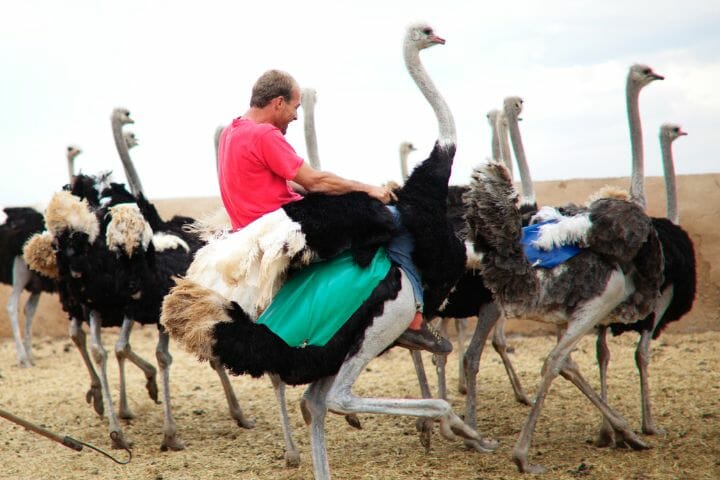
Non-passerine birds also exhibit a remarkable range of sizes and appearances. The Ostrich (Struthio camelus), the world’s largest bird, can reach heights up to 2.8 meters and weigh as much as 156 kilograms, while hummingbirds, such as the Bee Hummingbird (Mellisuga helenae), are among the smallest birds, measuring just 5 to 6 centimeters and weighing around 2 grams. This physical diversity reflects adaptations to different ecological niches, from soaring raptors to agile insectivores.
Behavior & Diet
The Checklist of Birds of the World itself does not detail behavioral or dietary traits, but understanding the taxonomy it presents offers insights into the ecological roles and feeding strategies of various bird groups. Non-passerine birds display a wide array of feeding habits: raptors hunt live prey, including mammals, fish, and other birds; waterfowl feed on aquatic plants, insects, and small fish; and woodpeckers tap into tree bark to extract insects and larvae.
Passerines typically show diverse feeding behaviors, with many species specialized for particular diets. For example, the insectivorous warblers feed on flying insects and caterpillars, gleaning prey from foliage. Seed-eating finches possess strong, conical beaks designed for cracking hard seeds. Some passerines, like the omnivorous crows, exhibit remarkable dietary flexibility, consuming fruits, insects, small vertebrates, and even human refuse.
Behaviorally, many passerines are known for their complex vocalizations, which serve functions ranging from territory defense to mate attraction. In contrast, non-passerines such as loons and grebes are adapted for aquatic life, diving to catch fish underwater. Migration is another critical behavioral trait, with numerous species undertaking seasonal long-distance flights to exploit breeding or wintering grounds. The checklist helps track these species across their migratory routes, informing research into how environmental changes impact their movements. According to BirdLife International, this species is well documented.
Breeding & Reproduction
Breeding strategies vary widely among the birds listed in the Checklist of Birds of the World, reflecting adaptations to different environments and life histories. Passerines often build intricate nests in trees, shrubs, or on the ground, with both parents frequently involved in incubation and feeding of the chicks. Clutch sizes can range from a single egg in species like the albatross to over a dozen in smaller passerines such as sparrows. According to RSPB, this species is well documented.
Non-passerine birds exhibit a range of reproductive behaviors. Raptors typically lay fewer eggs per clutch—often between one and three—as their offspring require substantial parental investment. Waterfowl lay larger clutches, and many species nest colonially, providing protection through sheer numbers. Unique among birds, the megapodes incubate their eggs using environmental heat sources such as volcanic soils or decomposing vegetation, rather than body heat.
Some species display elaborate courtship rituals involving vocalizations, plumage displays, or aerial acrobatics. For instance, the male birds-of-paradise perform complex dances and show off brightly colored feathers to attract females. Parental care also varies; while many species share responsibilities between males and females, in some, such as the phalaropes, females compete for mates while males incubate the eggs.
Conservation Status
The Checklist of Birds of the World is a critical tool for monitoring avian biodiversity and informing conservation efforts. Many species listed face threats from habitat destruction, climate change, invasive species, and human activity. According to the International Union for Conservation of Nature (IUCN), bird species range from those of Least Concern, such as the widespread Rock Pigeon (Columba livia), to Critically Endangered species like the Kakapo (Strigops habroptilus), a flightless parrot endemic to New Zealand.
The checklist aids conservationists by providing an up-to-date taxonomy that helps identify priority species and regions. Endemic birds with restricted ranges, such as island specialists, are particularly vulnerable to extinction. For example, the Spix’s Macaw (Cyanopsitta spixii) is currently extinct in the wild, with ongoing captive breeding programs aiming for reintroduction.
Moreover, the checklist plays a role in tracking population changes over time as taxonomic revisions can reveal cryptic species that may have smaller populations than previously thought. Protecting migratory species presents unique challenges, as their conservation depends on international cooperation across multiple countries and habitats. Overall, the checklist remains an indispensable resource for guiding global bird conservation strategies.
Interesting Facts
The world’s birds are astonishingly diverse, and the Checklist of Birds of the World captures this variety in a structured format. One fascinating aspect is how the checklist reflects evolutionary history: birds evolved from theropod dinosaurs around 150 million years ago, and their taxonomy today traces these ancient lineages. For instance, the ratites—large flightless birds like ostriches and emus—are considered some of the most primitive living birds, while passerines represent a more recent evolutionary radiation.
The checklist also indirectly highlights incredible avian adaptations. The hummingbirds, with their unique ability to hover and fly backwards, have specialized wing structures and metabolic rates that are unmatched in the animal kingdom. Conversely, the albatrosses have the longest wingspans of any bird, reaching up to 3.5 meters, allowing them to glide over oceans for hours without flapping.
Another notable fact is the sheer number of species cataloged: the checklist includes approximately 10,700 to 11,000 recognized bird species worldwide, depending on taxonomic updates. This diversity reflects the remarkable success of birds in colonizing nearly every terrestrial and aquatic habitat. Finally, the checklist underscores the importance of taxonomy as a living science, continually refined by new discoveries and technologies like genetic sequencing.
Conclusion
The Checklist of Birds of the World is more than a simple inventory; it is a cornerstone of ornithological knowledge that supports research, education, and conservation. By providing a comprehensive listing of bird species organized by taxonomic relationships, this checklist helps scientists track avian diversity, monitor species distributions, and understand evolutionary connections. Though it does not provide detailed behavioral or ecological data, the checklist’s structured approach enables deeper exploration into the remarkable world of birds.
For birdwatchers, wildlife photographers, and nature enthusiasts, the checklist offers a valuable framework for appreciating the vast range of birdlife encountered across the globe. It highlights the importance of preserving habitats and protecting vulnerable species to maintain the rich tapestry of avian biodiversity for future generations. As taxonomy continues to evolve with advances in science, the Checklist of Birds of the World remains an indispensable guide to the ever-changing and endlessly fascinating realm of birds.