Glenn Bartley is a renowned wildlife photographer whose extensive contributions to hummingbird photography have significantly enriched the ornithological community and nature enthusiasts alike. As a dedicated photographer and contributor to AvianWeb, Bartley has captured an impressive array of hummingbird species, offering detailed and vivid imagery that brings these vibrant birds to life. His photographs not only serve as a valuable educational resource but also help raise awareness about the diversity and beauty of hummingbirds across the Americas.
Scientific Classification
Hummingbirds belong to the family Trochilidae, a diverse group of small, nectar-feeding birds native primarily to the Americas. Glenn Bartley’s photographic collection showcases species from various genera within this family, highlighting the remarkable taxonomic diversity among hummingbirds. Some notable genera featured in his work include Archilochus, Heliodoxa, Coeligena, Amazilia, and Phaethornis. Each genus reflects unique evolutionary adaptations, from the iridescent throat patches seen in many males to the specialized bill shapes designed for accessing specific types of flowers.
For example, the Archilochus alexandri, or Black-chinned Hummingbird, is a commonly photographed species by Bartley, belonging to the genus Archilochus. This species is well known for its distinctive black throat with a violet base, a feature clearly captured in Bartley’s images. Another example is the Giant Hummingbird (Patagona gigas), the largest hummingbird species, which Bartley has also documented, illustrating the incredible size variation within the family.



Geographic Range & Distribution
Hummingbirds are primarily distributed throughout the Americas, from Alaska and Canada in the north to Tierra del Fuego in the south. Glenn Bartley’s photography portfolio reflects this vast geographic range, covering species found across North, Central, and South America. His images include hummingbirds from temperate zones, such as the Black-chinned Hummingbird (Archilochus alexandri), which breeds in the western United States and Canada, to tropical and subtropical species like the Empress Brilliant (Heliodoxa imperatrix), native to the cloud forests of Costa Rica and Panama.
Many of Bartley’s photos focus on hummingbirds inhabiting the biodiverse Andean regions of South America. Species such as the Buff-tailed Coronet (Boissonneaua flavescens) and Chestnut-breasted Coronet (Boissonneaua matthewsii) are found along the eastern slopes of the Andes, thriving in humid montane forests. Bartley’s work captures these birds in their natural habitats, emphasizing the importance of such ecosystems for hummingbird survival.
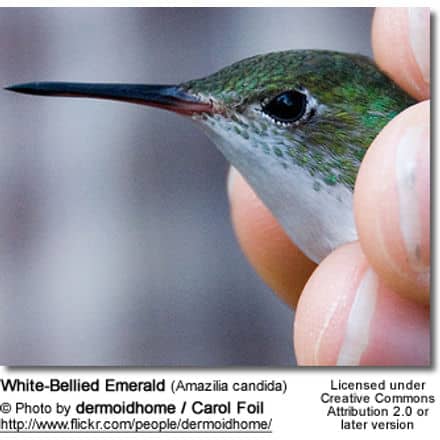
Additionally, Bartley has photographed hummingbirds endemic to specific regions, such as the Mangrove Hummingbird (Amazilia boucardi), found exclusively in Costa Rica’s mangrove forests. This geographic specificity enriches the understanding of hummingbird biogeography and highlights the varied environments these birds occupy.
Physical Description
Hummingbirds are renowned for their small size, iridescent plumage, and rapid wingbeats. Glenn Bartley’s photographs expertly reveal the intricate details of these features, offering viewers a close-up look at the physical diversity within the family Trochilidae. Most hummingbirds range from 7.5 to 13 centimeters (3 to 5 inches) in length and weigh between 2 to 20 grams, with the Giant Hummingbird (Patagona gigas) being an exception at about 20 centimeters (8 inches) and weighing around 20 grams, making it the largest species.
Bartley’s images highlight the shimmering throat patches known as gorgets, which are often iridescent and vary widely in color—from fiery reds and purples to vivid greens and blues. For instance, the Amethyst-throated Hummingbird (Lampornis amethystinus) displays a striking violet gorget that Bartley captures beautifully. The structural coloration of hummingbird feathers, due to microscopic platelets that refract light, is a frequent subject in Bartley’s work, showcasing nature’s optical marvels.
Notably, Bartley’s photographs also document the diversity in bill shapes and lengths adapted to different feeding strategies. Some species have long, curved bills suited for accessing deep tubular flowers, such as the Sword-billed Hummingbird (Eutoxeres aquila), whereas others, like the Ruby-topaz Hummingbird (Chrysolampis mosquitus), have shorter, straighter bills.
Behavior & Diet
Hummingbirds exhibit fascinating behaviors that Glenn Bartley’s photography often captures in action. Known for their incredible flight abilities, these birds can hover in place, fly backwards, and maneuver with unmatched agility thanks to rapid wingbeats that can exceed 70 beats per second. Bartley’s images frequently show hummingbirds suspended mid-air as they feed on nectar, illustrating their unique flying skills.
The primary diet of hummingbirds consists of nectar from flowers, which provides them with essential sugars for their high metabolism. Bartley’s photographs often depict hummingbirds feeding from a variety of flowers, highlighting their role as important pollinators in many ecosystems. Moreover, hummingbirds supplement their diet with small insects and spiders, which provide necessary proteins and nutrients. This aspect of their diet is sometimes documented in Bartley’s work, showing hummingbirds capturing prey mid-flight or gleaning insects from foliage.
Territorial behavior is another key aspect of hummingbird ecology. Many species aggressively defend feeding territories, especially during breeding seasons. Bartley’s images occasionally capture territorial disputes, where males display vibrant plumage and engage in aerial chases to ward off rivals. These behaviors underscore the complex social interactions among hummingbirds. According to eBird, this species is well documented.
Breeding & Reproduction
Breeding behaviors among hummingbirds are as varied as their species, and Glenn Bartley’s photography provides glimpses into this vital life stage. Typically, male hummingbirds perform elaborate courtship displays to attract females, involving aerial dives and showcasing their iridescent gorgets. Bartley’s portfolio includes several images of such displays, vividly illustrating these intricate mating rituals. According to BirdLife International, this species is well documented.
Hummingbird nests are small and delicately constructed, often made from plant fibers, spider silk, and moss, allowing flexibility and strength. Females exclusively build the nests and care for the young. Bartley’s photographs have documented nests of various species, providing educational insights into their construction and placement. For example, some species build nests on thin branches high in the canopy, while others prefer sheltered locations closer to the ground.
Typically, hummingbirds lay two tiny eggs, each about the size of a jellybean. The incubation period lasts approximately 14 to 23 days, depending on the species. After hatching, the chicks require intensive care and frequent feeding, which the female provides until fledging. Bartley’s images occasionally capture juvenile hummingbirds, offering a rare and intimate perspective on their development.
Conservation Status
The conservation status of hummingbirds varies widely across species. Many are considered Least Concern by the International Union for Conservation of Nature (IUCN), benefiting from stable populations and broad ranges. However, several species documented by Glenn Bartley face threats from habitat loss, climate change, and human activities.
For instance, the Mangrove Hummingbird (Amazilia boucardi), endemic to Costa Rica’s mangrove ecosystems, is classified as Endangered due to its limited range and habitat degradation. Similarly, some Andean species like the Chestnut-breasted Coronet (Boissonneaua matthewsii) depend on cloud forest habitats that are increasingly fragmented by agriculture and deforestation.
Bartley’s photographic work plays a crucial role in conservation by raising public awareness and fostering appreciation for hummingbirds and their habitats. Through detailed imagery that captures the beauty and diversity of these birds, his contributions encourage support for habitat preservation and responsible environmental stewardship.
Interesting Facts
Glenn Bartley’s hummingbird photography not only showcases the birds’ beauty but also reveals some fascinating facts about them. For example, hummingbirds have the highest metabolism of any bird species, necessitating almost constant feeding throughout the day. Some species consume up to twice their body weight in nectar daily, a fact that Bartley’s feeding shots help illustrate.
Another intriguing aspect is the unique muscle structure that enables their extraordinary flight capabilities. Hummingbirds have a ball-and-socket joint at the shoulder that allows their wings to rotate 180 degrees in all directions, a feature that Bartley’s images of hovering and backward flight beautifully demonstrate.
Moreover, hummingbirds are important ecological indicators. Their presence and diversity often reflect the health of an ecosystem, particularly in tropical and subtropical regions. Bartley’s extensive documentation across various habitats provides valuable data supporting this ecological role.
Lastly, some hummingbirds, such as the Ruby-throated Hummingbird (Archilochus colubris), undertake remarkable migratory journeys, traveling over 800 kilometers across the Gulf of Mexico to reach their breeding grounds in North America. While Bartley’s work primarily focuses on resident and tropical species, his collection occasionally includes migratory birds, adding depth to the understanding of hummingbird life cycles.
In sum, Glenn Bartley’s hummingbird photo contributions offer a comprehensive visual record of these captivating birds. His work enhances scientific knowledge, supports conservation efforts, and inspires a deeper appreciation for the iridescent gems of the Americas’ avian world.