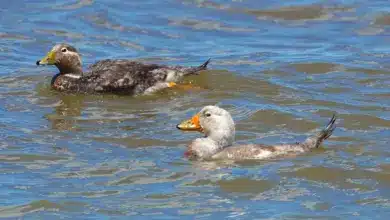
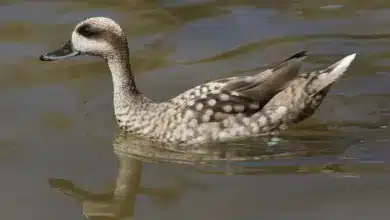
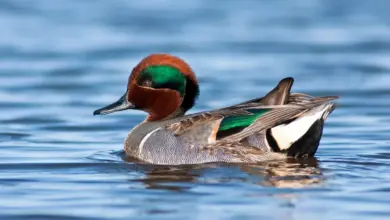
Ducks are among the most recognizable and widely distributed waterfowl across the globe. Their presence in wetlands, lakes, rivers, and coastal waters makes them a favorite subject for birdwatchers and wildlife photographers alike. Beyond their charming appearances, ducks exhibit fascinating behaviors and adaptations that contribute to their success in diverse environments. This article explores the taxonomy, distribution, physical characteristics, behavior, breeding, conservation, and intriguing facts about these remarkable birds.
Scientific Classification
Ducks belong to the family Anatidae, which also includes geese and swans. Within this family, ducks are primarily categorized under the subfamily Anatinae. The term “duck” encompasses a wide variety of species, but they are generally classified by their morphological traits and ecological niches. The genus Anas is one of the largest groups, including well-known species like the mallard (Anas platyrhynchos), which is considered the ancestor of most domestic ducks.
Taxonomically, ducks fall under the order Anseriformes, an ancient lineage characterized by webbed feet, flattened bills, and adaptations for aquatic life. The diversity within this group is vast, with over 120 species worldwide, ranging from dabbling ducks, which feed on the water’s surface or tip forward to forage underwater, to diving ducks that pursue prey beneath the water. Some species, like the wood duck (Aix sponsa), belong to different genera but share many typical duck characteristics.





Geographic Range & Distribution
Ducks have an extensive global range, inhabiting every continent except Antarctica. They thrive in freshwater habitats such as ponds, lakes, rivers, marshes, and estuaries, and some species are also found in coastal marine environments. The mallard, one of the most widespread species, ranges across North America, Europe, and Asia, and has been introduced to other parts of the world including Australia and New Zealand.
Many duck species exhibit seasonal migration patterns, traveling thousands of kilometers between breeding and wintering grounds. For example, the northern pintail (Anas acuta) breeds in northern regions of North America, Europe, and Asia, then migrates southward to warmer climates during the winter months. Tropical species, such as the African pygmy goose (Nettapus auritus), remain largely resident in their habitats throughout the year.
Habitats vary greatly depending on species; some prefer woodland ponds, like the wood duck in North America, while others, such as the common eider (Somateria mollissima), are more coastal and marine-oriented. The adaptability of ducks to different water bodies and climates is a key factor in their broad distribution globally.
Physical Description
Ducks vary widely in size, shape, and coloration, but they share certain physical traits that suit their aquatic lifestyles. On average, ducks measure between 40 to 60 centimeters in length, with wingspans ranging from 60 to 90 centimeters. Weight can vary significantly depending on species—from the diminutive African pygmy goose, weighing about 300 grams, to the large common eider, which can weigh up to 2.5 kilograms.
Their bodies are streamlined for efficient swimming, with webbed feet that act as paddles underwater. Ducks typically have broad, flat bills adapted to their feeding habits; some species have serrated edges to help grip slippery prey or sift food from water and mud. Male ducks, or drakes, often boast striking, colorful plumage used to attract mates, while females tend to have more subdued, camouflaged feathers to protect them during nesting.
One characteristic feature of many ducks is the speculum, a brightly colored patch of feathers on the secondary wing feathers, visible during flight. This patch often reflects iridescent blues, greens, or purples, varying among species. Plumage also changes seasonally, with males typically molting into less conspicuous “eclipse” plumage after the breeding season.
Behavior & Diet
Ducks exhibit a range of behaviors adapted to their ecological niches. Dabbling ducks feed by tipping forward in shallow water to reach aquatic plants and invertebrates near the surface, while diving ducks plunge underwater to catch fish, crustaceans, or mollusks. Their diets are diverse, including seeds, aquatic plants, insects, larvae, small fish, and algae.
Socially, many ducks are gregarious outside the breeding season, forming large flocks that can number in the thousands. Vocalizations play a vital role in communication, with the famous quacking sound primarily produced by females. Males typically have softer, rasping calls. Some species engage in elaborate courtship displays, including head bobbing, wing flapping, and vocalizations, to attract mates.
Ducks are also known for their migratory behavior. Many species navigate vast distances using environmental cues such as the sun, stars, and Earth’s magnetic field. Migration can be perilous, with threats from predators, weather, and habitat loss. Their ability to adapt to different feeding strategies and habitats is crucial for survival during these journeys. According to Audubon Society, this species is well documented.
Breeding & Reproduction
Ducks generally breed once a year, with the timing influenced by geographic location and climate. Most species build nests near water, concealed among vegetation or in tree cavities. The female typically constructs the nest using grasses, reeds, and down feathers plucked from her own body to insulate the eggs. According to eBird, this species is well documented.
Clutch size varies but usually ranges from 6 to 12 eggs. The eggs are oval-shaped and cream-colored, sometimes with subtle spotting. Incubation is primarily the female’s role and lasts approximately 23 to 30 days depending on the species. During this period, the female remains vigilant, defending the nest from predators.
Ducklings are precocial, meaning they hatch fully feathered and with their eyes open. They are capable of swimming and feeding themselves shortly after hatching, though they rely on their mother’s protection and guidance for several weeks. Parental care continues until the young are independent, which may take six to twelve weeks.
Conservation Status
The conservation status of ducks varies widely among species. The International Union for Conservation of Nature (IUCN) categorizes many common species such as the mallard as Least Concern due to their large populations and adaptability. However, several species face serious threats from habitat loss, pollution, hunting, and climate change.
Wetland degradation is a significant challenge, as these habitats are crucial for feeding, breeding, and migration stopovers. Species like the Madagascar pochard (Aythya innotata) have suffered drastic population declines and are considered Critically Endangered. Conservation efforts include habitat restoration, legal protections, and breeding programs to increase population numbers.
Hunting regulations and sustainable management practices have helped stabilize or improve populations of some species. Additionally, public awareness and wetland conservation projects play essential roles in protecting duck species worldwide. Maintaining healthy aquatic ecosystems benefits not only ducks but also countless other species dependent on these environments.
Interesting Facts
Ducks exhibit several fascinating adaptations and behaviors. For instance, many species have waterproof feathers coated with oils from a gland near the base of their tails, allowing them to stay dry and buoyant. Their eyes are positioned to provide a wide field of vision, helping them detect predators while feeding.
Some ducks, like the wood duck, are exceptional nesters, often laying eggs in tree cavities many meters above the ground. The ducklings then leap from the nest to follow their mother to water, a risky but well-timed behavior. Another remarkable fact is that ducks can sleep with one eye open, a behavior called unihemispheric slow-wave sleep, which allows them to remain alert to danger.
In addition, the mallard’s genetic influence on domestic ducks is profound. Most domestic duck breeds descend from the mallard, and their genetics contribute to a wide variety of colors and sizes. Ducks also play important roles in ecosystems as seed dispersers and as prey for numerous predators, making them integral components of their habitats.
For wildlife photographers and birdwatchers, ducks offer a rewarding experience due to their varied plumage, diverse behaviors, and accessibility in many natural settings. Observing ducks can provide insights into wetland health and seasonal changes in ecosystems.
Overall, ducks are not only beautiful and engaging birds but also essential indicators of environmental health, making their study and conservation vital for sustaining biodiversity worldwide.