The Crested Ibis, also known as the Japanese Crested Ibis and simply Toki, has made a dramatic recovery thanks to international conservation efforts. The Japanese Crested Ibis, also known as the Crested Ibis (Nipponia nippon) or simply ‘Toki’, has made a dramatic comeback thanks to focused international conservation efforts. For more information, see our guide on insects.
This comprehensive overview explores the amazing journey of the Crested Ibis. We examine its unique features, eating habits, breeding behaviours, habitat, as well as the crucial conservation efforts that brought it back from the edge of extinction.






Crested Ibis: Quick Facts
- Nipponia Niippon
- Common Names: Japanese Crested Ibis, Toki
- Threskiornithidae Family
- Range: Formerly common in Japan, China and Taiwan
- Current Range Limited Reintroduction Areas, Primarily in China and Japan
- IUCN Status: Endangered
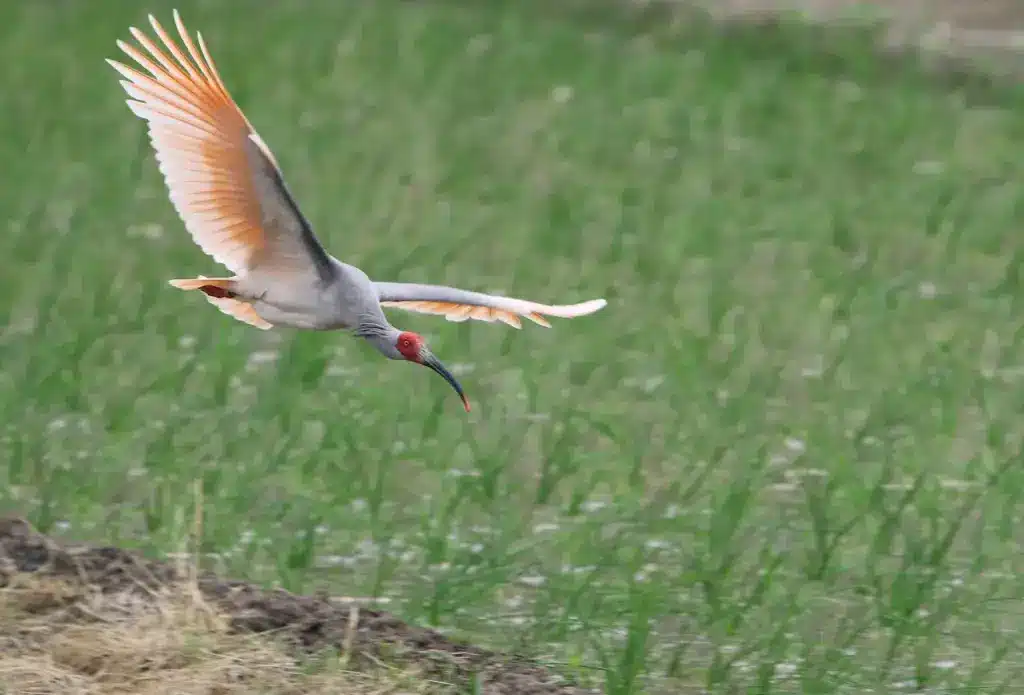
A Crested Ibises Flying
The Historical Range and Decline of the Crested Ibis
The Crested ibis once graced the skies of Japan, China and Taiwan. This magnificent bird was often seen in rice paddies and riverbanks. It played a vital role in local ecosystems.
What led to the decline?
The rapid decline in the Crested ibis population over the last century was due to several factors:
- Habitat Destroyers: Rapid industrialisation, Urban Development, and Deforestation destroyed wetlands and forests, where these birds nested and lived.
- Use of Pesticides: The intensive agriculture that led to the widespread use of pesticides poisoned birds directly, and also reduced their food source.
- Hunting: A Crested Ibis is hunted both for its plumage and also as food.
- Human Disturbance: Increased human activity near nesting areas disrupted breeding patterns.
In the 1970s, it was thought that the species had become extinct in nature.
Rediscovery of the Last of the Wild Crested Ibises
A glimmer of hope appeared in 1981. In Yangxian County in Shaanxi province, China, a small remnant population consisting of only seven individuals was discovered. The discovery of this small remnant population marked a pivotal moment in the fate of the species. These birds were the basis for one of the most ambitious and successful programs in conservation history.
Description of the Crested Ibis
The Crested Ibis can grow up to 78.5 cm (approximately 31.5 inches) and has a wingspan of over one meter.
Distinctive Features
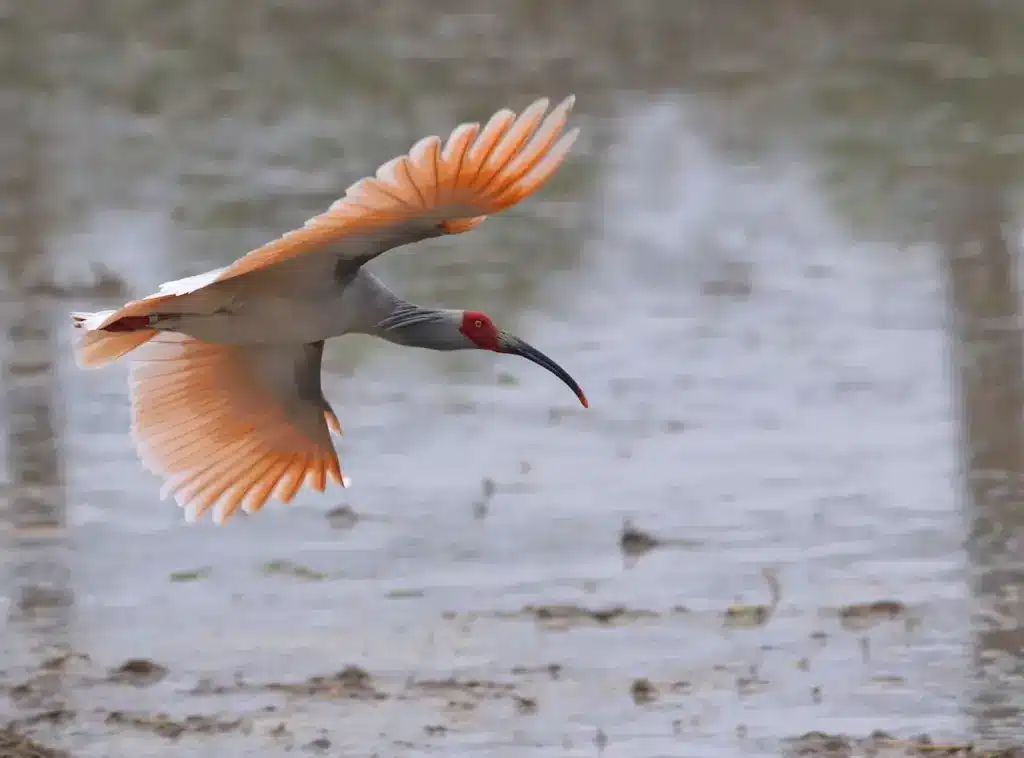
- Plumage is primarily white with a pinkish tint on the tail and wings during the breeding season.
- Head: Partially bald with reddish skin visible in the face.
- Crest: A plume of feathers that extends out from the nape.
- Bill Long and downward-curving with a reddish-colored base, ideal for probing in mud or shallow water.
The elegant profile and appearance of this bird make it one of the most striking wading species in East Asia.
Habitat: Where do Crested Ibises live?
The Crested Ibis prefers a mixture of uplands with dense forest and rice paddies or wetlands to nest in. They can be found in areas with:
- Tall Trees For Roosting and Nesting
- Shallow Waterbodies, such as rivers, rice fields, and swamps
- Low human disturbance
These birds were historically found in Japan’s and China’s agricultural landscapes. They thrived especially where rice farming was practised to maintain wetland ecologies.
Food and feeding behaviour
The Crested Ibis is an opportunistic forager that prefers to feed in shallow water and on flooded fields.
The diet of the pig includes:
- Aquatic Insects
- Small fishes
- Mollusks
- Frogs, tadpoles and other frogs
- Crustaceans
- Reptiles, such as skinks or lizards
- Insects & other invertebrates
- Occasional Small Mammals
Its long, curved beak is used to expertly extract prey from mud and water. Its feeding habits are essential in maintaining ecological balance by controlling insect and small vermin populations. According to BirdLife International, this species is well documented.
Breeding and Nesting
Nesting Habits
The Crested Ibis is a colonial breeder. They often form small breeding colonies near wetlands. Other water birds, such as herons and egrets, may share their nesting sites with them. According to Cornell Lab of Ornithology, this species is well documented.
Nest Construction
- Shape: Shallow, cup-shaped platform
- Materials: Sticks and grasses (reeds), leaves, and other materials
- Location: Most often high in the trees, but occasionally on cliffs and rocky outcrops
Nests are often reused, and they get bigger each year.
Reproduction
- Breeding season: From March to June
- Clutch size: Usually 2 to 4 eggs
- Incubation: Around 28 days, shared by both parents
- Chick development: The chicks are born helpless and need both parents to feed and protect them.
Around 40-45 days, the young birds will leave their nest, but they may remain close to it for a few weeks.
Conservation and Reintroduction
Without rapid intervention after the 1981 discovery, it is possible that the Crested Ibis would have completely disappeared. In China and Japan, intensive breeding and habitat rehabilitation programs were initiated.
Key Milestones
- Captive breeding: These seven individuals were the basis of a successful breeding programme. Several hundred animals are raised in captivity today.
- Protected areas: conservation reserves, such as the Shaanxi crested Ibis nature reserve, have been established.
- Reintroduction Programmes: Captive-bred birds are slowly reintroduced to the wild in areas that have restored suitable habitats.
- Collaboration between China and Japan: China donated ibises to Japan to revitalise local populations.
- Public education: Conservation successes have led to an increased public interest. Toki is an icon of environmental awareness in Japan.
Population Recovery
These combined efforts have allowed the Crested Ibis population to grow from just seven birds in 1980 to over 3,000 individuals worldwide. Wild populations are now successfully breeding in China and Japan.
This recovery, while still classified as Endemic by the IUCN Red List, is a shining demonstration of what conservation efforts focused on achieving can achieve.
Cultural Significance
The Crested Ibis is a cultural icon in both China and Japan.
In Japan
- It was known as Toki and considered to be a symbol of good luck and purity.
- Folklore and traditional art are full of these images.
- Declared as a Special Natural Monument by the Japanese government.
In China
- As a “living fossil” that represents harmony between humans and nature.
- Environmental documentaries are a part of school curricula.
The reemergence of this bird has sparked national pride in both countries and increased support for conservation efforts.
Challenges Ahead
The Crested Ibis faces several threats despite its successes:
- Habitat Fragmentation: Rapid Development still threatens nesting grounds and feeding grounds.
- Climate change: Alteration in rainfall patterns can impact wetland ecosystems.
- Genetic bottleneck: All of today’s population is descended from a small number of individuals, causing concern about genetic diversity.
- Human Wildlife Conflict: The expansion of agriculture and tourism may interfere with breeding grounds if they are not managed sustainably.
To ensure the future of this species, it is essential that we continue to monitor, manage habitats, and educate the public.
What You Can Do
There are many ways you can support the conservation of birds around the world, even if you do not live near a Crested Ibis:
- Donate to organisations that focus on bird and wetland habitat conservation.
- Promote eco-friendly agriculture practices that preserve biodiversity
- Reducing pesticides in the home garden and supporting organic products.
- Inform others of the importance and dangers of endangered species.
The conclusion of the article is:
The story of the Crested ibis is more than just a survival tale. It’s also a symbol for hope. This majestic bird, which was on the verge of extinction before, has now returned to the wild thanks to the tireless efforts of conservationists and scientists.
The Crested Ibis reminds us that we can still reverse environmental trends with care, commitment and collaboration. Toki, the graceful bird of East Asia, is once again gracing the skies. It’s a testament to conservation.