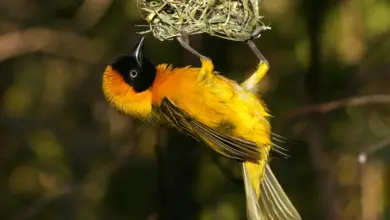
The striking orioles of the New World captivate birdwatchers and nature enthusiasts alike with their vibrant plumage and distinctive songs. Belonging to the genus Icterus, these birds are members of the family Icteridae, which also includes blackbirds, meadowlarks, and grackles. Despite their name and bright coloration, New World orioles are not closely related to the Old World orioles found in the family Oriolidae. However, their similar black and yellow or orange plumage and comparable ecological niches make them an intriguing example of convergent evolution. These birds are known for their slender bodies, pointed bills, and remarkable nests, and they play an important role in the ecosystems of the Americas.
Scientific Classification
The New World orioles belong to the genus Icterus within the family Icteridae, which is part of the order Passeriformes, commonly known as perching birds or songbirds. This family includes more than 100 species distributed primarily across the Americas. The genus Icterus contains about 30 species of orioles, ranging from the well-known Baltimore Oriole (Icterus galbula) to the vibrant Altamira Oriole (Icterus gularis).
These birds are distinct from the Old World orioles, which belong to the family Oriolidae and are native to Europe, Asia, and Africa. Despite the similarity in common names and plumage patterns, New World orioles and Old World orioles are not closely related genetically. The similarity in their bright yellow, orange, and black coloration is a result of convergent evolution, where unrelated species independently evolve similar traits as they adapt to comparable environments and lifestyles.






New World orioles typically weigh between 25 and 45 grams, with a length ranging from 17 to 22 centimeters (6.7 to 8.7 inches) and a wingspan of about 28 to 35 centimeters (11 to 14 inches), depending on the species. Their slender bodies and pointed bills are adapted for feeding on insects, nectar, and fruit.
Geographic Range & Distribution
Orioles of the genus Icterus are native to the Americas, with their range extending from southern Canada through the United States, Mexico, Central America, and down into South America, including many Caribbean islands. Their distribution is quite broad, but each species occupies specific habitats and regions within this range. For instance, the Baltimore Oriole breeds in the eastern and central United States and southern Canada and migrates to Central America and northern South America for the winter. In contrast, the Altamira Oriole is more sedentary, residing year-round in the southern United States and Mexico.
The range of orioles varies between migratory and resident behaviors. Species nesting in temperate regions with harsh winters, such as Canada and the northern United States, exhibit strong migratory patterns, traveling thousands of kilometers to warmer climates during the colder months. Conversely, orioles inhabiting tropical and subtropical regions, such as Mexico, Central America, and northern South America, tend to be non-migratory or only undertake short seasonal movements.
While primarily found in the Americas, occasional vagrant orioles have been recorded in Europe, with rare sightings in countries such as Ireland and Britain. These are usually accidental arrivals, likely blown off course during migration.
Physical Description
New World orioles are well known for their bright and contrasting plumage, which often combines hues of orange, yellow, and black. Males typically display the most vivid colors, with many species showing a black head and back contrasted against bright yellow or orange underparts and white wing bars. Females and juvenile birds, however, usually have duller, olive or brownish plumage, which provides camouflage against predators, especially during nesting.
The Baltimore Oriole, one of the most studied species, exemplifies this sexual dimorphism. Adult males have deep orange underparts and shoulders with a black head and back, while females are mostly yellow-orange with grayish wings. The average length of Baltimore Orioles is between 17 and 20 centimeters (6.7 to 7.9 inches), with a wingspan of about 23 to 30 centimeters (9 to 12 inches), and they weigh approximately 25 to 30 grams.
Physically, orioles have a slender body, long pointed wings, and a relatively long tail, which aids in maneuvering through dense foliage. Their bills are sharp and pointed, perfectly adapted for gleaning insects from leaves and extracting nectar from flowers. Orioles undergo one molt annually, typically after the breeding season, with juvenile birds attaining their adult plumage by the end of their second year.
Behavior & Diet
Orioles are active and agile foragers, often seen flitting through the canopy of deciduous trees and shrubs in search of food. Their diet is omnivorous but primarily consists of insects, fruits, and nectar. They consume a variety of insects such as caterpillars, beetles, wasps, and spiders, which provide essential protein, especially during breeding season when raising young. Orioles also feed on soft fruits like berries and cherries, and they are renowned for their fondness for nectar, often visiting flowering trees and shrubs.
In South America, orioles frequently feed on nectar from tropical flowering trees, which contributes to pollination. This mutualistic relationship highlights their ecological importance beyond insect control. Orioles are also known to visit hummingbird feeders, especially if these feeders are adapted with larger perches and bright orange coloration, which attracts the birds. Unlike hummingbirds that hover, orioles prefer to perch while feeding.
One notable aspect of their feeding habits is their attraction to oranges and grape jelly, which birdwatchers often use to lure them into gardens. Orioles will readily feed on halved oranges hung from trees or on jelly placed on feeders. While this feeding behavior makes them popular with bird enthusiasts, it sometimes brings orioles into conflict with citrus growers, as some species may feed on ripe fruit crops.
Breeding & Reproduction
The breeding season for New World orioles typically begins in late April in the southern part of their range and extends into May or early June in northern regions. The timing is closely linked to the availability of food resources and favorable weather conditions. Orioles are known for their remarkable nests, which are deep, woven pouches suspended from the tips of slender branches high in the canopy—usually 8 to 10 meters (25 to 30 feet) above the ground. According to Audubon Society, this species is well documented.
These pendulous nests are intricately constructed from plant fibers, grasses, strips of tree bark, and sometimes even human-made materials like string or yarn. The nest’s design includes a narrow entrance that can be closed by the weight of the chicks inside, providing protection from predators. This unique architecture is a hallmark of the genus Icterus and is considered one of the most sophisticated nest designs among passerines. According to BirdLife International, this species is well documented.
Female orioles typically lay between three and six eggs, which are pale blue or grayish-blue and marked with dark brown or black spots. The incubation period lasts about 12 to 14 days, during which the female primarily incubates the eggs while the male defends the territory. After hatching, both parents participate in feeding the nestlings with a diet rich in insects and fruit. The young fledge approximately 12 to 14 days post-hatching but may continue to receive parental care for several weeks after leaving the nest.
Brood parasitism by the Brown-headed Cowbird (Molothrus ater) poses a significant challenge to some oriole populations. Cowbirds lay their eggs in oriole nests, leading the oriole parents to raise cowbird chicks often at the expense of their own young. This parasitic behavior can reduce the reproductive success of orioles in affected areas.
Conservation Status
Most New World orioles are currently classified as Least Concern by the International Union for Conservation of Nature (IUCN), indicating stable or abundant populations across their ranges. The Baltimore Oriole, for example, is widespread and common throughout much of North America. However, some species with restricted ranges or specialized habitat requirements face conservation challenges.
Habitat loss due to deforestation, urbanization, and changes in land use threatens certain oriole species, especially those dependent on mature deciduous forests or tropical woodlands. Climate change also impacts migratory orioles by altering the timing of food availability and suitable breeding conditions. Additionally, brood parasitism by Brown-headed Cowbirds has been linked to local declines in some populations.
Conservation efforts focus on protecting critical habitats, promoting sustainable forestry practices, and educating the public about the importance of bird-friendly gardening and feeding practices. Providing native plants that support insect populations and safe nesting sites can help orioles thrive in human-dominated landscapes.
Interesting Facts
Orioles are renowned for their beautiful songs, which consist of clear whistles and melodic phrases that vary among species. These songs are an essential part of territory defense and mate attraction during the breeding season. Birdwatchers often identify orioles by their distinctive calls and songs, which add to the charm of seeing these colorful birds in the wild.
The Baltimore Oriole holds a special place in American culture, being the state bird of Maryland and the namesake of Baltimore’s Major League Baseball team. Its striking orange and black plumage inspired the team’s colors and mascot.
Another fascinating behavior is their migration, with some species traveling thousands of kilometers between breeding and wintering grounds. The Baltimore Oriole, for example, migrates from Canada and the northern U.S. to Central America and northern South America, demonstrating impressive endurance and navigational skills.
Orioles’ nests have also inspired human craftsmanship and curiosity due to their complexity and beauty. Some indigenous cultures have recognized the nests as symbols of skill and patience.
Finally, orioles contribute significantly to their ecosystems by controlling insect populations and pollinating flowering plants, highlighting their importance beyond their visual appeal.
In conclusion, New World orioles are a fascinating group of birds whose bright colors, complex behaviors, and ecological roles make them beloved by birdwatchers and important members of their habitats. Understanding their biology, migration, and conservation needs ensures that future generations can continue to enjoy these vibrant symbols of the Americas’ natural heritage.