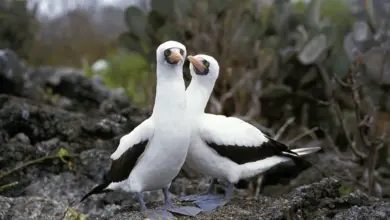
Wildlife photography from vehicles has become an invaluable technique for nature enthusiasts and professional photographers alike. Using vehicles as mobile blinds offers a unique way to observe and capture animals in their natural habitats with minimal disturbance. Unlike humans on foot, which many species perceive as immediate threats, vehicles often blend into the environment as non-threatening elements. This allows wildlife photographers to approach subjects more closely and document behavior that would otherwise be inaccessible. The strategy is widely used in game reserves, national parks, and other protected areas worldwide, especially in Africa, where safari vehicles provide a safe and effective platform for observing diverse and often elusive fauna.
Scientific Classification and Taxonomy
While wildlife photography from vehicles is a technique rather than a species, understanding the taxonomy of commonly photographed animals helps photographers anticipate behavior and habitat preferences. For example, many African safari-goers focus on the iconic Panthera leo (lion), Loxodonta africana (African elephant), Syncerus caffer (Cape buffalo), and Crocuta crocuta (spotted hyena). These species belong to the order Carnivora or Proboscidea and exhibit distinct social structures and behaviors that influence how close a vehicle can safely approach. Knowledge of taxonomy allows photographers to respect the biology and ecological needs of each species, reducing risk and enhancing photographic opportunities.
Geographic Range & Distribution
Wildlife photography from vehicles is most commonly practiced in regions with expansive protected areas and accessible road networks. The African savannas of Kenya, Tanzania, South Africa, Botswana, and Namibia are premier destinations, thanks to extensive game reserves like the Maasai Mara National Reserve and Kruger National Park. These parks offer open landscapes where safari vehicles can traverse dirt roads and fire trails to bring photographers close to large mammals and birds. In North America, national parks such as Yellowstone and Denali provide opportunities to photograph species like grizzly bears (Ursus arctos horribilis) and bison (Bison bison) from vehicles. Similarly, Australia’s national parks and reserves allow for wildlife photography from 4WD vehicles, capturing kangaroos (Macropus rufus) and other marsupials. The vehicle-based approach is also employed in South America’s Pantanal wetlands and parts of Asia’s tiger reserves, wherever terrain and regulations permit vehicle access near wildlife.


Physical Description & Appearance of Commonly Photographed Animals
Wildlife photographers benefit from understanding the physical traits of their subjects, which often influence the best photographic techniques and vehicle positioning. For instance, the African elephant (Loxodonta africana) is the largest land mammal, weighing up to 6,000 kilograms with a shoulder height of up to 3.3 meters. Their size allows them to overlook vehicles, but their sensitive hearing and keen sense of smell make a stationary vehicle advantageous. Lions (Panthera leo) have muscular bodies measuring 1.4 to 2.5 meters in length, with males sporting impressive manes that can extend the overall length by another 20-30 centimeters. Photographers often capture lions resting or hunting at dawn or dusk, using vehicles to avoid disturbing their natural behaviors. Birds such as the African fish eagle (Haliaeetus vocifer) present a wingspan of approximately 2 meters and can be approached from vehicles parked near water bodies. Understanding these details helps photographers select appropriate lenses and vehicle positions to maximize image quality.
Behavior & Diet
Animal behavior and diet play crucial roles in determining how close a vehicle can approach without causing alarm. Many large herbivores such as zebras (Equus quagga) and giraffes (Giraffa camelopardalis) are habituated to vehicles and tolerate their presence, often focusing more on grazing than on perceived threats. Carnivores like lions and leopards (Panthera pardus) tend to be more cautious but may ignore vehicles if they do not perceive movement or noise as threatening. Predators’ behavior is also influenced by their diet; lions hunt primarily large ungulates and are most active during cooler parts of the day, making early morning or late afternoon prime photographic opportunities. Many species exhibit heightened vigilance when vehicles start moving abruptly or engines rev, so photographers often employ slow, deliberate movements and shut off engines to avoid disturbing animals. Diets vary widely: elephants consume up to 150 kilograms of vegetation daily, while spotted hyenas (Crocuta crocuta) are opportunistic scavengers and hunters, feeding on a variety of prey. Recognizing these patterns assists photographers in predicting animal locations and behaviors.
Breeding & Reproduction
Observing wildlife during breeding and reproductive periods requires additional care, as animals can be especially sensitive to disturbances. Many large mammals have specific mating seasons; for example, lions experience peak mating during the rainy season when prey abundance is high. Female elephants have a gestation period of about 22 months, the longest of any land mammal, and calves are typically born in secluded areas within the herd’s home range. During calving or birthing periods, animals are more protective and may perceive vehicles as threats, increasing the importance of a stationary, quiet approach. Photographers must maintain respectful distances and avoid interrupting courtship or maternal behaviors to ensure animal welfare and safety. Understanding reproductive cycles also enriches photographic storytelling, capturing vital life stages from mating displays to nurturing offspring. According to Audubon Society, this species is well documented.
Conservation Status
Many species encountered during vehicle-based wildlife photography face varying levels of threat, making conservation awareness essential. The African elephant (Loxodonta africana) is currently listed as Vulnerable by the International Union for Conservation of Nature (IUCN), primarily due to poaching and habitat loss. Lions (Panthera leo) are classified as Vulnerable, with populations declining due to human-wildlife conflict and habitat fragmentation. The Cape buffalo (Syncerus caffer) remains of Least Concern but faces localized pressures. Responsible wildlife photographers contribute to conservation by promoting awareness and supporting protected areas. Vehicles enable access to wildlife with minimal disturbance compared to foot traffic, reducing stress and habitat degradation. However, adherence to park rules—such as staying on designated roads and never leaving the vehicle in dangerous areas—is crucial to protect both animals and humans. Ethical photography practices and respect for wildlife laws help ensure these magnificent species endure for future generations. According to eBird, this species is well documented.
Interesting Facts
Using vehicles as mobile blinds is a tradition rooted deeply in African safari culture but has expanded globally. One fascinating aspect is the animal’s habituation to vehicles: many species recognize vehicles as neutral objects since they neither attack nor chase them. For example, in South African reserves, elephants often approach vehicles curiously, sometimes even interacting gently with them, which can produce spectacular photographic moments. The design of safari vehicles often includes open sides or pop-up roofs to facilitate unobstructed views and camera use. Photographers commonly use window ledges as stable supports for long telephoto lenses, sometimes employing specialized mounts or even padded pillows to reduce vibrations. Movement inside the vehicle is minimized to prevent drawing attention, and engines are turned off when possible to avoid noise and vibrations. A notable rule in many African reserves is never to leave the vehicle, as examples of dangerous encounters with animals like cape buffalo (Syncerus caffer) highlight the risks. In North America, wildlife photography from vehicles is often combined with roadside observation, where animals such as elk (Cervus canadensis) and wolves (Canis lupus) can be photographed from the safety of a car along park roads.
Photographers often develop unspoken protocols when sharing vehicles to maximize shooting opportunities, such as allowing the person on the side closest to the animal to take the first shots. Sometimes, doors are opened briefly to gain different angles, but this is done cautiously to avoid startling the subject. Vehicle choice is also important: rugged 4WDs with high ground clearance are preferred to navigate rough terrain and provide better vantage points over vegetation. In some cases, specially modified vehicles with elevated platforms or rotating seats enhance the photographic experience.
Conclusion
Wildlife photography from vehicles is a powerful method to observe and capture natural behavior while minimizing disturbance to animals. This technique balances the need for proximity with safety and respect for wildlife, making it an essential skill for nature photographers worldwide. Vehicles serve as effective mobile blinds that allow photographers to document a rich variety of species, from the majestic African elephant to elusive predators and vibrant birds. By understanding animal taxonomy, behavior, and ecology, photographers can maximize their success while contributing to conservation efforts. Ethical practices—such as staying on roads, remaining inside the vehicle, and minimizing noise—ensure that wildlife photography supports sustainable interactions with nature. Whether on an African safari or a North American national park drive, vehicle-based photography opens a window into the wild that few other methods can match, offering unforgettable glimpses into the lives of Earth’s incredible creatures.