The Clay-colored Sparrow (Spizella pallida) is a small, subtle songbird known for its understated beauty and distinctive vocalizations. Found primarily across central North America, this species inhabits shrubby open landscapes and young pine forests where it breeds and raises its young. Although often overlooked due to its muted coloration, the Clay-colored Sparrow plays a vital role in the ecosystems it inhabits, contributing to seed dispersal and insect population control. Its migratory habits and social behavior add further intrigue, making it a fascinating subject for birdwatchers and nature enthusiasts alike.
Scientific Classification
The Clay-colored Sparrow belongs to the family Passerellidae, which encompasses the New World sparrows and juncos. Its scientific name is Spizella pallida, where “Spizella” refers to a genus of small, often streaky sparrows, and “pallida” translates to “pale,” a nod to its light brown plumage. The genus Spizella includes several other species such as the Chipping Sparrow (Spizella passerina) and Brewer’s Sparrow (Spizella breweri), which are commonly confused with the Clay-colored Sparrow due to their similar size and coloration.
Taxonomically, the Clay-colored Sparrow has been well defined with no current subspecies recognized, indicating a relatively uniform population across its range. This bird’s placement within the sparrow family highlights its typical small size, seed-based diet, and characteristic vocalizations. The Clay-colored Sparrow is part of the order Passeriformes, the largest avian order, commonly referred to as perching birds or songbirds. Its evolutionary adaptations for ground foraging and shrub nesting set it apart from other sparrows that prefer more wooded or grassland environments.


Geographic Range & Distribution
The Clay-colored Sparrow breeds predominantly across central Canada and the northern United States. Its breeding range extends from the Canadian provinces of Alberta, Saskatchewan, and Manitoba eastward to Ontario and parts of Quebec. In the United States, it inhabits states in the northern Great Plains and Midwest, including North Dakota, South Dakota, Minnesota, Wisconsin, and Michigan. Additionally, it is a regular breeder in jack pine forests and shrubby areas throughout these regions, favoring young, regenerating woodlands and open fields with scattered shrubs.
During the non-breeding season, the Clay-colored Sparrow migrates southward in flocks, with wintering grounds located primarily in southern Texas, northern Mexico, and parts of the southwestern United States. Migration typically occurs in September and October, with birds returning to breeding areas by April or May. The species prefers open habitats with sparse tree cover for wintering, often joining mixed-species flocks including other sparrows and small passerines. This wide geographic range reflects the species’ adaptability to various temperate habitats while relying heavily on specific breeding conditions such as shrubby openings and young coniferous forests.
Physical Description
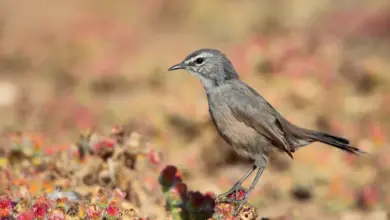
The Clay-colored Sparrow is a small bird, measuring approximately 12 to 14 centimeters (4.7 to 5.5 inches) in length, with a wingspan ranging from 19 to 22 centimeters (7.5 to 8.7 inches). Adults typically weigh between 14 and 18 grams (0.5 to 0.6 ounces), making them lightweight and agile fliers. Their overall plumage is a soft, pale brown with subtle streaking on the back, providing excellent camouflage against the dry grasses and shrubs of their habitat.
One of the most distinctive features of the Clay-colored Sparrow is its head pattern. It displays a pale grey crown with a prominent pale buffy stripe running down the center. Flanking this crown stripe are darker brown areas, creating a sharp contrast. A white supercilium, or eyebrow line, arches above the eye, while a dark brown line runs through the eye itself, giving the bird a striking facial expression. The cheeks are a warm light brown, blending subtly with the overall coloration. The wings are brown with two faint, pale wing bars that are more visible in flight.
The bill is short and conical, adapted for seed eating, and is pale with a darker tip. The back of the neck features a soft grey wash, which can sometimes appear more prominent in breeding adults. The tail is relatively long and narrow, often flicked upward or downward as the bird moves through shrubs. Immature and non-breeding adults resemble related species such as the Chipping Sparrow and Brewer’s Sparrow, which can complicate identification; however, the combination of head pattern and habitat preference usually aids careful observers.
Behavior & Diet
Clay-colored Sparrows are primarily ground foragers, spending much of their time searching the leaf litter and soil for food. Their diet consists mainly of seeds, which they glean from grasses, weeds, and shrubs. During the breeding season, they supplement this seed-heavy diet with a variety of insects, including beetles, caterpillars, ants, and spiders. This increased protein intake is essential for raising healthy chicks. Outside of the nesting period, seeds dominate their diet, especially those of grasses and small herbaceous plants.
These sparrows are social birds, often forming small flocks during migration and in wintering areas. Their foraging flocks may include other sparrow species, providing safety in numbers against predators. Although they forage primarily on the ground, they occasionally glean insects from foliage and shrubs. Clay-colored Sparrows do not fiercely defend feeding territories outside of the breeding season, and feeding grounds are typically shared communally.
Vocal communication is an important part of their behavior. Males sing prominently during the breeding season to establish and defend territories. Their song consists of a series of two to four insect-like buzzes delivered on a single pitch, often described as a dry, buzzing trill. Additionally, their call notes include a sharp, high-pitched “tsip,” which helps maintain contact between flock members during migration and foraging. These vocalizations, while subtle, are key identifiers for birdwatchers in the field.
Breeding & Reproduction
The breeding season for Clay-colored Sparrows typically begins in late May and continues through July. These birds favor nesting sites in shrubby, open habitats, often selecting young jack pine forests, brushy fields, or areas with scattered shrubs. The nest is a delicate, open cup constructed primarily on or near the ground, usually within a low shrub or dense grass tussock. This ground-level nesting strategy relies heavily on camouflage to protect against predators. According to Cornell Lab of Ornithology, this species is well documented.
Females build the nest using grasses, bark strips, and plant fibers, lining it with finer materials such as feathers and hair. Clutch size usually ranges from three to five eggs, which are creamy white or pale buff with fine brown spotting. Incubation lasts about 11 to 13 days and is primarily performed by the female, while the male maintains territory defense through song and displays. According to BirdLife International, this species is well documented.
After hatching, the altricial nestlings—born blind and featherless—are fed by both parents. The chicks remain in the nest for approximately 8 to 10 days before fledging. Even after leaving the nest, young sparrows often stay near the territory with their parents, learning to forage effectively. The species may raise two broods in a single season depending on environmental conditions, which contributes to its population stability in suitable habitats.
Conservation Status
The Clay-colored Sparrow is currently listed as a species of Least Concern by the International Union for Conservation of Nature (IUCN). Its wide range and relatively stable population numbers contribute to this favorable status. However, like many grassland and shrubland birds, it faces threats from habitat loss due to agricultural expansion, urban development, and changes in forest management practices.
Conservation efforts aimed at maintaining early successional habitats, such as young jack pine stands and shrublands, benefit the Clay-colored Sparrow. These habitats often require periodic disturbance to prevent succession into mature forest, which is less suitable for the species. Monitoring trends through programs like the North American Breeding Bird Survey helps track population changes and guide conservation priorities.
Despite these challenges, the Clay-colored Sparrow remains a relatively common species within its core breeding range. Its adaptability to secondary growth habitats and tolerance of fragmented landscapes offer some resilience. Continued attention to habitat preservation and restoration will be essential to ensure that this understated sparrow continues to thrive.
Interesting Facts
The Clay-colored Sparrow is often overshadowed by more colorful or conspicuous birds, yet it exhibits several fascinating behaviors. One notable trait is its tendency to form mixed-species flocks outside the breeding season, often associating with Chipping Sparrows and Brewer’s Sparrows. This social behavior enhances foraging efficiency and predator awareness.
Another interesting aspect is its song, which mimics the buzzing of insects, a unique feature among sparrows. This insect-like buzz may help males stand out in noisy open habitats, effectively marking their territory without attracting undue attention from predators. The clear, repetitive nature of the song allows birdwatchers to identify the species even when visual confirmation is difficult.
Additionally, the Clay-colored Sparrow’s preference for nesting on or near the ground is relatively unusual among sparrows, many of which nest higher in trees or shrubs. This ground-level nesting makes the birds vulnerable to predators such as snakes, foxes, and domestic cats, emphasizing the importance of dense vegetation for concealment.
Finally, the species’ name reflects its coloration rather than its environment, as “clay-colored” describes the pale brown and tan hues reminiscent of natural clay soils. This subtle coloration provides excellent camouflage across the dry prairies and open woodlands the bird calls home.
In conclusion, the Clay-colored Sparrow is a modest yet remarkable member of North America’s avian community. Its understated beauty, intricate behaviors, and adaptive strategies make it a rewarding species for birdwatchers to observe and study. By understanding its life history and ecological needs, conservationists and enthusiasts alike can help ensure that this sparrow continues to enrich the landscapes it inhabits for generations to come.