Fowl pox is a contagious viral disease that primarily affects birds, especially domestic poultry such as chickens and turkeys. Caused by viruses of the genus Avipoxvirus within the family Poxviridae, this disease has a global presence and can significantly impact bird populations both in the wild and in captivity. Fowl pox manifests mainly in two distinct forms — the cutaneous or “dry” form and the diphtheritic or “wet” form — each with different symptoms and implications for affected birds. Understanding this disease’s biology, transmission, and effects is crucial for bird enthusiasts, poultry keepers, and wildlife conservationists alike.
Scientific Classification
Fowl pox is caused by viruses belonging to the genus Avipoxvirus, which is part of the family Poxviridae. This family is known for large, complex DNA viruses that cause pox diseases in a wide range of animals. The genus Avipoxvirus specifically infects birds and includes several species with hosts varying from domestic poultry to wild birds. Notable species include Fowlpox virus (FPV), which mainly infects chickens (Gallus gallus domesticus), turkeys (Meleagris gallopavo), and other gallinaceous birds, as well as other avian poxviruses that affect pigeons, canaries, and wild passerines.
These viruses have a large, double-stranded DNA genome and replicate in the cytoplasm of infected host cells. Fowl pox viruses are highly species-specific but can infect multiple bird species, sometimes crossing between wild and domestic populations. The virus is remarkably resilient, surviving for months in dried scabs and contaminated environments, making control and prevention a challenge.



Geographic Range & Distribution
Fowl pox is a worldwide disease and has been reported on every continent where birds are found, except for Antarctica. It is particularly prevalent in warmer and more humid climates where biting insects such as mosquitoes, which serve as biological vectors, are abundant. These insects facilitate the spread of the virus from infected to healthy birds.
The disease occurs in both rural and urban settings, affecting backyard poultry, commercial flocks, and wild bird populations. In tropical and subtropical regions, fowl pox outbreaks can be more frequent and severe due to favorable conditions for mosquito breeding and survival of the virus in the environment. Outbreaks have been documented in North and South America, Europe, Africa, Asia, and Australia. Migratory birds can also contribute to the spread of avipoxviruses over large distances.
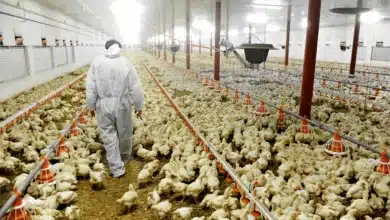
Because the virus can be transmitted through direct contact, contaminated surfaces, aerosols, and insect bites, fowl pox can persist in densely populated bird areas, including farms and aviaries. Seasonal outbreaks often coincide with mosquito activity peaks, typically during warmer months.
Physical Description & Appearance of Infected Birds
Fowl pox presents itself in two primary clinical forms: the dry (cutaneous) form and the wet (diphtheritic) form, each with distinct physical symptoms. The dry form is the more common and generally less severe manifestation. It is characterized by the appearance of wart-like nodules and scabs on featherless areas of the bird’s body, including the comb, wattles, eyelids, ear lobes, feet, and around the vent. These lesions begin as small, pale, or whitish spots that enlarge and harden into crusty scabs over several days to weeks. The nodules can range in size from a few millimeters to over a centimeter in diameter.
Infected birds often display swelling and inflammation around these lesions but usually remain active and able to feed. The dry form typically resolves within three to five weeks, with scabs falling off as the skin heals. Importantly, birds that recover from the dry form do not become lifelong carriers of the virus.
The wet form is more serious and less common. It affects the mucous membranes of the mouth, throat, larynx, and sometimes the trachea. Birds infected with the wet form develop yellowish, cheese-like plaques or diphtheritic membranes inside the oral cavity and upper respiratory tract. These lesions interfere with the bird’s ability to eat and breathe, often leading to severe respiratory distress. Because the wet form compromises feeding and respiration, it has a poorer prognosis and higher mortality rates.
Overall, affected birds may show signs of lethargy, reduced appetite, ruffled feathers, and decreased egg production. Young birds are especially vulnerable, often showing stunted growth during infection.
Behavior & Diet Considerations During Infection
Fowl pox infection impacts birds’ behavior primarily through the physical discomfort caused by lesions, especially in the wet form. Birds with dry lesions may become less active, avoiding pecking or grooming behaviors that cause pain around the scabbed areas. Infected birds often isolate themselves within the flock and exhibit signs of stress and weakness.
The wet form’s oral and respiratory lesions significantly impair the bird’s ability to eat and drink. Affected birds may gasp for air, cough, or exhibit nasal discharge. Difficulty swallowing often leads to decreased food intake and dehydration, compounding the bird’s weakened condition.
Diet-wise, birds require supportive care during fowl pox infection. Nutritional supplements, easily digestible feed, and access to clean water are critical to help maintain energy levels and aid recovery. In commercial settings, providing soft feed or water medication to encourage intake may be necessary. Since infection may last several weeks, ongoing care is essential to prevent secondary infections and further complications.
Breeding & Reproduction Effects
Fowl pox can have a notable impact on the reproductive performance of infected birds. Laying hens often experience a significant drop in egg production during an outbreak, sometimes ceasing to lay entirely until they recover. This reduction is attributed to the general stress of illness, decreased nutrition due to feeding difficulties, and systemic effects of the viral infection. According to RSPB, this species is well documented.
In young birds, particularly chicks and poults, infection can lead to stunted growth and delayed sexual maturity. This developmental delay affects their future breeding potential and overall flock productivity. The disease rarely passes vertically from parent to offspring through eggs, but infected breeders can indirectly affect progeny by weakening the flock’s overall health. According to Cornell Lab of Ornithology, this species is well documented.
Recovery from fowl pox generally restores normal breeding behavior and fertility, although severe or prolonged cases can have lasting impacts. Vaccination programs are widely used in commercial poultry operations to protect breeding stock and maintain flock health, reducing the risk of outbreaks during critical reproductive periods.
Conservation Status
While fowl pox itself is not a species but a disease affecting many bird species, its impact on wild bird populations can influence conservation efforts. The disease is not listed on the IUCN Red List since it is an infectious agent rather than a species, but its presence can exacerbate threats to vulnerable or endangered birds by increasing mortality rates and reducing reproductive success.
Certain wild bird populations, especially island endemics and species with limited ranges, are at heightened risk from avipoxviruses. For example, Hawaiian honeycreepers (Fringillidae family) have suffered population declines partly due to avian diseases including fowl pox and avian malaria. Introduced mosquitoes act as vectors, spreading the virus and compounding conservation challenges.
In domestic poultry, fowl pox is a significant economic concern worldwide. Although the disease rarely causes mass mortality in commercial flocks, outbreaks can lead to production losses and increased costs for vaccination and biosecurity. The development and use of effective vaccines have helped control the disease in many regions.
Interesting Facts
Fowl pox viruses are unique among DNA viruses in that they replicate entirely in the cytoplasm of infected cells, bypassing the host cell nucleus. This unusual replication strategy is shared by all poxviruses and contributes to their complex life cycle.
The virus is highly resilient and can remain infectious in dried scabs for months, posing a long-term risk for transmission even after infected birds have recovered or died. This environmental persistence underscores the importance of thorough sanitation and disinfection in managing outbreaks.
Transmission by mosquitoes is particularly fascinating. After feeding on an infected bird, mosquitoes can harbor the virus for over a month without being harmed themselves, effectively acting as living reservoirs and mechanical vectors. This relationship makes mosquito control a key component of fowl pox prevention.
Many wild bird species that appear healthy may carry avipoxviruses asymptomatically, serving as reservoirs for the virus. This silent carriage complicates efforts to eradicate the disease and highlights the interconnectedness of wild and domestic bird health.
Vaccination against fowl pox, developed since the early 20th century, uses live attenuated virus strains and is widely employed in commercial and backyard flocks. Vaccinated birds develop immunity that protects against outbreaks, although vaccination does not eliminate the virus from the environment.
Conclusion
Fowl pox is a widespread and contagious viral disease that affects a broad range of bird species globally. Caused by viruses of the genus Avipoxvirus, it manifests in two main forms — a dry, cutaneous version marked by wart-like lesions on the skin, and a more severe wet form affecting mucous membranes of the respiratory tract. While often self-limiting, the disease can cause significant health problems, reduced productivity, and secondary infections in birds. Its transmission through direct contact, contaminated environments, and biting insects like mosquitoes makes it a persistent challenge for poultry producers and wildlife managers.
Effective management relies on understanding the virus’s biology, maintaining strict hygiene, controlling mosquito populations, and employing vaccination where possible. For nature enthusiasts and birdwatchers, recognizing the signs of fowl pox and supporting conservation efforts to protect vulnerable wild birds from this disease is essential in maintaining healthy avian populations worldwide.