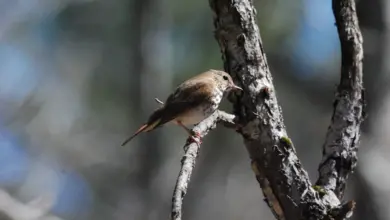
The Cardinal Woodpecker (Dendropicos fuscescens) is a small but striking member of the woodpecker family, Picidae, widely distributed across sub-Saharan Africa. This species is well adapted to a variety of habitats, from dry thornbush savannas to lush, dense forests. Known for its distinctive plumage and lively behavior, the Cardinal Woodpecker plays an essential role in its ecosystem, both as an insect predator and as a cavity nester that can influence the availability of nesting sites for other species. This article explores the many facets of this fascinating bird, from its taxonomy to its conservation status, offering insights that will captivate birdwatchers, naturalists, and wildlife photographers alike.
Scientific Classification
The Cardinal Woodpecker belongs to the family Picidae, which encompasses all woodpeckers, sapsuckers, and flickers. Its scientific name is Dendropicos fuscescens. The genus Dendropicos comprises several African woodpecker species characterized by their arboreal habits and often colorful plumage. The species name fuscescens roughly translates to “darkening” or “dusky,” a nod to the bird’s olive and black streaked coloration. First described by Andrew Smith in 1830, the Cardinal Woodpecker fits within the subfamily Picinae, which includes the typical woodpeckers that exhibit strong bills, stiff tail feathers, and zygodactyl feet (two toes facing forward and two backward) — adaptations that facilitate their tree-climbing lifestyle.
Within its genus, the Cardinal Woodpecker is closely related to the Brown-backed Woodpecker (Dendropicos obsoletus) and the Bearded Woodpecker (Dendropicos namaquus), sharing similar ecological niches but differing in habitat preference and physical markings. The species exhibits some geographic variation, with several subspecies described across its range, though these distinctions are subtle and often overlap.






Geographic Range & Distribution
The Cardinal Woodpecker is widely distributed across sub-Saharan Africa, stretching from Senegal and Gambia in the west, through East Africa, down to South Africa and parts of Mozambique and Zimbabwe. Its range extends over a variety of countries, including Uganda, Kenya, Tanzania, Angola, and Botswana. This extensive distribution is a testament to its adaptability to diverse environments.
Habitat-wise, the Cardinal Woodpecker favors woodland and savanna ecosystems but is equally comfortable in gardens, parks, and forest edges. It inhabits both dry and moist regions, often found in thornbush scrub, miombo woodlands, and riverine forests. Unlike some woodpecker species that require mature, dense forests, the Cardinal Woodpecker can thrive in fragmented landscapes and areas disturbed by human activity, provided there are sufficient trees for foraging and nesting.
Its altitude range varies, occurring from near sea level up to about 2,000 meters in mountainous regions. This flexibility in habitat preference allows the Cardinal Woodpecker to maintain stable populations across its range, even as environmental conditions fluctuate seasonally or due to human influence.
Physical Description
The Cardinal Woodpecker is a relatively small woodpecker, measuring approximately 14 to 15 centimeters in length, with an average weight of about 25 to 35 grams. Its wingspan ranges from 25 to 30 centimeters, giving it a compact but agile profile ideal for maneuvering through dense foliage. The bird’s body shape is typical of woodpeckers, featuring a strong, chisel-like bill, stiff tail feathers used as support against tree trunks, and sturdy legs with zygodactyl feet for gripping bark.
Plumage coloration is distinctive and provides excellent camouflage in the dappled light of woodlands. The upperparts are predominantly olive-green with fine white spotting, while the underparts are mostly white with bold black streaks. The face is mostly white with a prominent black malar stripe running from the base of the bill down the sides of the throat. One of the most striking features is the sexual dimorphism in head coloration: adult males display a bright red patch on the hind crown and nape, which is absent in females. Females have a black nape and a darker, more subdued hindcrown. Juveniles resemble females but may show some red on the crown, which fades as they mature.
Another notable physical trait is the small crest on the head, which the bird raises when excited or alarmed. This crest, combined with the red crown in males, makes the Cardinal Woodpecker a visually engaging subject for photographers and birdwatchers alike.
Behavior & Diet
The Cardinal Woodpecker is an active and vocal bird, often seen clinging vertically to tree trunks and branches as it searches for food. Like other woodpeckers, it uses its strong bill to peck and probe into bark to uncover insects beneath the surface. Its diet is primarily insectivorous, consisting largely of ants, beetle larvae, termites, and various other wood-boring insects. The bird’s long, barbed tongue extends rapidly to extract prey from deep crevices, an evolutionary adaptation essential for its feeding strategy.
Besides insects, the Cardinal Woodpecker may occasionally consume fruit or sap, but animal protein remains the dietary staple. This woodpecker is typically solitary or found in pairs, but during non-breeding seasons, it may join mixed-species foraging flocks. It is known for its persistent drumming and sharp, high-pitched calls, often described as a rapid series of “krrrek-krrrek-krrrek” notes that carry through the forest, serving both as territorial signals and communication between mates.
Its movements are agile and deliberate, characterized by short hops interspersed with steady climbing. The bird’s tail feathers provide essential support as it presses against vertical surfaces, allowing it to maintain balance while hammering at wood. The Cardinal Woodpecker’s vocalizations and drumming rhythms can vary regionally, which adds an interesting dimension to its behavioral ecology.
Breeding & Reproduction
Breeding season for the Cardinal Woodpecker generally coincides with the rainy periods across its range, when insect availability peaks. The species is monogamous during the breeding cycle, with pairs cooperating to excavate nest cavities in dead or decaying trees. These cavities are unlined, relying on natural wood surfaces to protect the clutch. According to RSPB, this species is well documented.
Both male and female participate in excavating the nesting hole, which can take several weeks to complete. The nest cavity is typically situated anywhere from 2 to 10 meters above the ground, offering protection from many predators. Courtship behaviors include mutual preening and vocal displays. The female lays between two to four white eggs, which both parents incubate for approximately 12 to 14 days. According to Cornell Lab of Ornithology, this species is well documented.
After hatching, the chicks are altricial, meaning they are born naked and helpless, fully dependent on parental care. Both parents share feeding duties, regurgitating insects to nourish the young. The fledging period lasts about three weeks, after which the juveniles become increasingly independent but may remain with the parents for some time.
The ability to nest in a variety of tree species and conditions, combined with biparental care, contributes to the reproductive success of the Cardinal Woodpecker across its wide range.
Conservation Status
The International Union for Conservation of Nature (IUCN) currently lists the Cardinal Woodpecker as a species of Least Concern. This status reflects its broad geographic distribution, stable population trends, and adaptability to diverse habitats. Unlike many specialized forest birds, the Cardinal Woodpecker tolerates habitat modification and is often found in human-altered landscapes such as agricultural areas and suburban gardens.
Despite its resilience, local populations may face threats from deforestation, habitat fragmentation, and the removal of dead trees, which are crucial for nesting. Conservation efforts aimed at preserving woodland habitats and promoting sustainable forestry practices indirectly benefit this species. Observing the Cardinal Woodpecker can also serve as an indicator of ecosystem health, given its reliance on insect populations and tree availability.
Ongoing monitoring is essential to ensure that environmental changes, especially those caused by climate change and land-use shifts, do not negatively impact this otherwise widespread and common woodpecker.
Interesting Facts
The Cardinal Woodpecker exhibits several fascinating behaviors and traits that underscore its ecological niche and appeal to bird enthusiasts. For example, its drumming is not only a means of communication but also a territorial display that helps reduce physical confrontations. The bird’s ability to repeatedly hammer into hard wood without injury is due to specialized adaptations in its skull and beak structure, which absorb shock and prevent brain damage.
Another intriguing aspect is its tongue, which can extend up to twice the length of its bill and is coated with sticky saliva to capture elusive prey. This remarkable feeding tool is a marvel of avian evolution. Additionally, the species’ small size enables it to access insect larvae hidden deep within narrow tree crevices, a niche less available to larger woodpeckers.
Photographers often prize the Cardinal Woodpecker for its vivid red crown and contrasting plumage, which stand out beautifully against the green and brown backdrops of African woodlands. Its vocalizations are also distinctive and can be used as an auditory cue for locating the bird in dense habitats.
Finally, the Cardinal Woodpecker’s role as a cavity nester means it indirectly supports other species such as small birds, mammals, and reptiles that may use abandoned woodpecker nests as shelter, highlighting its importance within the broader ecosystem.
In summary, the Cardinal Woodpecker is a captivating and ecologically significant species. Its widespread presence across sub-Saharan Africa, combined with its unique behaviors and adaptability, makes it a valuable subject of study and enjoyment for anyone interested in the rich avian diversity of the continent.