Hummingbirds are among the most captivating and extraordinary birds in the natural world. Known for their dazzling iridescent plumage and incredible flying abilities, these tiny birds have fascinated birdwatchers, photographers, and nature enthusiasts for centuries. Belonging to the family Trochilidae, Hummingbirds are primarily found in the Americas, ranging from Alaska to Tierra del Fuego, with the greatest diversity in tropical regions. This article explores the diverse species of hummingbirds, their scientific classification, geographic distribution, physical characteristics, behavior, diet, breeding habits, conservation status, and some intriguing facts that highlight their remarkable adaptations and ecological importance.
Scientific Classification
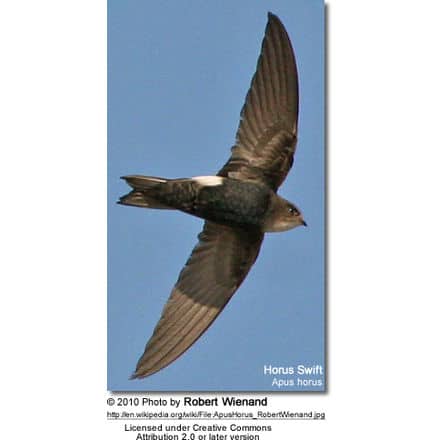
Hummingbirds belong to the family Trochilidae, within the order Apodiformes, which they share with swifts. The family comprises over 360 recognized species, making it one of the most species-rich bird families. The genus and species names of hummingbirds reflect their varied characteristics and the regions they inhabit. For example, the well-known Anna’s Hummingbird is classified as Calypte anna, while the tiny Bee Hummingbird, the smallest bird in the world, is named Mellisuga helenae. Most hummingbirds fall into several genera such as Selasphorus, Amazilia, Lampornis, and Calypte. The classification is based on morphological features, plumage colors, and vocalizations, as well as molecular genetic studies that continue to refine our understanding of their evolutionary relationships.
Geographic Range & Distribution
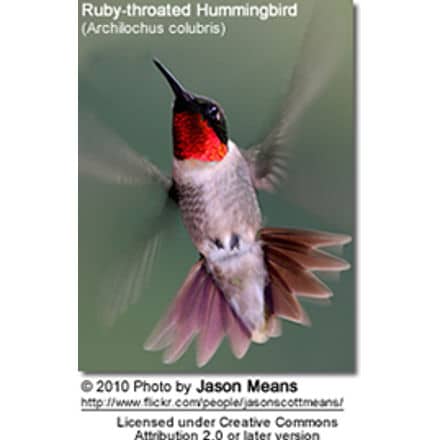
Hummingbirds are native exclusively to the Americas, with their range extending from southern Alaska and Canada in the north, down through the United States, Mexico, Central America, and the Caribbean, all the way to the southernmost tip of South America. The highest diversity of hummingbird species exists in tropical and subtropical regions, particularly in the Andes Mountains of South America, which serve as a biodiversity hotspot. For example, species such as the Bearded Helmetcrest (Oxypogon guerinii) and the Empress Brilliant (Heliodoxa imperatrix) are found in high-altitude Andean cloud forests. In the United States, species like the Ruby-throated Hummingbird (Archilochus colubris) dominate the eastern states, while Anna’s Hummingbird (Calypte anna) and Allen’s Hummingbird (Selasphorus sasin) are common along the West Coast. Some species such as the Black-bellied Hummingbird (Eupherusa nigriventris) have very limited ranges, often restricted to specific mountain ranges or islands.


Physical Description
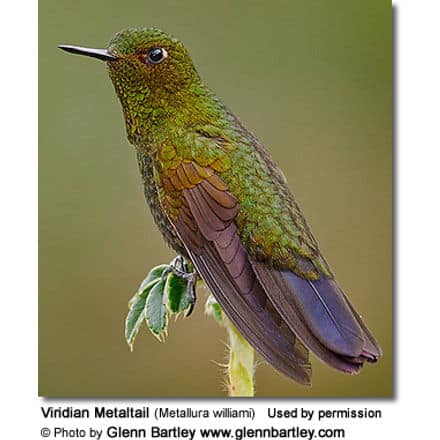
Hummingbirds are renowned for their small size, iridescent feathers, and unique morphological traits. They range in length from as tiny as 5 cm (2 inches) in the Bee Hummingbird (Mellisuga helenae), which weighs about 2 grams, to the much larger Giant Hummingbird (Patagona gigas), which can reach 21 cm (8.3 inches) in length and weigh up to 20 grams. Their wingspan varies accordingly, typically between 7 to 15 cm (3 to 6 inches). These birds have slender, elongated bills adapted to accessing nectar from flowers, often correlating with the species of flowers they pollinate. Many species boast striking colors such as metallic greens, blues, reds, and purples, a result of microscopic platelets in their feathers that refract light. For instance, the Anna’s Hummingbird has a brilliant rose-pink throat patch, while the Violet-crowned Hummingbird (Amazilia violiceps) features a striking violet crown. Males and females often exhibit sexual dimorphism, with males being more vibrantly colored to attract mates, while females tend to have duller plumage for better camouflage.
Behavior & Diet
Hummingbirds are highly energetic creatures, with metabolic rates among the highest of any vertebrate. Their wings beat at an astonishing rate of 50 to 80 times per second, allowing them to hover in mid-air and maneuver with precision. This agility enables them to feed on a diet primarily composed of nectar from flowers, which provides the necessary sugars for their intense energy demands. They also consume small insects and spiders to meet their protein requirements. Species such as the Broad-tailed Hummingbird (Selasphorus platycercus) and Costa’s Hummingbird (Calypte costae) often defend feeding territories aggressively, chasing away intruders to secure rich nectar sources. Hummingbirds have excellent vision and can see into the ultraviolet spectrum, aiding them in locating flowers and potential mates. Some species migrate seasonally; for example, the Ruby-throated Hummingbird undertakes a remarkable journey across the Gulf of Mexico each year. Their high-energy lifestyle requires frequent feeding, with some individuals visiting hundreds of flowers daily. According to Audubon Society, this species is well documented.
Breeding & Reproduction
Hummingbird breeding behaviors are as fascinating as their flight skills. Males often perform elaborate aerial displays to court females, including rapid dives and flashy wing sounds. Nesting typically occurs in spring and summer when food availability is highest. Female hummingbirds construct tiny cup-shaped nests from plant fibers, spider silk, and lichens, often camouflaged on tree branches or shrubs. The nests can be as small as 2 to 3 cm (less than an inch) in diameter. Females lay two minuscule white eggs, each about the size of a jellybean, and incubate them for around 14 to 19 days depending on the species. After hatching, chicks are altricial—blind, featherless, and entirely dependent on their mother for warmth and food. The female feeds the young regurgitated nectar and insects until they fledge after approximately 18 to 30 days. Parental care is solely the female’s responsibility, as males do not participate in nesting or chick-rearing. According to Cornell Lab of Ornithology, this species is well documented.
Conservation Status
Many hummingbird species face threats largely due to habitat loss, climate change, and human activities. The International Union for Conservation of Nature (IUCN) lists the conservation status for hummingbirds across a spectrum from Least Concern to Vulnerable. For instance, the widespread Ruby-throated Hummingbird (Archilochus colubris) is currently classified as Least Concern due to its stable population and adaptability. However, other species like the Giant Hummingbird (Patagona gigas) and several Andean species are considered Near Threatened or Vulnerable, primarily because of deforestation and habitat fragmentation. Conservation efforts include habitat protection, restoration projects, and public education on the importance of native flowering plants that support hummingbird populations. Citizen science projects and hummingbird feeders also play a role in monitoring populations and raising awareness. Climate change poses a growing challenge, potentially shifting the flowering times of plants and disrupting migratory patterns.
Interesting Facts
Hummingbirds exhibit numerous extraordinary traits that set them apart in the avian world. The Bee Hummingbird (Mellisuga helenae) is the smallest bird species, weighing less than a penny and capable of beating its wings up to 80 times per second. Hummingbirds are the only birds capable of sustained hovering, enabled by their unique ball-and-socket shoulder joints that allow their wings to rotate 180 degrees. Their heart rates can reach up to 1,260 beats per minute during flight, and their metabolic rate is so high that they enter a state called torpor—a hibernation-like condition—to conserve energy at night or during cold weather. Hummingbirds are also vital pollinators for numerous plant species, co-evolving with flowers that have specialized shapes and colors to attract them. The diversity of hummingbird calls ranges from high-pitched chirps to mechanical wing sounds used in courtship. Finally, some species demonstrate remarkable long-distance migrations, with the Ruby-throated Hummingbird crossing the Gulf of Mexico in a nonstop flight of up to 800 kilometers (500 miles).
Hummingbirds are truly remarkable creatures that enrich ecosystems with their beauty, energy, and ecological roles. Their dazzling colors and dynamic behaviors make them a favorite among birdwatchers and photographers alike, while their evolutionary adaptations continue to inspire scientific study. Protecting these iridescent jewels of the Americas ensures that future generations can continue to marvel at their swift flights and delicate charms.