Overview and Introduction
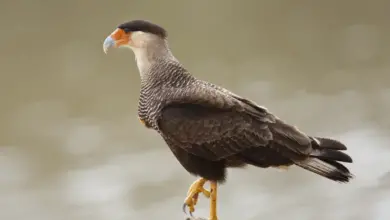
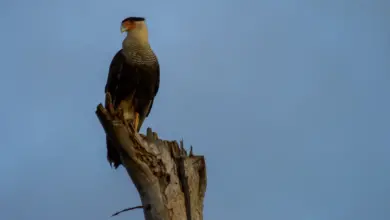
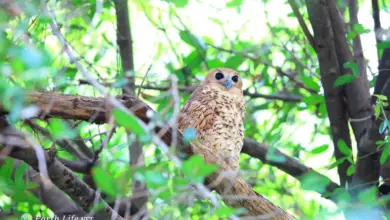
The subfamily Buteoninae comprises a diverse group of medium to large broad-winged birds of prey known for their exceptional hunting abilities and keen eyesight. These raptors are widely distributed across various continents, showcasing a remarkable range of adaptations that enable them to thrive in different habitats. Members of the Buteoninae are characterized by their powerful build, strong hooked beaks, and sharp talons, all essential tools for capturing and subduing prey.
Buteoninae includes several genera and nearly 70 species, ranging from the familiar North American buteonine hawks and European buzzards to the impressive Harpy Eagles of the tropical rainforests. This subfamily plays a crucial role in ecosystems as apex predators and indicators of environmental health.
Physical Characteristics
Buteoninae birds generally exhibit broad wings and robust bodies, which allow for soaring flight and agile hunting techniques. Their wingspans can vary significantly, with some smaller hawks having wingspans around 90 cm (35 inches), while larger eagles such as the Martial Eagle (Polemaetus bellicosus) can reach wingspans exceeding 2 meters (6.5 feet).




All members possess a large, strong beak with a distinctive hook at the tip, ideal for tearing flesh. Their legs are muscular and equipped with powerful talons to grasp and immobilize prey effectively. The keen eyesight of Buteoninae species is among the most acute in the animal kingdom, enabling them to detect prey from great distances while soaring high above the ground.
Plumage varies widely across species, from the dark and striking Black-chested Buzzard-eagle (Geranoaetus melanoleucus) to the more muted tones of the Grey Hawks (Leucopternis spp.). Some species, such as the Harris’s Hawk (Parabuteo unicinctus), display unique social behaviors accompanied by distinctive plumage patterns.
Behavior
Buteoninae raptors exhibit a range of behaviors adapted to their environments and hunting styles. Many species are solitary hunters, soaring high to scan for prey before diving swiftly to capture it. Others, like the Harris’s Hawk, demonstrate cooperative hunting, working in groups to flush out and capture prey more efficiently. This social hunting is rare among raptors and highlights the behavioral diversity within the subfamily.
Territorial behavior is common, with individuals or pairs guarding nesting and hunting areas aggressively against intruders. During the breeding season, courtship displays often include aerial acrobatics, vocalizations, and the presentation of prey by males to females.
Habitat and Distribution
Buteoninae birds inhabit a wide range of habitats, including forests, grasslands, deserts, wetlands, and mountainous regions. Their adaptability allows them to occupy environments from the Arctic tundra to tropical rainforests.
Geographically, Buteoninae are distributed across North and South America, Europe, Asia, and Africa. For example, the genus Buteo includes species such as the Red-tailed Hawk (Buteo jamaicensis) widespread across North America, while the Buzzards of Europe (also Buteo species) occupy a variety of habitats from woodlands to open fields.
Some species have highly specialized habitats, such as the Philippine Eagle (Pithecophaga jefferyi), which dwells in dense tropical forests and is adapted for life in the canopy. Others, like the Black-collared Hawk (Busarellus nigricollis), are associated with wetlands and riverine environments.
Diet and Feeding
Buteoninae raptors are carnivorous predators with diets that vary depending on their size, habitat, and prey availability. Most species hunt small to medium-sized vertebrates, including mammals, birds, reptiles, and amphibians. Some also take large insects and carrion.
For example, the Harris’s Hawk primarily preys on small mammals, reptiles, and birds, often hunting cooperatively to improve success rates. The Crab-hawks (Buteogallus spp.) are known for feeding on crabs and other crustaceans, showcasing dietary specialization within the subfamily.
Some species, like the Sea Eagles (Haliaeetus spp.), are adept fishers, swooping down to snatch fish from water surfaces. The Philippine Eagle, one of the largest forest-dwelling raptors, preys on monkeys, flying lemurs, and other arboreal mammals.
Reproduction
Reproductive strategies vary among Buteoninae species but generally involve the construction of large nests made of sticks, often situated in tall trees, cliffs, or other high vantage points. Both parents typically share incubation duties and feeding of the young.
Egg clutches usually consist of one to three eggs, with incubation periods ranging from 30 to 45 days depending on the species. The young are altricial, hatching blind and helpless, requiring extended parental care before fledging.
Some species, such as the Crested Hawk-eagles (Spizaetus spp.), nest in remote forest areas, while others like the widespread Red-tailed Hawk build nests in urban areas, demonstrating adaptability to human presence.
Ecological Role
Buteoninae birds serve as apex and mesopredators in their ecosystems, playing a vital role in controlling populations of small mammals, reptiles, and other prey species. By regulating prey populations, they help maintain ecological balance and prevent overgrazing or overpopulation of certain species.
As bioindicators, Buteoninae raptors are sensitive to environmental changes such as habitat loss, pollution, and climate change, making their presence and population trends valuable for monitoring ecosystem health.
Conservation Status
Many Buteoninae species face threats from habitat destruction, persecution, pesticide use, and human disturbance. For example, the Philippine Eagle is critically endangered due to deforestation and habitat fragmentation. Similarly, the Harpy Eagle (Harpia harpyja) is near threatened because of habitat loss.
Conservation efforts include habitat protection, captive breeding programs, and legal protections against hunting and trade. Organizations worldwide are working to preserve critical habitats and raise awareness about the importance of these raptors.
Conversely, some species like the Red-tailed Hawk and the Buzzard (Buteo buteo) have stable or increasing populations due to their adaptability and wide distribution.
Interesting Facts
- Keen Eyesight: Buteoninae raptors have eyesight estimated to be 4 to 8 times sharper than that of humans, enabling them to spot prey from over a mile away.
- Social Hunters: The Harris’s Hawk is one of the few raptor species known to hunt cooperatively in groups, resembling the pack behavior seen in wolves.
- Record-Breaking Size: The Martial Eagle is among the largest eagles in Africa, capable of hunting prey as large as small antelopes and monkeys.
- Cultural Significance: Many Buteoninae species appear in indigenous folklore and symbolism, often representing power, freedom, and keen vision.
- Nesting Longevity: Some nests, particularly those of large eagles, are used and added to year after year, growing to impressive sizes over time.
- Flight Adaptations: Broad wings and strong muscles allow many Buteoninae to soar effortlessly for hours, conserving energy while searching for prey.
Genera and Representative Species
The subfamily Buteoninae encompasses numerous genera, each with unique species adapted to their specific ecological niches. Some notable genera include:
- Geranoaetus – Black-chested Buzzard-eagle (Geranoaetus melanoleucus)
- Buteo – Buteonine hawks or buzzards, with nearly 30 species widespread in North America and Europe
- Parabuteo – Harris’s Hawk (Parabuteo unicinctus) known for social hunting
- Buteogallus – Crab-hawks, including 5 species specialized in crustacean prey
- Busarellus – Black-collared Hawk (Busarellus nigricollis), a wetland specialist
- Leucopternis – Grey hawks, such as the Plumbeous Hawk (Leucopternis plumbea) and White Hawk (Leucopternis albicollis)
- Kaupifalco – Lizard Buzzard
- Butastur – Grasshopper Buzzard (Butastur rufipennis) and other species
- Harpyhaliaetus – Solitary Eagles, including the Crowned Solitary Eagle (Harpyhaliaetus coronatus)
- Morphnus – Crested Eagle
- Harpia – American Harpy Eagle
- Pithecophaga – Philippine Eagle
- Harpyopsis – New Guinea Harpy Eagle
- Oroaetus – Black-and-chestnut Eagle (Oroaetus isidori)
- Spizastur – Black-and-white Hawk-eagle (Spizastur melanoleucus)
- Spizaetus – Crested hawk-eagles, approximately 10 species
- Lophaetus – Long-crested Eagle (possibly a synonym of Ictinaetus)
- Stephanoaetus – Crowned Hawk-eagle
- Polemaetus – Martial Eagle
- “Hieraaetus” – Hawk-eagles (3 species, possibly part of Aquila)
- Aquila – True eagles, around 12 species, noted for their paraphyletic classification
- Ictinaetus – Black Eagle
- Haliaeetus – Sea-eagles and Brown Fish-eagles, 8 species
- Ichthyophaga