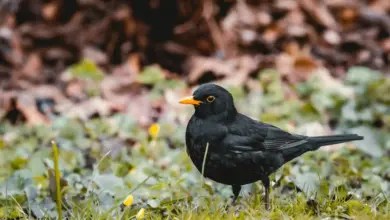
The Brown Bullfinch (Pyrrhula nipalensis) is a captivating but relatively elusive bird species belonging to the finch family. Found across various countries in Asia, this species inhabits dense montane forests where it remains somewhat inconspicuous due to its muted coloration and shy behavior. Despite its understated appearance, the Brown Bullfinch plays an important role in the ecosystems of temperate and subtropical highland forests, contributing to seed dispersal and forest regeneration. Birdwatchers and nature enthusiasts often find this species intriguing due to its distinct calls, social habits, and specialized diet, which reflect the unique ecological niches it occupies.
Scientific Classification
The Brown Bullfinch is classified scientifically as Pyrrhula nipalensis. It belongs to the family Fringillidae, which encompasses finches and their relatives, known for their conical bills adapted for seed eating. Within the genus Pyrrhula, the Brown Bullfinch is closely related to other bullfinch species such as the Eurasian Bullfinch (Pyrrhula pyrrhula). The genus name Pyrrhula is derived from the Greek word “pyrrhos,” meaning flame-colored, a reference to the bright plumage found in some bullfinch species, though the Brown Bullfinch itself is more subdued in coloration.
First described scientifically by Brian Houghton Hodgson in 1836, the Brown Bullfinch has retained its original taxonomic placement without significant subspecies differentiation, although some geographical variation exists across its broad range. The species’ classification is supported by morphological traits such as a stout bill specialized for seed consumption and its vocalizations, which are characteristic of the Pyrrhula genus.






Geographic Range & Distribution
The Brown Bullfinch is native to parts of South and Southeast Asia, with a distribution spanning several countries including Bhutan, China, India, Malaysia, Myanmar, Nepal, Pakistan, Taiwan, and Vietnam. This broad range reflects the species’ preference for montane forests, particularly in temperate and subtropical zones at elevations typically between 1,500 to 3,000 meters above sea level.
Within these countries, the Brown Bullfinch is primarily found in forested mountain regions such as the eastern Himalayas, parts of the Hengduan Mountains in China, and the montane forests of northern Vietnam and Taiwan. It favors habitats consisting of dense temperate broadleaf and coniferous forests, often mixed with rhododendrons and oak trees. The species also occupies subtropical or tropical moist montane forests, environments characterized by high humidity and significant rainfall, which support a rich diversity of plant life crucial for its diet and nesting.
Its presence is usually associated with well-preserved forest ecosystems, though it can sometimes be found in secondary growth or forest edges. Seasonal altitudinal movements occur in some parts of its range, where individuals descend to lower elevations during winter months in search of food and more favorable climatic conditions.
Physical Description
The Brown Bullfinch is a moderately small bird, measuring approximately 16.5 centimeters (6.5 inches) in length from bill to tail. It typically weighs between 30 to 40 grams (about 1 to 1.4 ounces), placing it within the mid-range size for finches. Its wingspan averages around 24 to 26 centimeters (9.5 to 10.2 inches), enabling agile flight through dense forest undergrowth.
Unlike some of its more brightly colored relatives, the Brown Bullfinch exhibits a subtle palette dominated by shades of brown and grey. The head, nape, and breast are a soft greyish tone, blending seamlessly with the bird’s brown back and wings. The underparts are generally paler, sometimes with a faint creamy wash. Its tail is short and rounded, typical of bullfinches, aiding in its maneuverability through trees and shrubs.
The bird’s stout, conical bill is dark and robust, perfectly adapted for cracking open seeds and nuts, a key feature of finches in general. The eyes are dark brown, set in a rounded head shape that enhances its alert and watchful expression. Sexual dimorphism is minimal in the Brown Bullfinch; males and females look quite similar, though males may exhibit slightly richer coloration during the breeding season.
Behavior & Diet
Brown Bullfinches are generally observed in pairs or small groups, which suggests social behavior beyond solitary foraging. These birds are relatively shy and secretive, often staying low within the forest canopy or mid-level understory. Their flight is direct and somewhat slow, with short bursts between perches.
Their diet is primarily granivorous, focusing on a variety of seeds and nuts. Notably, they feed on seeds from native conifers and broadleaf trees common to their montane habitats. This diet includes pine seeds, spruce seeds, and the seeds of rhododendrons and oaks. The strong, conical bill allows them to shell hard seeds efficiently, which many other birds cannot access. Besides seeds, Brown Bullfinches occasionally consume buds, berries, and small insects, especially during the breeding season when protein demands increase.
Feeding typically takes place in the early morning and late afternoon when the birds are most active. They forage both in the canopy and closer to the ground, moving deliberately and often returning to favored feeding spots. Vocalizations are soft and melodic, consisting of whistles and trills that facilitate communication within pairs and small groups. According to National Geographic, this species is well documented.
Breeding & Reproduction
The breeding biology of the Brown Bullfinch is not extensively documented due to its elusive nature and the inaccessibility of its preferred habitats. However, available observations suggest that the species breeds during the spring and early summer months, aligning with the seasonal abundance of food resources in montane forests. According to IUCN Red List, this species is well documented.
Brown Bullfinches build cup-shaped nests made of twigs, moss, and lichens, typically situated in dense shrubs or low tree branches to ensure concealment from predators. The female primarily constructs the nest and incubates the eggs, while the male contributes by feeding the female and defending the territory.
Clutch size generally ranges from three to five eggs, which are pale with reddish-brown speckles. The incubation period lasts approximately 12 to 14 days, after which the altricial chicks hatch blind and helpless. Both parents participate in feeding the young, providing a diet rich in seeds and insects to support rapid growth. Fledging occurs around three weeks after hatching, with juveniles remaining dependent on their parents for some time before dispersing.
Conservation Status
The International Union for Conservation of Nature (IUCN) currently lists the Brown Bullfinch as a species of Least Concern. This status reflects its relatively wide distribution across several countries and the absence of major widespread threats causing rapid population declines. However, localized pressures exist, primarily habitat loss due to deforestation, logging, and land conversion for agriculture, which threaten the quality and extent of its montane forest habitats.
Conservation actions are indirectly benefiting the Brown Bullfinch in regions where protected areas encompass its habitats, such as national parks and wildlife reserves in the Himalayas and parts of Southeast Asia. Continued forest conservation, alongside monitoring of population trends, is essential to ensure long-term survival. Additionally, more research into its ecology and breeding biology would help sharpen conservation strategies.
Interesting Facts
Despite its name, the Brown Bullfinch does not display the vibrant red plumage typical of some bullfinches, such as the Eurasian Bullfinch. Instead, its understated brown and grey coloring provides excellent camouflage in forest environments, helping it avoid predators. This cryptic coloration is an adaptation to its preference for dense forests rather than open habitats.
Another fascinating aspect of the Brown Bullfinch is its specialized diet focusing on conifer seeds. Many finches favor a broad range of seeds and insects, but the Brown Bullfinch’s adaptation to feed heavily on hard seeds from native conifers gives it a niche advantage in montane ecosystems. This diet also means the species plays a role in seed dispersal and forest regeneration, contributing to the health of its habitat.
Brown Bullfinches are also known for their soft, melodious calls, which stand out in the quiet forest environment. Their vocalizations are less harsh than those of some other finches, making them a pleasant species for birdwatchers hoping to hear a variety of sounds in montane forests.
Lastly, the bird’s preference for higher elevations means it can be an indicator species for montane forest health. Changes in its population or distribution might signal broader environmental shifts, such as climate change or habitat degradation.
In summary, the Brown Bullfinch (Pyrrhula nipalensis) is a subtle yet ecologically important bird species inhabiting the montane forests of Asia. Its modest appearance belies a fascinating life history intertwined with the health and diversity of high-elevation forest ecosystems. For birdwatchers and nature enthusiasts, spotting a Brown Bullfinch offers a glimpse into the complex web of life thriving above the plains and valleys below.