The Broad-tailed Hummingbird is a captivating species that enchants birdwatchers and nature enthusiasts throughout its range in western North America. Known for its distinctive broad tail and vibrant iridescent plumage, this medium-sized hummingbird is a remarkable example of the diversity and beauty within the hummingbird family. Beyond its striking appearance, the Broad-tailed Hummingbird exhibits fascinating behaviors and adaptations tailored to its mountainous habitats. This article delves into the species’ taxonomy, physical characteristics, behavior, and conservation status to provide a comprehensive understanding of this remarkable bird.
Scientific Classification
The Broad-tailed Hummingbird is scientifically known as Selasphorus platycercus, placing it within the family Trochilidae, which encompasses all hummingbirds. The genus Selasphorus includes several other small to medium-sized hummingbird species primarily distributed in North and Central America. The name platycercus derives from Greek words meaning “broad tail,” a defining characteristic of this species. First described by John Gould in 1850, the Broad-tailed Hummingbird is one of several species in the genus that display distinct sexual dimorphism, where males and females differ in plumage coloration and tail shape. This species is closely related to other members of the genus such as the Rufous Hummingbird (Selasphorus rufus) and Allen’s Hummingbird (Selasphorus sasin), sharing similar body sizes but differing in coloration and habitat preferences.
Geographic Range & Distribution
The Broad-tailed Hummingbird is primarily found in western North America, with a range that extends from the southwestern United States through much of the Rocky Mountain region and into parts of Mexico. Its breeding range includes states such as Colorado, New Mexico, Utah, Arizona, and Wyoming, where it favors montane forests, meadows, and shrublands at elevations typically between 5,000 and 11,000 feet (1,500 to 3,350 meters). During the winter months, this species migrates southward to Mexico, particularly to the highlands of central Mexico, including states like Oaxaca and Veracruz. The species is well adapted to cooler mountain environments and is often observed near flowering plants in clearings, forest edges, and riparian zones.


Within its range, the Broad-tailed Hummingbird often overlaps with the ranges of similar species such as the Rufous Hummingbird and the Calliope Hummingbird (Stellula calliope), which can sometimes complicate identification for birdwatchers. However, its preference for higher elevation habitats and specific tail morphology aid in distinguishing it from these congeners. The species is considered migratory, with individuals traveling considerable distances between breeding and wintering grounds, demonstrating impressive navigational skills characteristic of hummingbirds.
Physical Description
The Broad-tailed Hummingbird measures approximately 4 to 4.5 inches (10 to 11.4 cm) in length, including its notably broad and rounded tail. It has a wingspan of about 5 inches (12.7 cm) and weighs between 0.1 and 0.14 ounces (2 to 4 grams), making it a medium-sized hummingbird species. Males generally weigh slightly less, averaging around 0.11 ounces (3.16 grams), while females tend to be a bit larger, averaging approximately 0.13 ounces (3.6 grams).
Both sexes exhibit iridescent green upperparts with a white chest, but sexual dimorphism is pronounced. The male Broad-tailed Hummingbird is distinguished by its brilliant metallic green head and back, and a striking rosy-red gorget— the throat patch— that shimmers vividly under sunlight, a key feature during courtship displays. The male’s tail feathers are broad and rounded, often showing rusty coloration along the edges, which sets it apart visually. Additionally, males have a distinctive white line that extends from the chin, passing under the eye to the neck, enhancing facial contrast.
In contrast, females exhibit more subdued coloring. Their upperparts are glossy green, but their underparts range from whitish to pale orange-brown, with scattered iridescent green or bronze speckles on the throat and upper chest. Their tails are longer than those of males and project beyond the wing tips, featuring green central feathers and outer tail feathers that are rusty at the base, black in the middle, and white-tipped. This tail pattern is a useful field mark for identification. Immature birds resemble females but often show more prominent spotting on the throat, indicating their juvenile status.
One of the Broad-tailed Hummingbird’s unique physical traits is its perching posture. When resting, these hummingbirds often hold their wings elevated above the tail, a posture that aids in species identification. Their bills are long, slender, mostly straight, and black, perfectly adapted for accessing nectar deep within tubular flowers. The species’ eyes are dark brown to black, complementing their vibrant plumage.
Behavior & Diet
Broad-tailed Hummingbirds are known for their energetic and agile flight, capable of rapid hovering and impressive aerial maneuvers. Males are especially active during the breeding season, performing elaborate courtship displays that include rapid dives and a distinctive wing-produced trilling sound, created by the vibration of their wing feathers during flight. This buzzing trill is unique to the species and plays a crucial role in attracting females and defending territories.
Like all hummingbirds, the Broad-tailed Hummingbird’s diet primarily consists of nectar from a variety of flowering plants. They favor tubular flowers from species such as penstemons, columbines, and honeysuckles, which provide rich sources of sugar to fuel their high metabolism. In addition to nectar, these hummingbirds consume small insects and spiders, which supply essential proteins and nutrients. They catch insects either by hawking—catching prey mid-air—or gleaning them from leaves and spider webs.
Broad-tailed Hummingbirds are highly territorial, especially males during the breeding season, vigorously defending rich nectar sources and nesting areas from rivals and other hummingbirds. They use their distinctive trilling calls and aggressive chasing behaviors to maintain control over their feeding territories. Outside the breeding season, they may be more tolerant of other hummingbirds sharing feeding areas, especially during migration or in wintering grounds. According to Cornell Lab of Ornithology, this species is well documented.
Breeding & Reproduction
Breeding occurs mainly during the spring and summer months, typically from May through July, coinciding with the peak flowering season in montane habitats. The male Broad-tailed Hummingbird establishes and defends a territory rich in nectar-producing flowers, where he performs his courtship displays to attract females. Females select mates based on display quality and territory suitability before proceeding to nest building. According to BirdLife International, this species is well documented.
The female is solely responsible for nest construction and incubation. She builds a small, cup-shaped nest using soft plant fibers, moss, and spider silk, which she binds carefully to twigs or branches, usually 6 to 20 feet above the ground in shrubs or small trees. The use of spider silk allows the nest to stretch as the chicks grow. The exterior is often camouflaged with bits of lichen and bark to blend with the surroundings.
Females typically lay two tiny white eggs, each measuring about 0.6 inches (1.5 cm) in length. Incubation lasts approximately 14 to 16 days, during which the mother rarely leaves the nest. After hatching, the chicks remain in the nest for about three weeks before fledging. During this period, the female feeds the young a diet of regurgitated nectar and small insects. The species generally produces one brood per year, though in some favorable conditions, a second brood may occur.
Conservation Status
The Broad-tailed Hummingbird is currently classified as Least Concern by the International Union for Conservation of Nature (IUCN), reflecting a stable population trend across its range. This status indicates that, at present, the species does not face immediate threats of extinction. Its widespread distribution and ability to thrive in a variety of montane habitats contribute to its resilience.
However, like many hummingbird species, the Broad-tailed Hummingbird may be vulnerable to habitat loss and climate change. The degradation of montane forest habitats due to logging, urban development, and agriculture can reduce available nesting and feeding sites. Additionally, changes in climate patterns could impact flowering times of key nectar sources, potentially affecting food availability during critical breeding and migratory periods. Conservation efforts focused on preserving mountainous ecosystems and promoting native flowering plants can help support Broad-tailed Hummingbird populations.
Interesting Facts
The Broad-tailed Hummingbird possesses several intriguing traits that set it apart from other hummingbirds. One of the most remarkable is the male’s aerial display during courtship, which includes a unique wing trill produced by specialized tail feathers and wing vibrations. This sound can be heard from a considerable distance and is often the first clue to the presence of a male during mating season.
Another fascinating aspect is the species’ remarkable migratory endurance. Despite their small size, Broad-tailed Hummingbirds undertake seasonal migrations spanning hundreds of miles, navigating complex mountain terrains and variable weather conditions. They are among the few hummingbird species adapted to survive and breed at relatively high elevations, enduring cooler temperatures and thinner air.
In addition, their territorial behavior is quite pronounced compared to some other hummingbirds. Males aggressively defend feeding territories with persistent chasing and vocalizations, ensuring exclusive access to nectar resources. Birdwatchers often observe dramatic aerial chases between males, showcasing their agility and stamina.
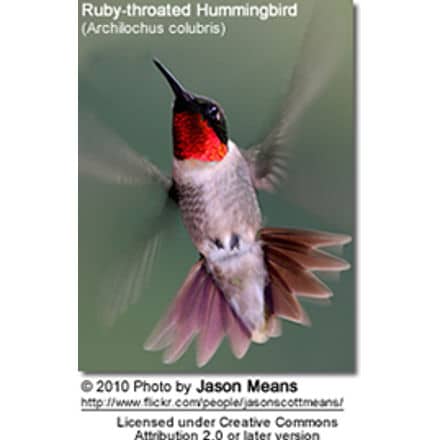
Finally, the species’ tail morphology is a key identification feature. The broad, rounded tail with rusty and white patterning contrasts with the more forked tails of similar species such as the Ruby-throated Hummingbird (Archilochus colubris), which occurs primarily in eastern North America. This difference assists in field identification, especially in areas where ranges overlap.
In summary, the Broad-tailed Hummingbird is a vibrant and resilient species that embodies the wonders of mountainous ecosystems in western North America. Its striking appearance, engaging behaviors, and ecological importance make it a favorite among birdwatchers and a subject of ongoing study and conservation.