The Barbados Bullfinch (Loxigilla barbadensis) is a distinctive small bird native exclusively to the island of Barbados in the eastern Caribbean. As the only endemic bird species of Barbados, it holds a unique place in the island’s natural heritage. Despite its common name, the Barbados Bullfinch is not a true bullfinch but belongs to a group of birds known as seedeaters, which are part of the tanager family. Known for its adaptability and relatively plain yet charming appearance, this bird is a familiar sight to locals and visitors alike, thriving in a variety of habitats across the island.
Scientific Classification
The Barbados Bullfinch is classified scientifically as Loxigilla barbadensis. It falls within the family Thraupidae, which is the tanager family, a large and diverse group of small to medium-sized passerine birds predominantly found in the Americas. Historically, the Barbados Bullfinch was considered a subspecies of the Lesser Antillean Bullfinch (Loxigilla noctis), which inhabits several neighboring islands in the Lesser Antilles. However, recent taxonomic revisions have elevated it to full species status based on distinct genetic, morphological, and vocal differences.
It is important to clarify that although called a “bullfinch,” the Barbados Bullfinch is not related to the Eurasian bullfinches of the family Fringillidae. Instead, it is part of the tanager group, which includes a wide variety of colorful and often seed-eating birds native to tropical regions of the Americas. The genus Loxigilla comprises several species distributed throughout the Caribbean, each adapted to their specific island environments.


Geographic Range & Distribution
The Barbados Bullfinch is endemic to Barbados, meaning it is found nowhere else in the world. This small island, located in the eastern Caribbean Sea, provides the sole natural habitat for this species. Despite its limited geographic range, the Barbados Bullfinch is widespread across the island and occupies a variety of environments.
The bird is highly adaptable and inhabits diverse habitats including coastal scrub, dry woodland, gardens, urban parks, and forest edges. It is commonly seen in residential areas and even adapts well to human-altered landscapes, which is somewhat unusual for an endemic island species. This adaptability has allowed the Barbados Bullfinch to thrive despite the pressures of habitat alteration and urban development on the island.
Within Barbados, the species is generally common and can be observed in lowlands as well as in hilly interior regions, although it tends to prefer areas with accessible shrubs and trees that provide cover and nesting sites. Unlike many island birds that are restricted to pristine habitats, the Barbados Bullfinch’s ability to exploit secondary growth and suburban areas contributes to its stable population.
Physical Description
The Barbados Bullfinch is a small passerine bird measuring between 14 and 15 centimeters (approximately 5.5 to 6 inches) in length, with an average weight of about 20 to 25 grams. Its wingspan ranges around 22 to 25 centimeters, typical for birds of its size. The bird’s body shape is compact with a short, stout bill adapted for seed eating.
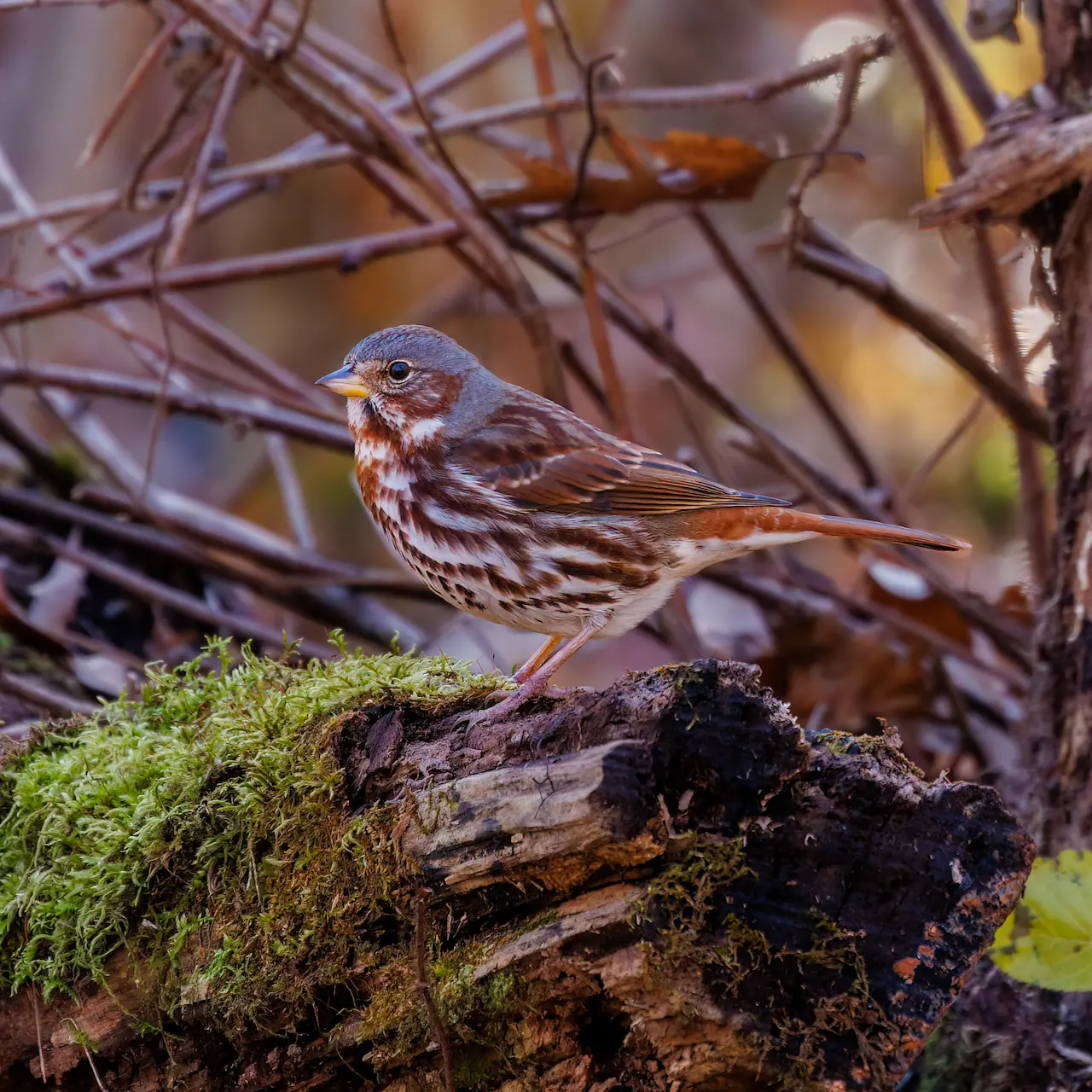
In terms of plumage, the Barbados Bullfinch exhibits subtle yet distinctive coloring. Its upperparts are predominantly a dark olive-grey, providing excellent camouflage among the foliage. The wings are mostly brown with some darker feather edging, while the underparts are a softer grey, blending into the tawny coloration of the undertail coverts. This muted color palette makes it less conspicuous in its natural habitat compared to more brightly colored Caribbean birds.
One notable feature of this species is the lack of sexual dimorphism; males and females look remarkably similar, which is relatively uncommon among many bird species where males often display more vivid colors. Juvenile birds, however, may have slightly duller plumage than adults until their first molt. The Barbados Bullfinch’s bill is short, thick, and conical, perfectly suited for cracking seeds, which constitute a major part of its diet.
The bird’s vocalizations include a variety of calls such as simple twittering notes, occasional harsh or petulant sounds, and sharp trills. These calls serve functions ranging from communication between mates and warning of danger to territorial displays.
Behavior & Diet
The Barbados Bullfinch is primarily a ground and low-shrub forager, often seen hopping among leaf litter or perching on low branches in search of food. Its diet is varied but is dominated by seeds, reflecting its classification as a seedeater. The stout conical beak is an adaptation that allows the bird to efficiently crack open seeds from a range of native and introduced plants.
In addition to seeds, the Barbados Bullfinch supplements its diet with small fruits, berries, nectar, and insects, particularly during the breeding season when protein demands increase. This omnivorous diet helps ensure year-round food availability, contributing to the species’ survival in a relatively small and changing environment.
Socially, the Barbados Bullfinch tends to be seen singly or in pairs but can sometimes form small groups, especially outside the breeding season. It is territorial during nesting periods, defending its chosen area from intruders. The bird’s adaptability to human presence means it is often observed in gardens and parks, where it may even forage near people.
Flight is typically low and direct, with quick wingbeats. The bird is not known for long-distance flights, as its small island habitat limits the need for extensive movements. According to Cornell Lab of Ornithology, this species is well documented.
Breeding & Reproduction
The breeding season for Barbados Bullfinches usually coincides with the warmer, wetter months of the year, typically from April through August. During this period, males and females engage in courtship behaviors that include vocalizations and mutual preening. According to RSPB, this species is well documented.
The species constructs a distinctive globular nest with a side entrance, a design that provides protection from predators and the elements. These nests are typically built in dense shrubs or small trees, often in areas with thick undergrowth. The nest’s woven structure is composed of grass, twigs, roots, and other plant fibers, showcasing the bird’s skill in utilizing available natural materials.
Females lay between two and three eggs per clutch. The eggs are small and oval-shaped, with a background color of white or cream marked by brown or reddish spots and blotches, which help camouflage them within the nest. Incubation lasts approximately 12 to 14 days, during which the female primarily incubates the eggs while the male may assist with feeding her or defending the nesting territory.
After hatching, the chicks are altricial, meaning they are born blind and helpless, relying entirely on their parents for warmth and food. Both parents participate in feeding the young, providing a diet rich in insects and soft fruits to support rapid growth. The fledging period lasts about two to three weeks, after which the juveniles gain independence but may linger near their parents for some time before dispersing.
Conservation Status
The International Union for Conservation of Nature (IUCN) currently lists the Barbados Bullfinch as a species of Least Concern. This relatively reassuring status reflects the bird’s stable population and adaptability to human-modified environments on Barbados. Unlike many island endemics, which suffer from habitat loss, invasive species, or limited range, the Barbados Bullfinch has demonstrated resilience.
Nonetheless, the species faces potential threats common to island birds, including habitat degradation due to urban expansion, invasive predators such as rats and cats, and the occasional impact of extreme weather events like hurricanes. Conservation efforts on Barbados focus on habitat preservation and public education to maintain healthy populations of native wildlife, including the Barbados Bullfinch.
Its presence in both protected areas and urban gardens highlights the importance of maintaining a mosaic of habitats on the island. Continued monitoring is essential to ensure the species remains secure, especially as human activities and climate change continue to influence island ecosystems.
Interesting Facts
One of the most intriguing aspects of the Barbados Bullfinch is its unique status as the only endemic bird species on Barbados. This exclusivity makes the species a symbol of the island’s natural heritage and a favorite among birdwatchers and photographers visiting the region.
Despite its name, the Barbados Bullfinch’s closest relatives are actually other seedeaters in the Caribbean, rather than the true bullfinches found in Europe and Asia. The misnomer likely stems from early European settlers who named various birds based on superficial similarities rather than genetic relationships.
The bird’s adaptability to urban environments is notable. It frequently visits backyard feeders and is known to be relatively tame, allowing close observation by humans. This behavior contrasts with many island birds, which can be shy or sensitive to disturbance.
Barbados Bullfinches have been observed exhibiting a range of vocalizations, some of which vary slightly between individuals, hinting at a degree of vocal learning or regional dialects, although detailed studies on their communication are limited.
Finally, the species plays an important ecological role in Barbados by aiding in seed dispersal and insect population control, contributing to the health and diversity of the island’s ecosystems.
In conclusion, the Barbados Bullfinch is a resilient, adaptable, and ecologically significant species uniquely tied to the island of Barbados. Its modest appearance belies its importance as a symbol of the island’s biodiversity and a testament to the richness of Caribbean avifauna. Observing this bird offers a glimpse into the intricate balance of island ecosystems and the marvels of evolution in isolated environments.