The order Hemiptera, commonly known as the “true bugs,” represents one of the most diverse and ecologically successful groups of insects on Earth. Characterized by their unique mouthparts adapted for piercing and sucking, Hemiptera encompasses a vast array of species that occupy nearly every terrestrial and freshwater habitat worldwide. With over 80,000 described species and likely many more yet to be discovered, this order is a fascinating example of evolutionary adaptability and ecological significance. From tiny aphids barely a millimeter long to large cicadas with wingspans exceeding 10 centimeters, true bugs exhibit an incredible range of forms, behaviors, and life histories.
Scientific Classification
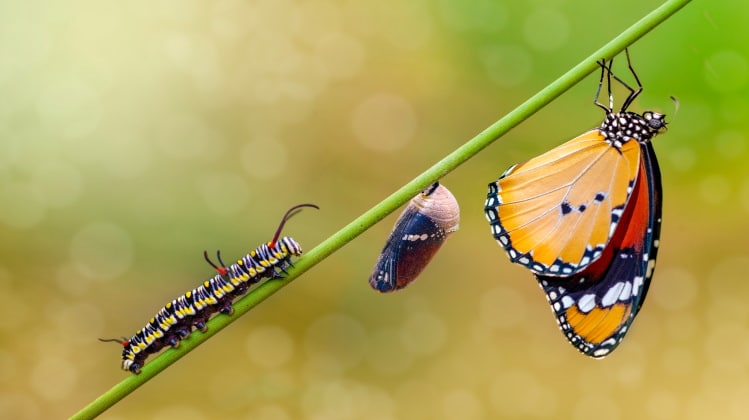
The order Hemiptera falls within the class Insecta and is part of the hemimetabolous insects, meaning they undergo incomplete metamorphosis. Their development includes egg, nymph, and adult stages, with nymphs resembling miniature wingless adults. Traditionally, Hemiptera was divided into two main groups: the Heteroptera (true bugs in the strict sense) and the Homoptera (including aphids, cicadas, and related insects). However, modern phylogenetic studies have led to a more refined classification. Today, Hemiptera is commonly divided into three suborders: Sternorrhyncha (aphids, whiteflies, scale insects), Auchenorrhyncha (cicadas, leafhoppers, planthoppers), and Heteroptera (stink bugs, assassin bugs, water striders).
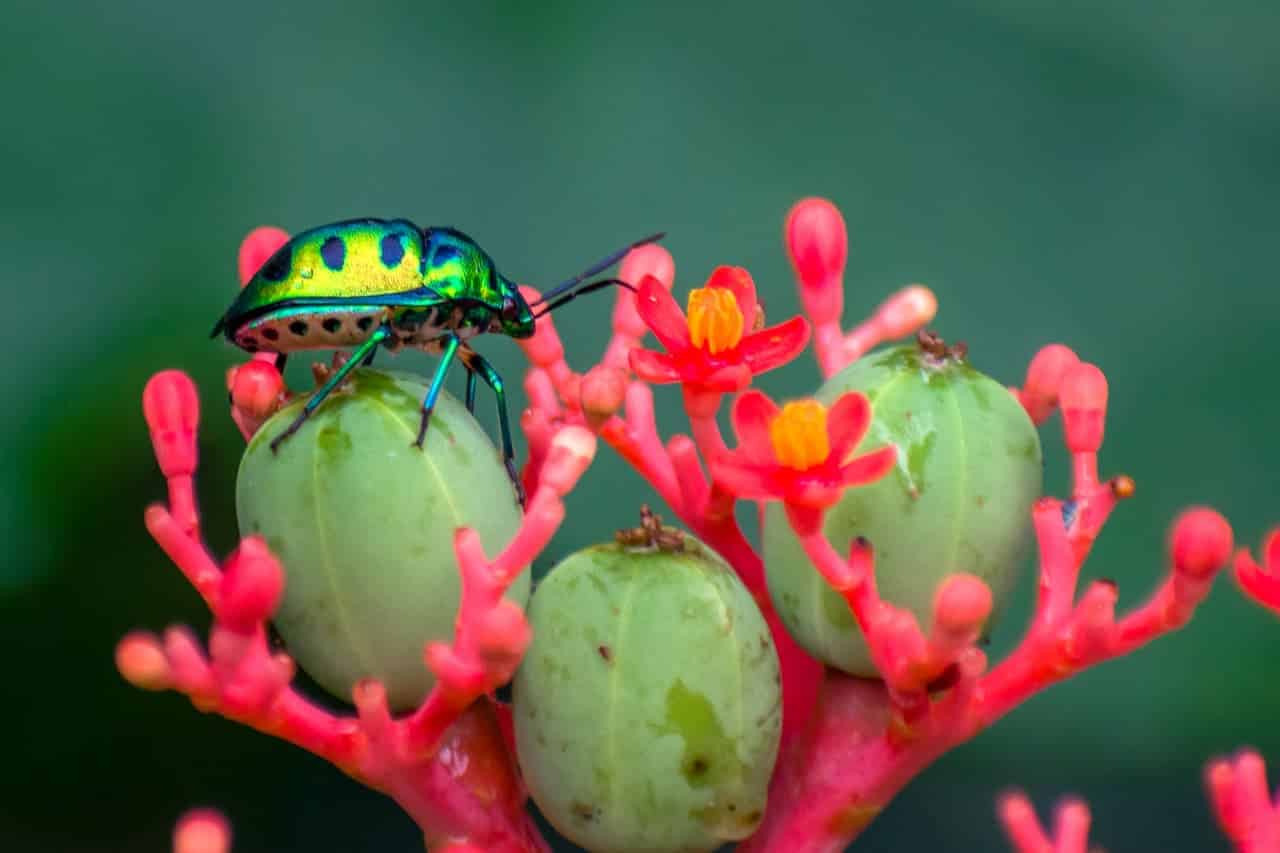
The suborder Sternorrhyncha is characterized by often sedentary lifestyles and includes many important agricultural pests such as aphids (family Aphididae) and scale insects (superfamily Coccoidea). Auchenorrhyncha members are generally more mobile, with powerful jumping hind legs, and include cicadas (family Cicadidae), which are famous for their loud mating calls. The Heteroptera suborder is highly diverse, including predatory, herbivorous, and aquatic species, often recognized by their characteristic hemelytra—forewings that are hardened near the base but membranous at the tips.
Geographic Range & Distribution
True bugs are found on every continent except Antarctica, inhabiting a wide variety of ecosystems ranging from tropical rainforests and temperate woodlands to deserts and freshwater environments. Their distribution is truly global. Of the approximately 80,000 described species, about 11,000 are native to North America, 5,600 species have been recorded in Australia, and roughly 1,600 species are found in the United Kingdom. Many species have adapted to specialized niches, allowing Hemiptera to thrive in both terrestrial and aquatic habitats.
Aquatic true bugs, such as water striders (family Gerridae) and backswimmers (family Notonectidae), occupy ponds, streams, and even some marine environments. Terrestrial species can be found on plants, in soil, or under bark. Some, particularly aphids and scale insects, have close associations with specific host plants, and their distribution is often tied to the ranges of these plants. Others, like predatory assassin bugs (family Reduviidae), roam freely in search of prey. The adaptability of Hemiptera to diverse climates and habitats underscores their evolutionary success and ecological importance worldwide.
Physical Description
True bugs display remarkable variation in size and form, ranging from tiny aphids measuring just 1 millimeter in length to cicadas with wingspans reaching up to 11 centimeters. One of the defining physical features of Hemiptera is their specialized mouthparts. The mandibles and maxillae are modified into two pairs of slender, needle-like stylets housed within a flexible sheath formed by the labium. This piercing-sucking apparatus allows them to extract fluids from plants, animals, or other insects, depending on the species.
Most Hemipterans have antennae composed of four to five segments, and many possess three simple eyes called ocelli alongside their large, compound eyes, which provide excellent vision. The body shape varies widely: stink bugs (family Pentatomidae) are usually shield-shaped and robust, while aphids are soft-bodied and pear-shaped. Wing structure is another key distinguishing trait. Heteropterans often have hemelytra—forewings that are leathery or hardened near the base and membranous at the tips—held flat and overlapping on the back. In contrast, members of Sternorrhyncha and Auchenorrhyncha suborders usually have uniformly membranous or fully sclerotized wings held tent-like over the body.
Coloration ranges from cryptic browns and greens that help them blend into foliage to bright warning colors in predatory or toxic species. Some aquatic species possess hydrophobic hairs on their legs, enabling them to walk on water surfaces. Overall, the morphological diversity within Hemiptera reflects their wide range of lifestyles and ecological roles.
Behavior & Diet
The behavior and diet of Hemiptera are as diverse as their forms. Most species are phytophagous, feeding on plant sap, while others are predatory or parasitic. Plant-feeding true bugs use their piercing mouthparts to tap into phloem or xylem vessels, extracting nutrient-rich fluids. Aphids, for example, feed mainly on phloem sap and are notorious agricultural pests due to their rapid reproduction and ability to transmit plant viruses. Similarly, scale insects and whiteflies are important crop pests worldwide.
Predatory Hemiptera, including assassin bugs and some water bugs, use their sharp rostrum to inject toxic saliva into prey insects, liquefying their tissues for consumption. These predators play vital roles in controlling pest populations in natural and agricultural ecosystems. Aquatic true bugs such as backswimmers and giant water bugs (family Belostomatidae) are formidable hunters, preying on tadpoles, small fish, and insect larvae.
Behaviorally, many true bugs exhibit interesting adaptations. Cicadas are famous for their synchronized emergences and loud mating calls produced by specialized tymbals. Some aphids produce honeydew, a sugary excretion that attracts ants, which in turn protect them from predators—a mutualistic relationship known as myrmecophily. Additionally, certain stink bugs release pungent chemicals as a defense against predators, earning their name.
Breeding & Reproduction
Hemiptera reproduce sexually, with females laying eggs on or near host plants, in soil, or in aquatic environments depending on the species. The number of eggs and reproductive strategies vary widely. Aphids can reproduce both sexually and asexually through parthenogenesis, allowing rapid population growth under favorable conditions. This reproductive flexibility has contributed to their success as agricultural pests. According to iNaturalist, this species is well documented.
Development follows hemimetabolous metamorphosis, meaning the immature nymph stages resemble adults but lack fully developed wings and reproductive organs. Nymphs molt several times before reaching maturity. The duration of the life cycle can range from a few weeks to several years, as in some periodical cicadas (Magicicada spp.) that emerge synchronously every 13 or 17 years. According to Bug Guide, this species is well documented.
Some aquatic Hemiptera, such as backswimmers and giant water bugs, exhibit parental care. For example, male giant water bugs carry eggs on their backs until they hatch, a rare behavior among insects. These diverse reproductive strategies highlight the adaptability of Hemiptera to various environmental pressures.
Conservation Status
While many Hemiptera species are abundant and widespread, some face threats from habitat loss, pollution, and climate change. Due to their immense diversity, only a small fraction of true bugs have been evaluated for conservation status. The International Union for Conservation of Nature (IUCN) Red List includes a few Hemiptera species, but most remain unassessed.
Certain specialist species, particularly those dependent on rare host plants or habitats, may be vulnerable. For instance, some endemic cicadas with restricted ranges are at risk due to deforestation and habitat fragmentation. In freshwater systems, pollution and water quality degradation threaten aquatic Hemiptera. Conversely, many species benefit from disturbed habitats and human-altered landscapes, sometimes becoming pests.
Overall, maintaining healthy ecosystems and host plant diversity is crucial for conserving Hemiptera biodiversity. Their roles as herbivores, predators, and prey make them integral components of terrestrial and aquatic food webs, emphasizing the importance of protecting their habitats.
Interesting Facts
True bugs have fascinated naturalists and scientists for centuries due to their unique biology and ecological roles. One of the most remarkable groups, cicadas, produce some of the loudest insect calls, with sound pressure levels reaching up to 120 decibels, comparable to a rock concert. The synchronized emergences of periodical cicadas are one of nature’s most spectacular phenomena.
Another intriguing fact involves the defensive chemistry of stink bugs. When threatened, they release foul-smelling compounds from specialized glands to deter predators. Some species’ secretions are potent enough to cause irritation to human skin and mucous membranes.
Hemiptera also display fascinating symbiotic relationships. Many sap-feeding species harbor bacterial endosymbionts that provide essential amino acids lacking in their nutrient-poor diets. These mutualisms are vital for the bugs’ survival and have evolved over millions of years.
Lastly, the ecological versatility of Hemiptera cannot be overstated. From agricultural pest species impacting food security to beneficial predatory bugs used in biological control, true bugs play multifaceted roles in ecosystems and human economies alike. Their diverse forms, behaviors, and interactions continue to make Hemiptera a captivating subject for study and observation.
In conclusion, the order Hemiptera embodies an extraordinary group of insects distinguished by their piercing-sucking mouthparts, vast diversity, and ecological significance. Their global distribution, wide range of diets and behaviors, and complex life cycles reflect millions of years of successful adaptation. Whether silently feeding on plant sap, producing chorus-like mating songs, or acting as nature’s pest controllers, true bugs remain an essential and fascinating component of the Earth’s biodiversity.