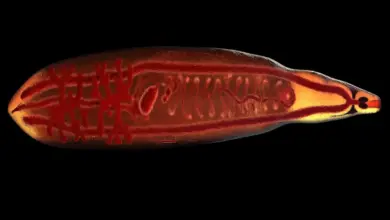
The Cephalochordata represent a fascinating and ancient subphylum of marine animals commonly known as lancelets. These small, fish-like creatures, typically measuring between 5 and 10 centimeters in length, hold a special place in the evolutionary history of chordates due to their retention of key ancestral features. Despite their modest size and simple appearance, lancelets have intrigued biologists for centuries because they exhibit all four hallmark characteristics of the phylum Chordata—a dorsal nerve cord, a notochord, pharyngeal gill slits, and a post-anal tail—throughout their entire adult life. This unique combination has made them invaluable for understanding the early evolution of vertebrates. Currently, there are about 30 recognized species within this subphylum, mostly classified under the class Leptocardii. Lancelets are exclusively marine, inhabiting shallow coastal waters around the world, where they spend most of their lives partially buried in sand or mud.
Scientific Classification
The subphylum Cephalochordata belongs to the phylum Chordata, which also includes vertebrates (animals with backbones) and tunicates (sea squirts). Within Cephalochordata, lancelets are grouped under the class Leptocardii. The most well-known genus is Branchiostoma, which includes species such as Branchiostoma lanceolatum, found in European coastal waters, and Branchiostoma virginiae, native to the eastern coast of North America. Unlike vertebrates, cephalochordates lack a true backbone or cranium but maintain the notochord, a flexible rod-like structure that supports the body and serves as a primitive axial skeleton. This notochord is present throughout life, differentiating them from vertebrates where it is replaced by the vertebral column during development. The subphylum is sometimes considered a sister group to vertebrates due to shared developmental and anatomical features.
Geographic Range & Distribution
Lancelets are globally distributed in shallow marine environments, primarily in temperate and tropical coastal waters. They inhabit sandy or muddy substrates where they can partially bury themselves to avoid predators and to filter feed. Species of Branchiostoma are common along the coasts of Europe, North America, and parts of Asia. For example, Branchiostoma lanceolatum is frequently found in the northeastern Atlantic Ocean, particularly in the Mediterranean Sea and along the Atlantic coasts of France and the United Kingdom. In North America, species such as Branchiostoma virginiae occur along the Atlantic seaboard from Florida to North Carolina. Other cephalochordates are found in the Indo-Pacific region, including species in the genus Asymmetron and Epigonichthys. Typically, lancelets thrive in shallow waters, often at depths ranging from a few centimeters to around 20 meters, preferring environments with clean, well-oxygenated sand or fine sediment where they can efficiently filter plankton and detritus from the water.

Physical Description
Cephalochordates are slender and elongated, with a body shape that resembles a tiny fish but lacks the complexity of vertebrates. Adult lancelets generally measure between 5 and 10 centimeters in length, although some species can reach up to 12 centimeters. Their translucent, laterally compressed bodies taper to a pointed tail, allowing them to swim with a sinuous, undulating motion. The most distinctive feature is the notochord, a stiff, rod-like structure running the length of the body beneath the dorsal nerve cord, providing structural support. Lancelets lack a true head or brain; instead, they have a simple dorsal nerve cord surrounded by a sheath of collagen fibers. The absence of a skull or complex sensory organs distinguishes them from vertebrates.
The mouth is located at the anterior end and is surrounded by a ring of delicate, tentacle-like structures called buccal cirri that help filter out large particles and debris from the water before it enters. Water flows into the mouth, passes through numerous pharyngeal gill slits lined with cilia, and exits the body via an opening called the atriopore near the tail. These gill slits function both for feeding and respiration, allowing lancelets to extract oxygen and filter microscopic plankton from the water. Internally, lancelets have a closed circulatory system but lack a true heart. Instead, blood is propelled by a series of contractile vessels known as branchial hearts located near the gill region. Notably, their blood is colorless as it lacks hemoglobin. The muscular system is well-developed for their size, with segmentally arranged blocks of muscle called myomeres that produce the characteristic swimming motion.
Behavior & Diet
Lancelets are primarily benthic animals, spending most of their lives partially buried in the sand on shallow seabeds. They are capable of short bursts of swimming, typically to escape predators or to reposition themselves, but they prefer the safety and stability of the sediment. Lancelets use their buccal cirri to sieve water entering their mouths, preventing large particles from entering the pharynx. The ciliated pharyngeal slits then filter out microscopic plankton, bacteria, and organic detritus, which form the bulk of their diet. This filter-feeding lifestyle classifies lancelets as suspension feeders.
Water currents generated by cilia move water through the mouth, across the gill slits, and out the atriopore. Small food particles are trapped in mucus produced within the pharynx and transported to the digestive tract. Lancelets do not have complex digestive glands like vertebrates but possess a simple gut lined with cilia that aids in moving food along. Their feeding strategy and sedentary lifestyle reduce energy expenditure, allowing them to thrive in nutrient-rich coastal environments. Although lancelets lack advanced sensory organs, they respond to tactile stimuli and changes in light intensity, which can trigger withdrawal into the sediment for protection.
Breeding & Reproduction
Cephalochordates reproduce sexually through external fertilization. They are dioecious, meaning individuals are distinctly male or female, though there are no obvious external differences between sexes. During the breeding season, usually triggered by environmental cues such as water temperature and daylight length, males and females release sperm and eggs into the water column simultaneously. Fertilization occurs externally, and the resulting embryos develop into free-swimming larvae known as amphioxus larvae.
The larval stage is planktonic and morphologically distinct from adults, possessing many of the same chordate features, such as a notochord and dorsal nerve cord. After several weeks, the larvae settle on the seabed and undergo metamorphosis into the adult form, adopting a benthic lifestyle. The development and reproductive strategies of lancelets have been studied extensively as they provide insights into the evolutionary origins of vertebrate development. Their relatively simple body plan and embryology make them important model organisms for understanding chordate evolution and developmental biology. According to WWF, this species is well documented.
Conservation Status
Currently, lancelets are not considered threatened or endangered, and no species within the subphylum Cephalochordata appear on the International Union for Conservation of Nature (IUCN) Red List. Their widespread distribution in various marine environments and their ability to inhabit relatively undisturbed sandy substrates contribute to their stable populations. However, lancelets could be indirectly affected by coastal habitat degradation, pollution, and sediment disruption caused by human activities such as dredging and coastal development. Because lancelets are sensitive to pollution and changes in sediment quality, they can serve as indicators of ecosystem health in coastal environments. According to IUCN Red List, this species is well documented.
Although their small size and cryptic lifestyle mean they rarely attract direct conservation attention, the preservation of clean, healthy coastal ecosystems is crucial for their continued survival. Future monitoring of lancelet populations may be important as marine environments face increasing pressures from climate change, ocean acidification, and human encroachment. Maintaining the biodiversity of such ancient and ecologically significant groups remains an essential goal for marine conservation efforts.
Interesting Facts
One of the most remarkable facts about cephalochordates is their retention of primitive chordate features throughout life, unlike vertebrates that only display these traits during embryonic development. This makes them living windows into the early evolutionary history of chordates. Lancelets lack complex organs such as a brain, heart, or paired fins, yet their simple body plan is highly efficient for their filter-feeding lifestyle.
Though lancelets resemble tiny fish, they lack jaws and paired appendages—features that evolved later in vertebrates. Their notochord extends all the way to the head region, providing a strong but flexible skeletal support. The metameric arrangement of their myomeres is strikingly similar to that of fish muscles, showcasing evolutionary continuity in locomotion strategies.
Another intriguing aspect is their blood, which is colorless due to the absence of hemoglobin, a trait unusual among chordates. Instead, oxygen transport relies on diffusion directly through the body tissues, which is sufficient for their small size and low metabolic demands.
Lancelets were first described scientifically in the mid-19th century and have since become important model organisms in evolutionary developmental biology (evo-devo) research. Their simple yet informative anatomy has helped scientists understand the transition from invertebrates to vertebrates and the origins of complex organ systems.
In summary, the Cephalochordata subphylum offers a unique glimpse into chordate evolution, showcasing how simple structures can give rise to the complex vertebrate body plans seen today. Their global distribution, ancient lineage, and fascinating biology make lancelets a subject of enduring interest for scientists and naturalists alike.