Octopuses are among the most fascinating and enigmatic creatures of the marine world. Renowned for their remarkable intelligence and adaptability, these soft-bodied mollusks captivate scientists and nature enthusiasts alike. Their complex behaviors, ability to solve problems, and extraordinary camouflage skills make them stand out as true geniuses of the invertebrate world. Belonging to the class of cephalopods, octopuses are not only biologically intriguing but also ecologically important inhabitants of oceans worldwide.
Scientific Classification
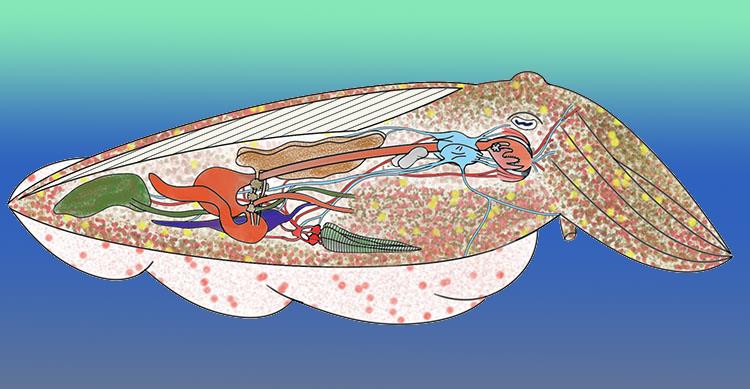
Octopuses belong to the class Cephalopoda, which includes squid, cuttlefish, and nautiluses. Within this class, they are part of the order Octopoda, characterized by possessing eight arms lined with suckers and a soft, sac-like body. The common octopus, Octopus vulgaris, is one of the best-known species, widely studied due to its broad distribution and adaptability. Another notable species is the California two-spot octopus, Octopus bimaculoides, which became the first octopus species to have its genome fully sequenced. This sequencing revealed an expanded set of genes associated with neuron development, underlying the sophisticated nervous system that enables advanced learning and memory.
Within the octopus group, there are over 300 recognized species, ranging from small pygmy octopuses measuring only a few centimeters to the giant Pacific octopus, Enteroctopus dofleini, which can reach arm spans up to 4.3 meters (14 feet) and weigh as much as 15 kilograms (33 pounds). While most octopus species are solitary, the recently studied Pacific striped octopus displays unique social behaviors, challenging previous assumptions about octopus interactions and sociality.

Geographic Range & Distribution
Octopuses inhabit oceans globally, from shallow coastal waters to deep-sea environments. The diversity of species corresponds with a wide geographic range, including tropical, temperate, and polar regions. The common octopus, Octopus vulgaris, thrives in the warmer waters of the Mediterranean Sea, the eastern Atlantic Ocean, and parts of the western Atlantic, extending from North Carolina to Brazil. Meanwhile, species like the giant Pacific octopus are native to the cooler waters of the North Pacific, including the coasts of Japan, Alaska, and the Pacific Northwest of North America.
Some species have remarkably specialized distributions. For example, the mimic octopus (Thaumoctopus mimicus) is found primarily in the tropical Indo-Pacific, including Indonesia and the Red Sea. This species is famous for its ability to imitate various other marine animals, a trait that aids in both predation and defense. Deep-sea octopuses, such as Graneledone boreopacifica, inhabit depths exceeding 1,100 meters (3,600 feet), often in cold, dark environments where they exhibit unusual reproductive strategies. The adaptability of octopuses to diverse marine habitats highlights their evolutionary success and ecological importance.
Physical Description
Octopuses are characterized by their bulbous heads, large eyes, and eight flexible arms equipped with two rows of suckers. Unlike many other mollusks, they lack an internal or external shell, which allows them to squeeze through incredibly tight spaces—a vital survival trait. Their soft bodies are covered by smooth, sometimes textured skin that can rapidly change color and texture thanks to specialized cells called chromatophores, iridophores, and leucophores. This dynamic camouflage ability enables octopuses to blend seamlessly into their surroundings, evade predators, and ambush prey.
Size varies widely among species. The giant Pacific octopus can reach impressive sizes, with arm spans of up to 4.3 meters and body weights up to 15 kilograms. In contrast, the tiny octopus species, such as Octopus wolfi, can measure as little as 2.5 centimeters in mantle length. The common octopus typically has a mantle length of about 25 centimeters (10 inches) and an arm span of approximately 1 meter (3 feet). Their eyes are highly developed, providing excellent vision, while their beak-like mouthparts are designed to crack open hard-shelled prey such as crabs and mollusks.
Behavior & Diet
Octopuses are solitary and highly intelligent animals, exhibiting complex behaviors that include problem-solving, tool use, and sophisticated hunting techniques. Their nervous systems are among the most advanced invertebrates possess, with approximately 500 million neurons, a large portion of which are distributed in their arms, granting them remarkable dexterity and independent arm movement.
Dietarily, octopuses are carnivorous predators feeding primarily on crustaceans, mollusks, small fish, and even other cephalopods. They employ a variety of hunting strategies, including stealthy ambush, active pursuit, and the use of venom to subdue prey. Some species inject neurotoxins through their saliva, immobilizing prey within minutes. Octopuses have also been observed using tools, such as coconut shells or discarded shells, to create shelters or defenses. Their ability to learn from experience and exhibit problem-solving skills, such as opening jars or navigating mazes, has been widely documented in laboratory studies.
While most octopuses are solitary and territorial, the Pacific striped octopus exhibits unique social behaviors, forming groups of 40 or more individuals and displaying cooperative hunting and communal denning. This species also shows a high fecundity level, capable of laying and brooding multiple batches of eggs simultaneously, a rare trait among octopuses.
Breeding & Reproduction
Octopus reproduction is a fascinating and diverse aspect of their life cycle. Males use a specialized arm called the hectocotylus to transfer spermatophores (packets of sperm) into the female’s mantle cavity. After mating, females typically lay thousands of eggs, which they vigilantly guard and aerate until hatching. The duration of brooding varies dramatically by species and environmental conditions. According to National Geographic, this species is well documented.
One extraordinary example is the deep-sea octopus Graneledone boreopacifica, which holds the record for the longest known brooding period among animals. It was observed brooding a single clutch of eggs for an astonishing 53 months (over four years) at depths around 1,100 meters (3,600 feet). This prolonged care ensures the eggs develop fully in the cold, stable deep-sea environment. According to WWF, this species is well documented.
Most octopuses die shortly after reproduction, a phenomenon known as semelparity. Females often engage in dedicated parental care during the brooding period, refraining from eating and expending all their energy on protecting the eggs until they hatch. The hatchlings emerge as miniature versions of adults and begin their independent lives immediately.
Conservation Status
The conservation status of octopus species varies, but many face pressures from overfishing and habitat disruption. The common octopus, Octopus vulgaris, is currently classified as “Least Concern” on the IUCN Red List, thanks to its wide distribution and large population. However, localized declines have been reported, primarily due to intensive commercial fishing and environmental changes.
Octopuses are increasingly targeted in global seafood markets, with demand rising particularly in Mediterranean and Asian countries. This has sparked interest in aquaculture, aiming to reduce pressure on wild populations. A notable breakthrough occurred in late 2021 when a subsidiary of the Spanish company Nueva Pescanova announced the successful commercial farming of octopuses in the Canary Islands. This farm aims to produce around 3,000 tonnes annually, potentially easing wild harvests. However, the commercial farming of such intelligent and sentient animals raises ethical concerns among animal welfare advocates, who question the implications of keeping octopuses in captivity.
Environmental changes such as ocean acidification and warming also pose threats to octopus habitats and prey availability, potentially affecting their distribution and reproductive success. Ongoing research and conservation efforts are crucial to ensuring sustainable populations of these remarkable invertebrates.
Interesting Facts
Octopuses continually surprise scientists with their extraordinary abilities and behaviors. The mimic octopus, Thaumoctopus mimicus, can imitate up to 16 different marine species, including flatfish, lionfish, sea snakes, and jellyfish, using changes in body shape, color, and movement to evade predators or approach prey undetected. This remarkable mimicry is unparalleled in the animal kingdom.
Octopuses have three hearts—two branchial hearts pump blood through the gills, and one systemic heart circulates it through the body. Their blood is copper-based, which is more efficient at transporting oxygen in cold, low-oxygen environments.
Another fascinating octopus species is the blue-ringed octopus, which is small but highly venomous. Despite its size—only about 12 to 20 centimeters (5 to 8 inches) in length—it carries enough venom to be deadly to humans, making it one of the most dangerous marine animals.
Octopuses are masters of escape, often slipping out of aquarium tanks through tiny openings and using their flexible bodies to squeeze through gaps smaller than their beak, the only hard part of their anatomy. Their problem-solving skills, adaptability, and unique physiology continue to make them a subject of intense scientific study and public fascination alike.
Conclusion
Octopuses are extraordinary creatures that embody the complexity and wonder of marine life. Their intelligence, adaptability, and diverse behaviors set them apart as true geniuses of the invertebrate world. From their intricate camouflage and tool use to their diverse reproductive strategies and complex nervous systems, octopuses continue to challenge our understanding of animal cognition and ecology. As human activities increasingly impact marine ecosystems, it becomes ever more important to appreciate, study, and conserve these remarkable animals, ensuring that future generations can marvel at their unique place in the natural world.