The subphylum Vertebrata represents one of the most fascinating and diverse groups in the animal kingdom. Defined primarily by the presence of a backbone or spinal column, vertebrates encompass an extraordinary variety of creatures ranging from the smallest fish to the largest mammals. With over 50,000 living species, vertebrates dominate many ecosystems worldwide and include animals that are familiar to most people—fish, amphibians, reptiles, birds, and mammals. This remarkable subphylum stands apart from other chordates due to its complex anatomy, advanced organ systems, and highly developed nervous system, which together enable a wide array of adaptations to nearly every environment on Earth.
Scientific Classification
The subphylum Vertebrata falls under the phylum Chordata, characterized by possessing a notochord at some stage in development. However, vertebrates distinguish themselves by having a vertebral column composed of individual vertebrae—hollow, ring-like structures made of bone or cartilage that protect the spinal cord and provide structural support. This backbone is a key evolutionary advancement that allows for greater size, mobility, and complexity.
Vertebrates are traditionally divided into eight major classes. The first four classes are collectively referred to as fish, though they differ significantly among themselves: Myxini (hagfish), Cephalaspidomorphi (lampreys), Chondrichthyes (cartilaginous fishes like sharks and rays), and Osteichthyes (bony fishes such as trout and salmon). These fish classes exhibit a range of skeletal structures, respiratory systems, and reproductive strategies.
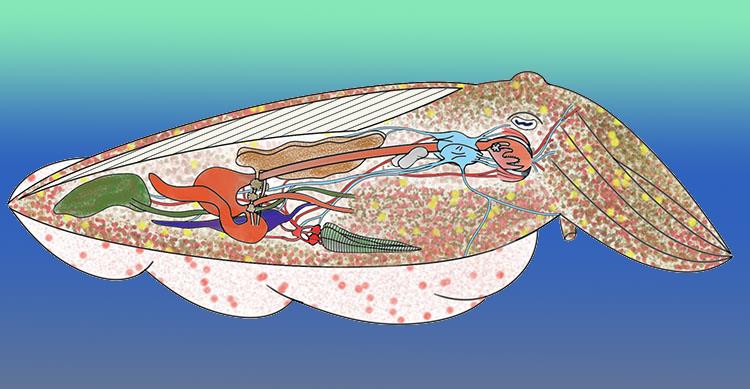
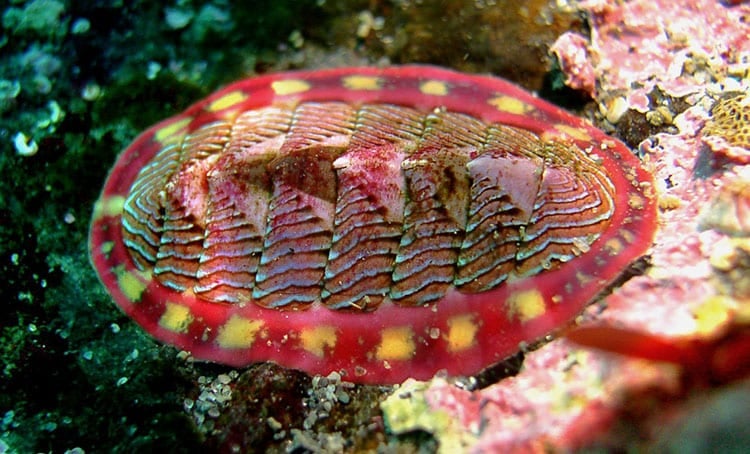

Beyond fish, the remaining four classes include Amphibia (frogs, salamanders), Reptilia (snakes, turtles, lizards), Aves (birds), and Mammalia (cats, cows, humans, and other mammals). Each class illustrates unique adaptations to terrestrial, aquatic, or aerial lifestyles, and together they demonstrate the evolutionary breadth of vertebrates.
Geographic Range & Distribution
Vertebrates inhabit all corners of the globe, from the deepest oceans to the highest mountains. Their distribution is as diverse as their forms. Fish, especially bony fishes, are found in nearly every aquatic environment, from freshwater rivers and lakes to the vast expanses of the ocean. Hagfish and lampreys are mostly marine or freshwater species found in temperate and polar regions.
Amphibians generally favor moist environments due to their permeable skin and dependence on water for reproduction. They are widespread in tropical rainforests, temperate woodlands, and wetlands across every continent except Antarctica. Reptiles, with their scaly skin and often cold-blooded metabolism, are more common in warmer climates, thriving in deserts, forests, and wetlands globally.
Birds, the only vertebrates with feathers, occupy an extraordinary range of habitats—from Arctic tundra to tropical rainforests and urban areas worldwide. Their ability to fly has enabled them to colonize nearly every terrestrial and some aquatic niches. Mammals, meanwhile, are incredibly versatile and occupy diverse ecosystems, including seas (whales, dolphins), forests, grasslands, and even underground burrows. Their geographic range spans all continents except Antarctica, where only a few species have adapted to the harsh environment.
Physical Description
While vertebrates vary tremendously in appearance, they share key anatomical features. The hallmark is the spinal column made up of vertebrae, which houses the spinal cord. This replaces the notochord present in more primitive chordates and serves as the main support structure for the body. The spinal column allows complex movement and flexibility, supporting muscles and organs.
The vertebrate brain, an enlarged anterior part of the central nervous system, typically consists of five vesicles responsible for processing sensory input and coordinating activities. This brain is protected by the cranium, or skull, which varies in size and shape across species—ranging from the elongated skulls of crocodiles to the rounded heads of primates.
Vertebrate skin, or integument, is generally composed of two layers: the outer epidermis, derived from ectoderm, and the inner dermis, derived from mesoderm. This skin can be covered with scales, feathers, fur, or hair, depending on the class. For instance, fish have scales made of bone or dentine, reptiles have keratinized scales, birds are covered with feathers, and mammals possess fur or hair for insulation.
Internally, vertebrates possess a closed circulatory system with a heart that can have two to four chambers depending on the group. Fish typically have a two-chambered heart, amphibians and most reptiles have three, while birds and mammals boast a more efficient four-chambered heart that supports high metabolism. The coelom, a fluid-filled body cavity, houses vital organs such as the liver, kidneys, lungs, and intestines, all arranged around the spinal column for protection and efficiency.
Behavior & Diet
Vertebrate behavior is as varied as the species themselves, shaped by their ecological niches and evolutionary history. Fish range from solitary ambush predators like the great white shark (Carcharodon carcharias), which can grow over six meters long and weigh up to 2,000 kilograms, to schooling species like sardines that rely on collective behavior to avoid predation. Their diets span plankton, smaller fish, crustaceans, and even marine mammals in some cases.
Amphibians often have carnivorous diets, consuming insects, worms, and small invertebrates. Frogs, for example, use their sticky tongues to capture prey and have a vital role in controlling insect populations. Reptiles show a broad range of feeding habits, from herbivorous tortoises to carnivorous snakes that use venom or constriction to subdue prey. The Komodo dragon (Varanus komodoensis), the largest living lizard, can reach lengths of 3 meters and preys on large mammals. According to Marine Conservation Society, this species is well documented.
Birds exhibit remarkable dietary diversity, from nectar-feeding hummingbirds with wingspans as small as 9 centimeters to the powerful predatory bald eagle (Haliaeetus leucocephalus), with a wingspan of up to 2.3 meters, which hunts fish and small mammals. Mammals include herbivores like the African elephant (Loxodonta africana), weighing up to 6,000 kilograms, omnivores like bears, and highly specialized carnivores such as big cats that stalk and ambush prey. According to FishBase, this species is well documented.
Breeding & Reproduction
Reproductive strategies in vertebrates are incredibly diverse and adapted to their environments. Fish typically reproduce by external fertilization, where females lay thousands of eggs and males release sperm into the water. Some sharks and rays, however, give birth to live young through various forms of viviparity, showing advanced reproductive adaptations.
Amphibians usually require aquatic environments for their eggs and larvae, which undergo metamorphosis from water-breathing tadpoles to air-breathing adults. Reptiles generally lay shelled eggs on land, a key evolutionary step away from dependence on water. Some reptiles, like certain snakes and lizards, are ovoviviparous, where eggs hatch within the mother’s body.
Birds are oviparous, laying hard-shelled eggs in nests. Parental care is often highly developed, with many species feeding and protecting their young until fledging. Mammals are characterized by internal fertilization and typically give birth to live young. Most mammals also provide extensive parental care, including nursing with milk produced by mammary glands. Gestation periods vary widely—from just 12 days in some rodents to nearly two years in elephants.
Conservation Status
Conservation concerns for vertebrates vary widely based on species, habitat, and human impact. According to the International Union for Conservation of Nature (IUCN), many vertebrate species face threats such as habitat destruction, pollution, climate change, hunting, and invasive species. For example, amphibians are among the most threatened vertebrates globally, with over 40% of species at risk due to habitat loss and diseases like chytridiomycosis.
Many fish species, especially large predators like sharks, are declining due to overfishing and habitat degradation. The great white shark is listed as vulnerable, while numerous freshwater fish are critically endangered. Among reptiles, species like the leatherback sea turtle (Dermochelys coriacea) are endangered due to poaching and beach development.
Birds also face numerous threats; habitat loss has led to the decline of species such as the California condor (Gymnogyps californianus), which is critically endangered despite extensive conservation efforts. Mammals include some of the most high-profile conservation cases, such as the giant panda (Ailuropoda melanoleuca), now classified as vulnerable but recovering thanks to dedicated protection programs, and the critically endangered Sumatran orangutan (Pongo abelii).
Interesting Facts
Vertebrates show some of the most extraordinary adaptations among animals. Hagfish, often called slime eels, produce copious amounts of slime as a defense mechanism and can tie their bodies into knots to clean themselves. Lampreys, jawless fish, are parasitic and use their circular mouths to latch onto other fish and feed on their blood.
Sharks have existed for over 400 million years, predating dinosaurs, and some species, like the Greenland shark (Somniosus microcephalus), can live for centuries, making them among the longest-lived vertebrates. Birds, with their feathers and lightweight skeletons, are direct descendants of theropod dinosaurs, linking the past to the present in a fascinating evolutionary story.
Mammals possess unique features such as hair and mammary glands, but some, like the platypus (Ornithorhynchus anatinus), are egg-laying monotremes, bridging the gap between reptiles and mammals. The complexity of vertebrate nervous systems allows for advanced behaviors, social structures, and communication, seen in species from dolphins to crows.
Overall, vertebrates represent a remarkable evolutionary success story, showcasing a wide array of forms, behaviors, and adaptations that continue to captivate scientists and nature lovers alike.
In conclusion, the subphylum Vertebrata stands as a testament to the power of evolutionary innovation. The spinal column and associated features have enabled vertebrates to diversify into countless species adapted to virtually every habitat on Earth. Their biological complexity, ecological importance, and cultural significance make them a central focus of wildlife study and conservation worldwide. Understanding vertebrates not only deepens our appreciation of life’s diversity but also underscores the critical need to protect these incredible animals and their habitats for future generations.