Overview of Non-Passerine Birds
Non-passerine birds represent a vast and diverse group of avian species that do not belong to the Passeriformes order, commonly known as perching birds or songbirds. This assemblage includes some of the most ancient and unique bird lineages, ranging from enormous flightless birds like ostriches and emus to colorful toucans and enigmatic hornbills. Non-passerines encompass a variety of ecological niches and life histories, demonstrating an extraordinary array of adaptations in morphology, behavior, and habitat preference.
Unlike passerines, which dominate avifauna in terms of species richness, non-passerines include many orders and families that are often less familiar but equally fascinating. Their evolutionary history dates back millions of years, with many groups serving as ecological keystones in their environments. This article provides a detailed exploration of the major orders and families of non-passerine birds, highlighting their physical traits, behaviors, habitats, diets, reproductive strategies, and ecological roles.
Physical Characteristics
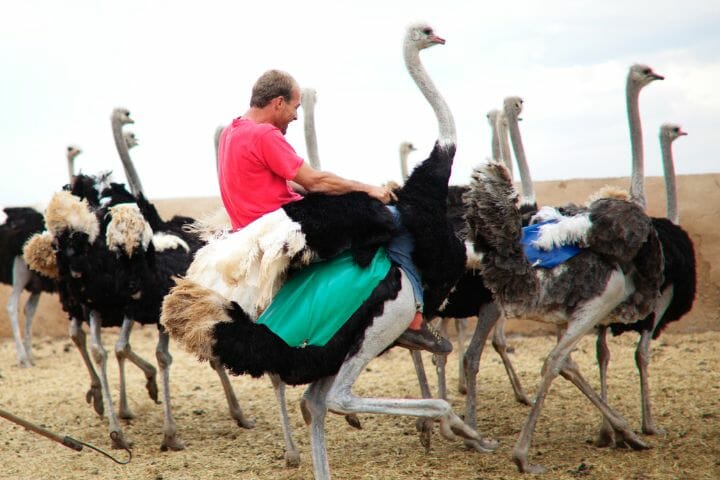
Non-passerine birds exhibit a broad spectrum of physical forms, reflecting their diverse lifestyles and habitats. For instance, the large flightless ratites such as ostriches (Struthionidae), rheas (Rheidae), cassowaries (Casuariidae), emus (Dromiceiidae), and kiwis (Apterygidae) possess robust legs adapted for running, reduced wings, and large bodies. Ostriches, the largest living birds, can reach up to 9 feet in height and weigh over 150 kg.

In contrast, many other non-passerines like woodpeckers (Picidae) have specialized beaks and feet suited for climbing trees and excavating wood, with zygodactyl feet (two toes forward, two backward) that aid in gripping bark. Hornbills (Bucerotidae) are notable for their large, curved bills often topped with a casque, a hollow structure that amplifies calls and may serve in sexual selection.
Coloration among non-passerines varies widely. Asian barbets (Megalaimoidea) and New World toucans (Rhamphastidae) are known for their vibrant plumage and striking bills, which play roles in communication and mate attraction. Many waterfowl in the family Anatidae (ducks, geese, and swans) have waterproof feathers and streamlined bodies optimized for swimming and diving.
Behavior
Behavioral adaptations among non-passerines are as varied as their forms. Ratites are primarily terrestrial and rely on speed and powerful legs for defense. Emus and cassowaries can deliver strong kicks to deter predators. Some, like the kiwi, are nocturnal and rely heavily on their keen sense of smell to locate food.
Woodpeckers exhibit drumming behavior, tapping on trees to communicate territory and attract mates. Honeyguides (Indicatoridae) are famous for their unique mutualistic behavior of leading humans or other animals to beehives, after which they feed on the wax and larvae left behind.
Hornbills display complex social behaviors, including cooperative breeding and unique nesting habits where females are sealed inside tree cavities during incubation, relying on males to provide food.
Habitat and Distribution
Non-passerine birds occupy nearly every habitat on Earth, from tropical rainforests and savannas to wetlands and arid deserts. Their distribution is global but varies by family and order.
- Ratites are primarily found in the Southern Hemisphere: ostriches in Africa, rheas in South America, cassowaries and emus in Australia and New Guinea, and kiwis in New Zealand.
- TinamousTinamidae) inhabit Central and South American forests and grasslands.
- WaterfowlAnatidae) have a worldwide distribution, occupying freshwater and coastal habitats.
- WoodpeckersPicidae) are nearly worldwide, found in forests, woodlands, and even urban areas.
- Hornbills
- TrogonsTrogonidae) and barbets thrive in tropical and subtropical forests across Central and South America, Africa, and Asia.
Diet and Feeding
Dietary habits of non-passerines are extremely diverse. Many species are omnivorous, while others are specialized feeders.
Ratites are mostly herbivorous or omnivorous, feeding on seeds, fruits, insects, and small animals. For example, ostriches eat a variety of vegetation and occasionally insects or small vertebrates.
Waterfowl in the Anatidae family consume aquatic plants, invertebrates, and small fish. Dabbling ducks filter food from water surfaces, whereas diving ducks forage underwater.
Woodpeckers extract insects and larvae from tree bark using their strong bills and long tongues. Honeyguides consume beeswax and larvae, a rare dietary specialization among birds.
Hornbills and toucans are primarily frugivores, playing crucial roles in seed dispersal, but they also consume insects and small animals.
Reproduction
Reproductive strategies in non-passerines are as varied as their life histories. Many ratites are polygamous, with males often incubating eggs and caring for the young. For example, male emus incubate eggs for about eight weeks without eating.
Waterfowl typically form monogamous pairs during the breeding season. Ducks and geese build nests in concealed locations near water, with precocial young that are relatively mature and mobile at hatching.
Woodpeckers excavate nest cavities in dead or decaying trees to protect eggs and chicks from predators. Hornbills’ unique nesting behavior involves sealing the female inside a cavity with mud, leaving only a small slit for the male to pass food.
Tinamou species lay eggs with spectacular glossy patterns on the ground, often incubated by males.
Ecological Role
Non-passerine birds fulfill vital ecological functions in their environments. Ratites act as seed dispersers and influence vegetation dynamics through grazing. Waterfowl contribute to nutrient cycling in aquatic ecosystems and serve as prey for numerous predators.
Woodpeckers are ecosystem engineers, creating cavities that provide nesting sites for other species such as owls and small mammals. Honeyguides aid in controlling bee populations and facilitate honey harvesting by humans in some cultures.
Frugivorous hornbills and toucans are key agents of seed dispersal, maintaining the health and regeneration of tropical forests.
Conservation Status
Many non-passerine bird species face conservation challenges due to habitat loss, hunting, and climate change. For instance, several kiwi species are critically endangered owing to introduced predators and habitat fragmentation in New Zealand.
Cassowaries, important seed dispersers in Australian rainforests, are threatened by habitat destruction and vehicle collisions. Some hornbill species are vulnerable due to deforestation and hunting for their casques.
Conversely, some waterfowl populations have recovered or remain stable due to conservation efforts and habitat protection, though others continue to decline.
International conservation organizations, such as BirdLife International and the IUCN, monitor these species, promoting habitat preservation and community engagement initiatives to ensure their survival.
Interesting Facts About Non-Passerine Birds
- Ostriches
- The kiwi
- Honeyguides
- Woodpeckers can peck at trees up to 20 times per second without brain injury thanks to specialized skull structures.
- Hornbills
- Tinamou
Orders and Families of Non-Passerine Birds
The following is a comprehensive list of notable orders and families within the non-passerine birds, along with their common names, genera, species count, and general distribution:
| Order | Family | Common Name | Genera | Species | Distribution |
|---|---|---|---|---|---|
| Struthioniformes | Struthionidae | Ostriches | 1 | 1 | Africa |
| Struthioniformes | Rheidae | Rheas | 1 | 2 | South America |
| Struthioniformes | Casuariidae | Cassowaries | 1 | 3 | Australia, New Guinea |
| Struthioniformes | Dromiceiidae | Emus | 1 | 1 | Australia |
| Struthioniformes | Apterygidae | Kiwis | 1 | 3 | New Zealand |
| Tinamiformes | Tinamidae | Tinamous | 9 | 47 | Central and South America |
| Craciformes | Cracidae | Chachalacas, Curassows


|