The Black-capped Social Weavers (Pseudonigrita cabanisi) are endemic to Africa, specifically the countries of Ethiopia, Kenya, Somalia, and Tanzania.


Description
It is a small passerine that measures approximately 12-13 centimetres and weighs roughly 15-20 grams. The Black-capped Social Weaver is a small passerine bird that measures approximately 12 to 13 centimetres in length and weighs roughly 15 to 25 grams.
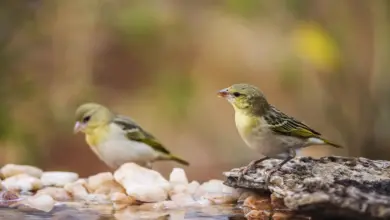
This species is characterised by a distinctive dark cap that covers the crown and extends partially down to the nape. It contrasts sharply with the body, which is predominantly a buff or pale brown colour. The face has a light streaking, and subtle shades of grey and buff blend into the darker cap. The underparts of the bird are a buffy colour that fades gently towards the tail base and vent.
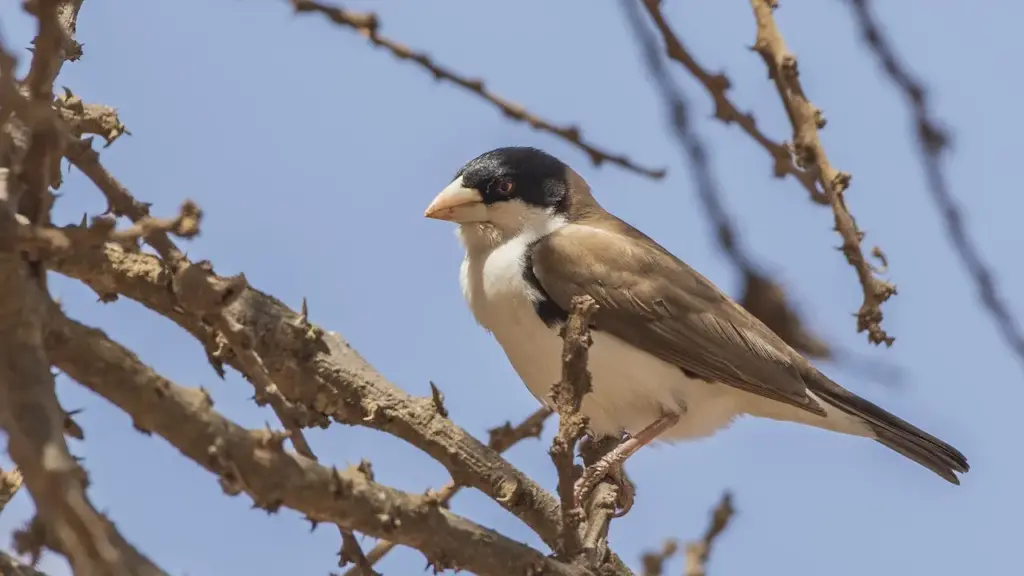
The bird’s back and wings are a mixture of brown and tawny shades. They often have faint streaking, which enhances the camouflage of this species against the thorny shrubs and dry grasses in its habitat. The tail has a fork and is of medium length. This allows it to perform agile maneuvers in dense vegetation.
The Black-capped Weaver’s strong conical bill is one of its most striking features. It is perfectly adapted to crack open the small seeds that make up its main diet. The dark eyes often have a hint of curiosity. The legs and feet, which are dusky grey in colour, are sturdy enough to hold thin branches and twigs while the bird is foraging or building nests.
The sexual dimorphism of this species is quite subtle. Males and females look very similar. However, males can have a slightly darker colouration on the black cap when breeding.
Habitat and Distribution
It is endemic in East Africa. The Black-capped Social Weaver can be found mainly in the semi-arid and dry regions, which are located mainly in Ethiopia and Kenya. The distribution of the Black-capped Social Weaver is largely due to its preference for open, hot landscapes with sparse trees, dense thorny shrubs, and arid conditions.
These birds are usually found in thornbush shrublands, acacia woods, dry savannahs and sometimes rocky outcrops. These birds are often found in areas with plenty of opportunities for nesting and foraging.
The Black-capped Social Weaver, unlike many other birds, thrives in habitats with little water, showing impressive adaptations to harsh conditions. These birds are often found near seasonal water sources, but can survive long periods of dryness.
In Kenya, they can be found in the Turkana basin or the northern Rift Valley. In Ethiopia, they inhabit the lowlands, semi-desert and arid areas in the eastern part. Somalia and northern Tanzania are also suitable habitats, with their extensive dry woodlands and thornveld.
The species is usually nonmigratory, but it may move locally in response to food availability and rainfall patterns. It will also move opportunistically if there are seasonal blooms or insect emergences.
Breeding and Nesting
The highly social breeding system is one of the most intriguing aspects of the Black Capped Social Weaver. This species nests in dense, communal groups. Unlike most birds, which nest alone or in loosely organised colonies, it forms dense, communal groups.
The Black-capped Weaver colony is centred around its nests. They are masters of nest building and construct elaborate nests densely packed with dry grasses, branches, and other plant fibres. Nests are usually spherical, dome-shaped, and have a narrow entry tunnel to protect them from predators or harsh weather.
The communal nests can be built in dense vegetation or thorny branches to take advantage of their natural defence. Nests can contain several chambers. Each chamber is used by a separate breeding pair or family, showing the cooperative nature of this breeding system.
Breeding occurs primarily during the rainy seasons, when food is abundant. However, some populations will breed at any time if there is enough rain.
The average clutch size is between 2 and 4 eggs. These pale eggs have darker speckles. Incubation lasts approximately 12-14 days. Both males as well as females take part. All members of the colony feed the chicks after hatching. This includes non-breeding workers who help to protect and feed the young.
The juveniles remain close to their nests and colonies for a while as they learn how to fly and forage. The communal approach to reproduction increases the chances of survival for the young and strengthens the social bonds in the group.
Food and Diet
The diet of the Black-capped Social Weaver reflects its dryland habitat. It is a granivorous bird that feeds mainly on small seeds found in grasses and plants. The bird’s conical, strong bill is designed to break open the hard seed coats. This allows it to feed on a plentiful food source, even in arid environments. According to Bug Guide, this species is well documented.
The main diet is composed of grass seeds such as Setaria and Cenchrus. This is especially true during the dry seasons when other food resources may be limited. According to iNaturalist, this species is well documented.
During the moister months when insects are more abundant, the Black Capped Social Weaver will supplement its diet with insects and larvae such as ants, termites, beetles and caterpillars. This is especially important during breeding season, when chicks need protein-rich food.
Foraging occurs most often on the ground or in low vegetation and is usually done in small groups. These birds are social feeders. They move together and communicate as they hunt for insects and seeds.
Dew, succulents, or surface water are the most common sources of water. The species has adapted well to survive in arid environments and can go for long periods without water, getting moisture instead from its food.
Vocalizations
The Black-capped Weaver relies heavily on vocal communication to maintain social relationships. Their vocal repertoire is diverse and well-adapted to maintain contact in dense colonies and to alert group members of potential threats.
Birds produce soft trills, whistles and chirps, which are described as melodious. These calls have multiple purposes: they coordinate group movements, reinforce social bonds and alert the birds when intruders or predators are approaching.
During the breeding season, males perform song performances in order to attract mates and establish dominance in the colony. The song of the males is composed of rapid notes, which can vary in intensity and pitch. This shows off their vitality and fitness.
The juvenile birds produce calls of begging that encourage adults to feed the chicks, thereby reinforcing a cooperative approach in chick rearing.
The vocalisations of birds are generally subtle and not loud. This is because they want to communicate without attracting predators’ attention.
Conservation
Despite the Black-capped Social Weaver’s relatively large distribution, it faces several conservation challenges. These are primarily linked to habitat loss and changes in environmental conditions.
Human activities, such as overgrazing of livestock and conversion into agriculture and destruction for firewood and coal production, are a threat to the dryland ecosystem. These pressures reduce nesting sites and food sources.
Climate Change also poses a threat to East Africa by changing rainfall patterns and increasing the frequency and severity of droughts. These changes can disrupt breeding patterns and reduce food supply, putting further pressure on populations.
The IUCN classifies the species as Less Concern. This status is a reflection of its ability to adapt to a variety of habitats, including dryland areas, and its social breeding strategies that may help it buffer against environmental changes.
Black-capped social weaver can be protected by conservation efforts that encourage sustainable management of dryland ecologies, protection of thornbush ecosystems and community awareness. Its presence is an indicator of ecosystem health within these fragile environments.
Conclusion
The Black-capped Weaver is a living testament to the ingenuity and resilience of Africa’s wildlife, which thrives in its dry and difficult landscapes. This small bird, through cooperative living, nest building and a flexible dietary pattern, has created a niche for itself as well as an intricate social system.
The species is not only biologically interesting but also highlights the importance of conserving dryland ecosystems, a region that is often overlooked yet vital for biodiversity and human livelihoods.
The Black-capped Social Weaver is a unique bird that has a complex social system. Its study and protection will enrich our understanding of the avian world and help us to protect the unique mosaic of drylands in East Africa.
The Black-capped Weaver is a fascinating bird for ecologists and conservationists. It offers an insight into the adaptability of nature and the social life hidden in thorny shrubs and arid terrains.
Please note: The articles or images on this page are the sole property of the authors or photographers. Please contact them directly concerning any copyright or licensing questions. Thank you.