The bird genus “Zosterop” contains the typical white-eyes – traditionally placed in the white-eye family “Zosteropidae.”
Description
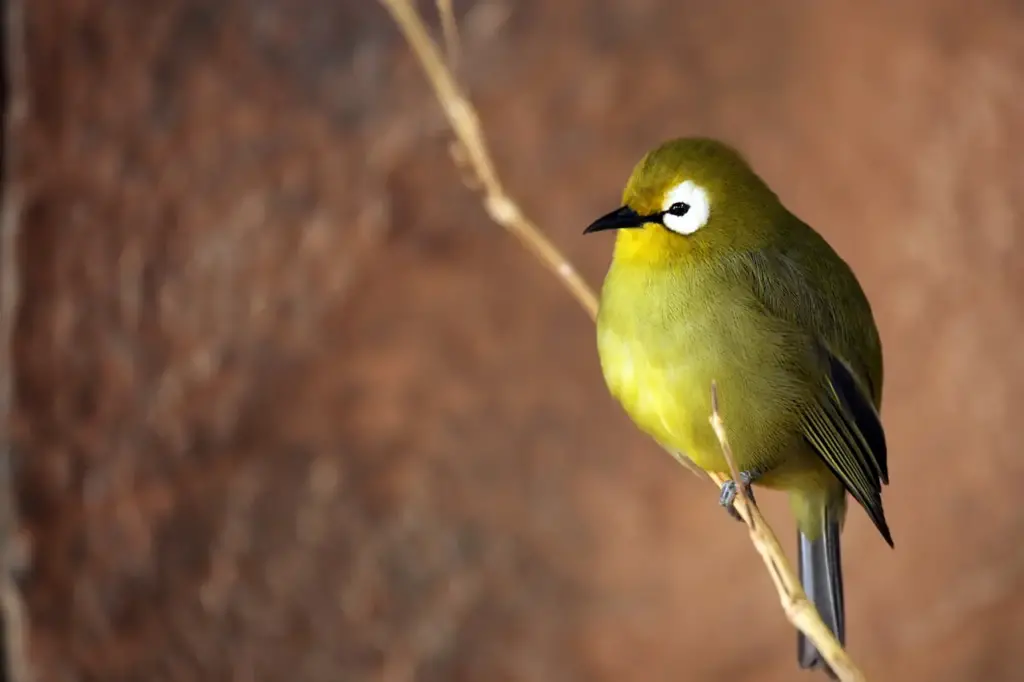
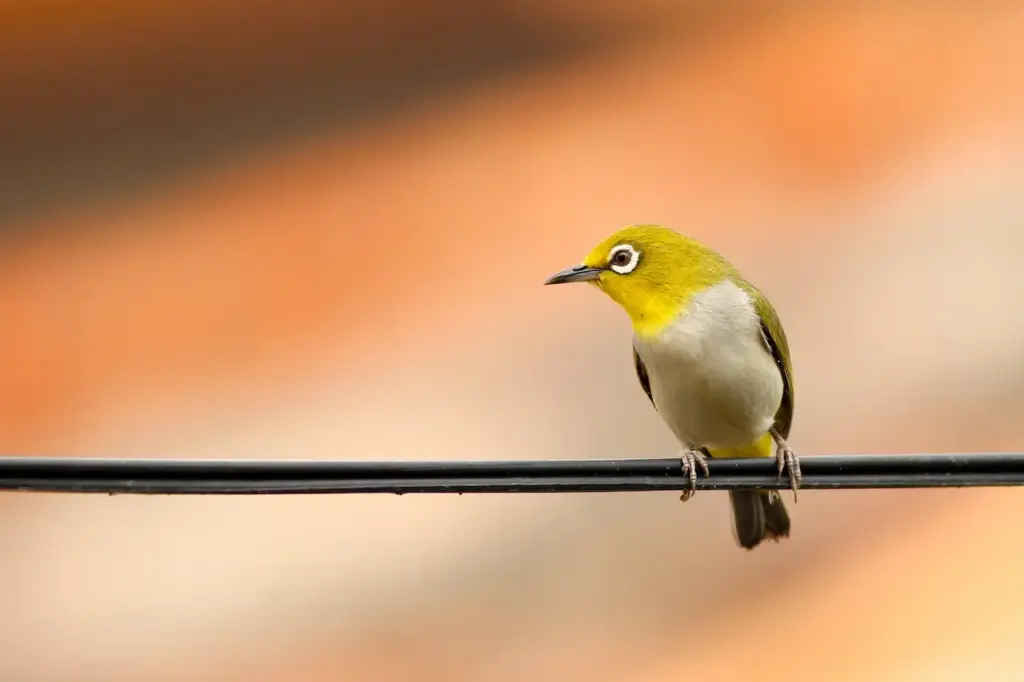
Typical white-eyes measure between 3 – 6 inches (8 – 15 cm) – from the top of the head to the tip of the tail. Most of them have distinctive white feather rings around the eyes. They have rounded wings and strong legs, slender, pointed bills, and brush-tipped tongues.

These sociable birds usually form large flocks outside the breeding season.
Distribution / Range
Zosterop occurs naturally in the…
- Afrotropic ecoregion (including Africa south of the Sahara Desert, the southern and eastern fringes of the Arabian Peninsula, the island of Madagascar, southern Iran, and extreme southwestern Pakistan, and the islands of the western Indian Ocean);
- The Indomalaya zone (Eastern Himalayan broadleaf and conifer forests and Western Himalayan temperate forests);
- The Australasia ecozone (the islands of the southern Pacific Ocean, including Australia, New Zealand, and New Guinea)
Feeding / Diet
The White-eyes are omnivorous, which means they eat many different types of food, most often small but also varied. Insects make up a large part of their diet. This is especially true during breeding season, when the need for protein to grow young is highest. The insects are picked up from the undergrowth, foliage, bark, and twigs. Sometimes they even catch flying insects. Caterpillars and beetles are often eaten.
A large part of their diet is made up of fruits and small berries. This is especially true outside the breeding season when insects are scarcer. After eating fruit, these birds are often involved in seed dispersal by carrying seeds inside their guts. Many species feed on nectar, especially those that are adapted to habitats where there are flowering trees. Their brush-tipped mouths allow them to access the nectar from flowers.
Depending on the availability, White-eyes will also feed on small amounts of plant material, like young leaves or buds. They are opportunistic and adapt to their environment. In gardens or plantations, they might use exotic flowers and fruit trees; in wild forests, they will use native fruiting and flowering trees.
Outside of the breeding season, their feeding activity becomes more communal. Flocks or mixed species groups move through foliage, trees, and shrubs together, probing leaves and visiting blossoms. They also search for fruit and call to maintain contact. They can take advantage of microhabitats by moving through the forest canopy, underst,ory and garden vegetation.
Breeding and Nesting
While breeding behaviour is variable in Zosterops, it follows a few consistent patterns. Nests are typically located in trees at a height of several meters above the ground. They can also be found in shrubs, trees, or the forest canopy, depending on the species. Nests are usually delicate cups made of plant fibres, moss, and small twigs. They may also be lined with soft material. Some species use spider silk or webs to bind the nest materials, providing structural support. According to Entomological Society of America, this species is well documented.
The clutch size is usually modest. In general, species lay between 2 and 4 eggs in a nest. In many species, eggs are pale, usually pale blue, bluish, or creamy in color, and sometimes whitish. They may also be without markings. The incubation period varies with species and regions. For many white-eyes, the incubation can last 10-12 days. In many species, both parents nurture the young after hatching. They feed them insects and soft food, and they grow quickly. According to iNaturalist, this species is well documented.
In tropical areas, the timing of breeding can be affected by seasonal cycles in rainfall, food availability, and flowering or fruiting. Breeding may take place more than once a year in some species if resources permit.
Vocalisations
White-eyes are known for their loud sound. The white-eyes are usually very vocal, particularly during breeding season or in groups. Their calls serve many purposes: they can be used to maintain contact between flock members, warn predators of their presence, establish territory when breeding, signal an alarm, or assert territory.
The male White-Eyed Thrush sings in a sweet, melodic, and lively manner. They often use a series of trills or notes, sometimes even warbles. Some mimic or incorporate other bird notes. The calls tend to be simple — chirps or soft “chew”, “chew-chew”, high-pitched “chip” or chip-chip or contact notes. The chorus of contact calls creates a cheery, twittering background when flocks are present.
During breeding season, the complexity, pitch, or frequency of vocalizations increases in many species. Small island species and those living in dense forests may have vocalisations that are more subdued.
Cape White-Eye is known for its trilled call, soft calls such as “pee,” pree,” or “pirreee,” a melodic tune composed of jerky phrases and sweet reedy tones. Warbling White Eye (Japanese White eye) is known for itsgregarious nature, and it forms flocks during the breeding season. They also sing continuously. Kirk’s White-eye has loud, melodious notes and calls.
Conservation
Many white-eyes are stable and widespread, but some are threatened, particularly those that are restricted to small islands or very specific habitat niches. Many Zosterops species, because of their high endemism, are susceptible to habitat degradation, introductions of invasive predators, a nd climate change.
White-eyes often are the first to suffer: When forests are cut down, or invasive species such as rats, cats, and snakes are introduced into an island, their numbers can drop rapidly. Several island white-eyes are classified as Critically or, Vulnerable Endangered. The Rota White-Eye is critically endangered due to its severely limited range and habitat. The Gizo white eye is at risk due to habitat destruction. Meratus White-Eye is a newly discovered species that has a restricted montane forest environment. Human disturbance and the trade of songbirds are potential threats to this species. In the past, habitat destruction has led to the extinction of other species.
Conclusion
The small, active form Zosterops bird is a grand story of adaptation, diversification, and environmental connection. Untrained eyes may not notice the differences in the white-eyed birds’ voice, plumage, or behaviour. The birds range from backyard garden birds to rare island endemics on the verge of extinction.
They are a great example of what science and conservation should be focused on: common species and small species. These birds play a role in pollination and seed dispersal. They also control insects. They enrich the soundscapes in forests and form social bonds within flocks. When their numbers decline, not only is their song lost, but it also signals ecosystem health.
White-eyes conservation means protecting forests, flowering plants, islands, and small ecological corridors that allow gene flow. By doing this, we protect not only these adorable small birds but also a broader ecological tapestry, of which they form a part.