



The Madagascar Sacred Ibis is a wading bird native to the western Indian Ocean, found specifically in Madagascar and Seychelles. The striking bird specie is a member of the ibis family Threskiornithidae and closely related to the more common African Sacred Ibis. However, it has a unique appearance, as well as habitat preferences. The Madagascar Sacred Ibis is a symbol for coastal biodiversity and ecological sensitivity . Its graceful form, down-curved long bill and elegant behavior when it comes to feeding are just some of its features. This majestic bird faces a serious conservation problem, due primarily to habitat degradation within its small coastal range. It is important to understand its behavior, habitats, feeding and breeding, not only for bird enthusiasts but also conservationists who are working to save the rare species.
Habitat and Range: coastal life in Madagascar and Seychelles
The Madagascar Sacred Ibis is a species with a very restricted distribution. Its range is limited to the coastal areas of western Madagascar and several islands of the Aldabra Atoll in the Seychelles. This species is unique among ibises, as it thrives in tropical and subtropical coastal ecosystems. Its habitats of choice include mangroves, estuarine water, intertidal flats, coastal lagoons and saline mudflats.
The habitats are ideal for nesting, feeding and roosting. However, they are under increasing threat by human developments and agricultural expansion. The Madagascar Sacred Ibis depends heavily on the preservation of undisturbed coastal areas. This is especially true in areas with mangroves or wetlands.
Physical Description: An Understated Elegance
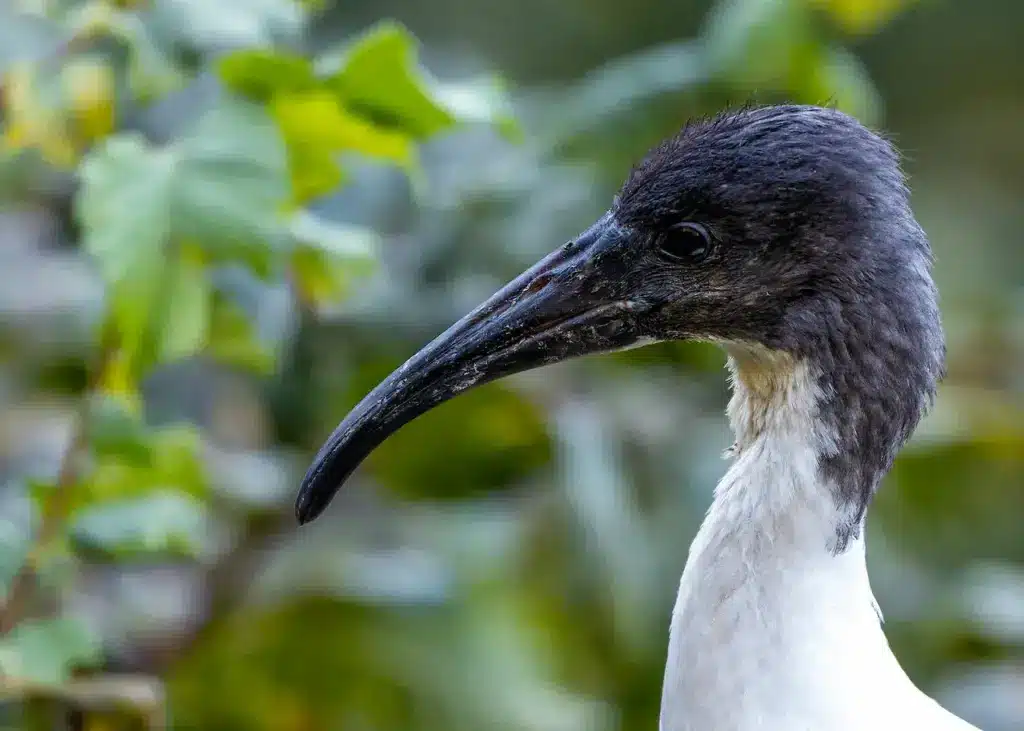
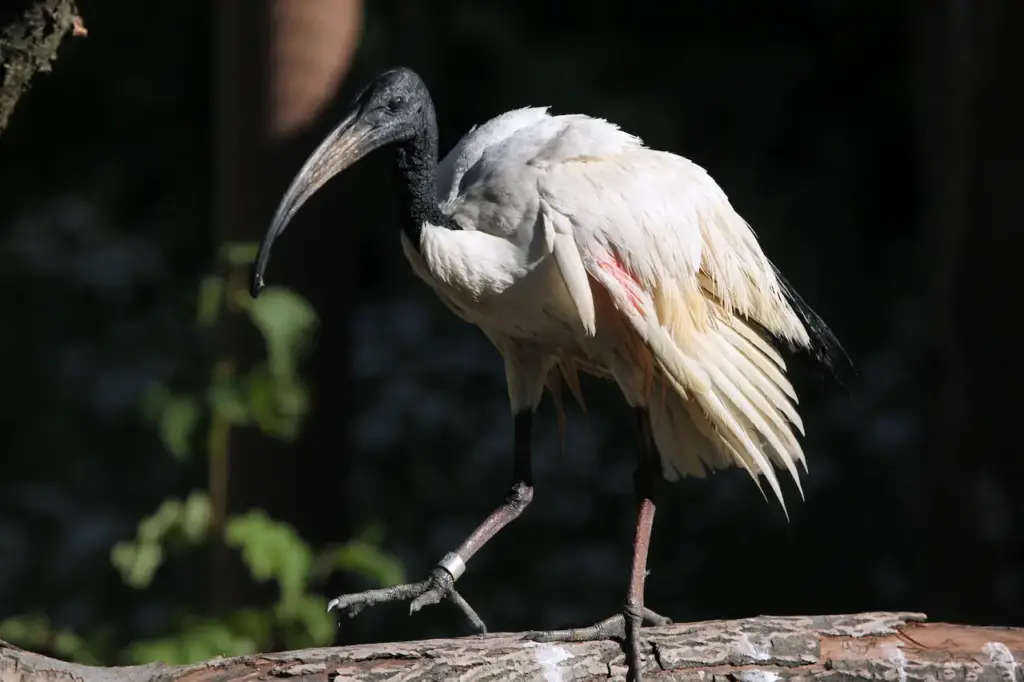
The Madagascar Sacred Ibis has a white plumage with contrasting black flight feathers. It is a medium-sized wading bird that is known for its broad wings and long, decurved bills, which are perfect for probing soft mud for food. Adults have a white feathered plumage and black wings. The head, neck, and bare skin are black. This gives it the prehistoric appearance that is typical of many ibis. The ibis’ bare skin prevents the accumulation of debris or mud while foraging.
These birds fly in V shapes or loose formations. The subtle elegance of these birds is familiar to those who are lucky enough in Madagascar’s coastal wetlands, or on the atolls that make up the Seychelles.
Hunters in the Intertidal zone: Feeding and foraging
The diet is omnivorous and primarily consists of aquatic prey. Foraging occurs in shallow, brackish, or saline water or on mudflats or moist mangrove margins. The long, downward-curved bill is used to probe the mud, sand and shallow water for small fish, frogs and crustaceans. The birds also eat insects, and even amphibians or small reptiles if they are available.
It is common to see the Madagascar Sacred Ibis wading in murky waters and occasionally stirring up soil with its feet. They are highly efficient hunters because they use tactile feeding and rely on their sense of touch instead of sight. This is especially true in low visibility or murky water, such as that found in coastal estuaries and mangrove swamps.
They play a vital role in maintaining the equilibrium of coastal ecosystems by controlling insect populations and cycling nutrients. They are therefore an important indicator species of the health and well-being of mangroves and wetland environments.
Breeding and nesting: Raising young in the trees
The behaviour of the Madagascar Sacred Ibis depends on the seasonal variations in rainfall, and the availability of water within their habitats. The Madagascar Sacred Ibis breeds during the rainy season when food and water are abundant. The Madagascar Sacred Ibis nests in trees, unlike some other ground-nesting species.
Nests can be constructed using twigs and grasses. They are placed above the ground or water to provide protection from predators on land and flooding. The typical clutch consists of two to four eggs. Both parents are involved in the incubation process and chick rearing. After an incubation of approximately 21-25 days the eggs hatch and the young are Semi-altricial. This means they are born with a little down, but still need parental care and feed for a few weeks. According to Cornell Lab of Ornithology, this species is well documented.
Both parents feed the chicks regurgitated foods during the early stages of their development. This is a common behaviour among ibis species. The parents invest a lot of time and energy to ensure their chicks’ survival. According to Audubon Society, this species is well documented.
Quiet Dwellers in the Wetlands: Behavior and social life
The Madagascar Sacred Ibis tends to be a reserved and quiet bird. It is not prone to loud vocalisations or dramatic displays like other wading species. They are sociable. They often feed in small groups. And they nest colonially. However, they are not quite as social as their ibis cousins. They have a loose social structure, with varying group sizes depending on the food available and the breeding season dynamics.
The flight behaviour of these birds is graceful and relaxed. They are often seen travelling short distances, between feeding areas and roosting sites. These birds spend a lot of time resting or wading in shallow water to find food when they are not feeding or nesting.
The Madagascar Sacred Ibis is more vulnerable to habitat destruction than the African Sacred Ibis.
Conservation Status of a Species on the Brink
The International Union for Conservation of Nature has classified the Madagascar Sacred Ibis as Endangered. This is due to its restricted distribution and decreasing population. This species is threatened by habitat destruction, coastal developments, pollution and disturbances from human activity. In Madagascar, the mangrove forest has been cleared to make way for charcoal production and urban development. This has reduced critical nesting and eating areas for ibis.
Egg collecting and hunting, although less common, have been reported in certain areas, which has further exacerbated the species’ decline. The conservation efforts currently focus on habitat preservation. This is especially done through marine protected areas and community-based conservation programs.
Organisations in Madagascar and Seychelles are also working on monitoring breeding colonies and restoring the mangrove ecosystems. They have also engaged the local community to manage sustainable resources to ensure this iconic bird’s long-term survival.
The role of the Madagascar Sacred Ibis for Ecosystem health
The Madagascar Sacred Ibis is not only beautiful and symbolic, but it also plays a important ecological role for the health and functioning of coastal wetlands. The ibis feeds on small fishes, amphibians and insects. This helps regulate the prey population and contributes to nutrient cycling. The ibis’ nesting behavior creates microhabitats within mangrove forests that support other wildlife.
The presence or absence of the Madagascar Sacred Ibis, a wetland indicator specie is often a good indication of the ecological integrity in its habitat. Healthy ibis population indicates balanced webs of food and stable levels of water. minimal disturbance by humans are also essential criteria to maintain biodiversity in fragile coastal areas.
Final Thoughts
With its graceful form and quiet grace, the Madagascar Sacred Ibis is more than a simple bird. It is a symbol of fragile beauty in coastal ecosystems. It is one of only a few bird species that are endemic to Madagascar. As such, its fate is closely tied to the survival of Madagascar’s mangroves and estuarine habitats. This sacred bird is in danger of extinction with every loss of habitat and unregulated coastal development.
There is hope for the Madagascar Sacred Ibis with the right conservation efforts, public awareness and international collaboration. We can protect the Sacred Ibis by protecting its natural habitat and educating local communities. ensuring sustainable coastal management is also possible.
Future generations will marvel at this rare, sacred ibis as it wades through the mangroves in the dawn light. It is a silent sentinel for a world that is disappearing.