

Magpie Ducks are an excellent choice if you want to raise ducks as garden pest controllers, for egg production, or just for the pleasure of having beautiful, friendly birds. The striking plumage of these dual-purpose, lightweight ducks, as well as their active personalities and exceptional laying abilities, make them a popular choice. This comprehensive guide will cover all you need to learn about this rare, but rewarding breed, from their history and characteristics, to feeding, breeding and care.
If you are a backyard chicken enthusiast, hobby farmer or a bird lover who wants to know more about Magpie Ducks, then read on.
Magpie Ducks Overview
Magpie Ducks are a multi-purpose breed that was developed in the early 20th Century in Wales. The Magpie Ducks are known for their beautiful markings and are gentle around children. They make excellent eggslayers.
Magpie Ducks, despite their utility, are still relatively uncommon outside the UK. Their popularity is slowly increasing due to the increased interest in Heritage breeds as well as sustainable backyard poultry farming.
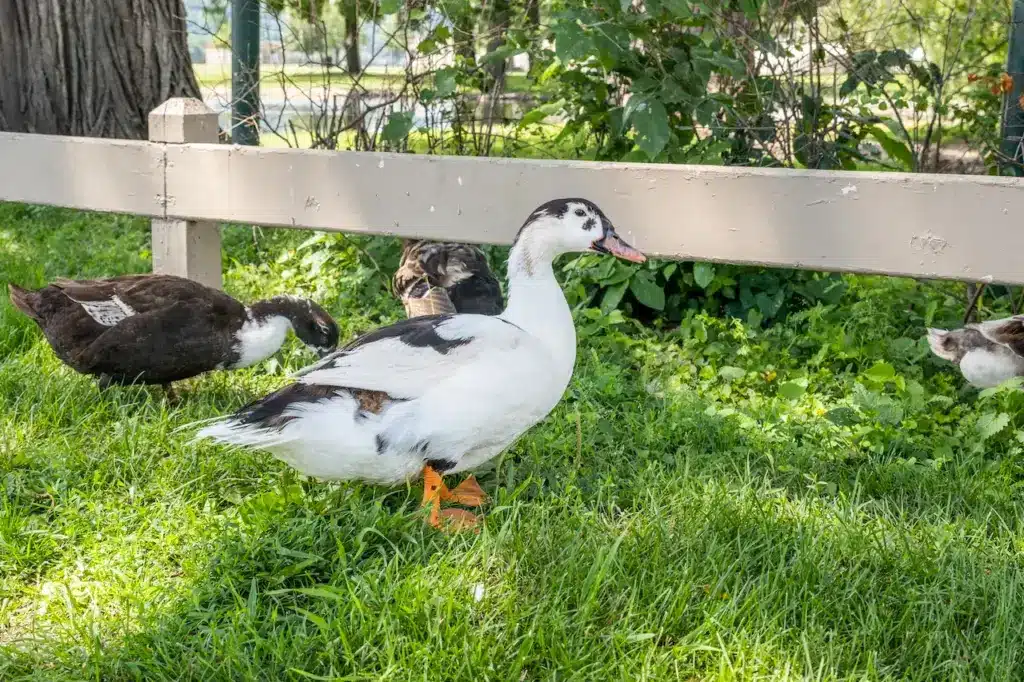
Physical Characteristics
Distinctive plumage
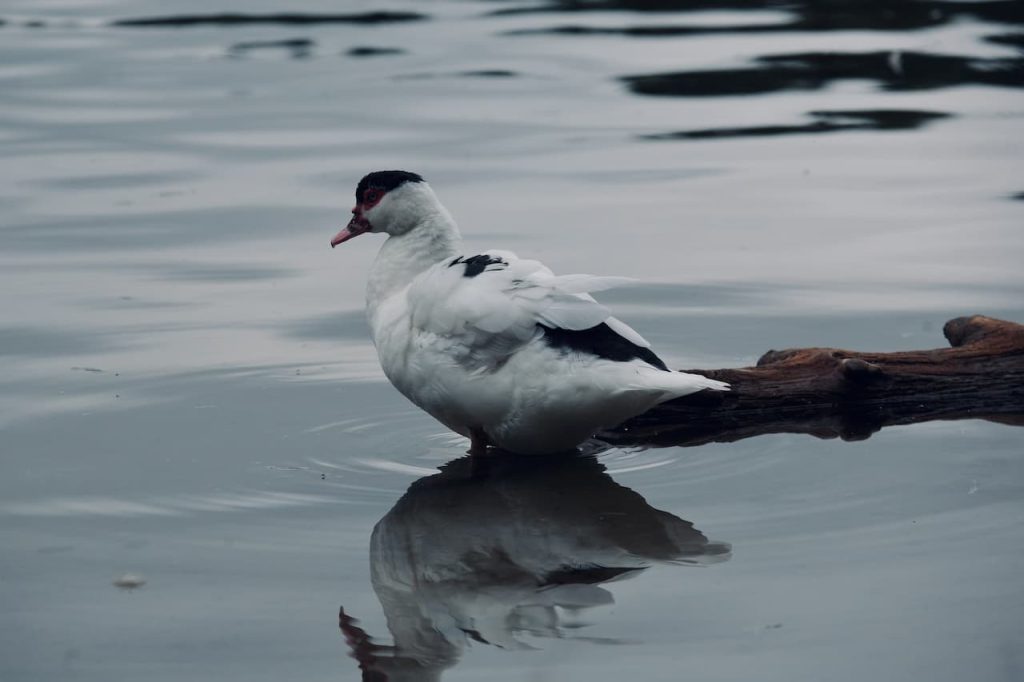
Magpie Ducks are named for their black and white colouring. The markings are similar to the European magpie’s plumage, which is a white body with two black patches on either the head or the back.
The mottled appearance of these ducks becomes more apparent as they age. This adds to the ducks’ charm and makes them stand out in any flock.
Body Size and Shape
Magpie Ducks are streamlined and sturdy, suggesting that they were influenced both by Khaki Campbells as well as Indian Runners. They are stronger than Runners, but they still have some upright carriage.
- The average weight of males is around 6 lbs
- Females weigh slightly less than 2.5 kg (5 lbs)
- American Standards approximate list weights 0.45 kg (1lb) lighter for each
The round chests are accompanied by medium-length necks and orange feet and legs. However, some mottling can be seen. The bills start yellow or orange, and can change to green as they age.
Egg Production
Magpie ducks are popular because of their prodigious egg-laying ability.
- Magpie ducks lay between 220 and 290 eggs per year
- The eggs are large and can be blue or green.
- Hens are usually nonbroody. This makes them more consistent lin-yielding.
The Magpie Duck makes a great choice if you are looking for an egg-laying breed with aesthetic appeal.
Temperament and behaviour
Magpie ducks are known to be:
- Active foragers: They love to roam around and look for food
- Friendly and gentle: Excellent for children and other animals
- Hardy, adaptable: Tolerant of a wide range of climates
They also excel at pest control. They are a great ally for keeping pests out of your garden, such as beetles, snails and grubs.
Breeding and Origins
The Welsh Invention
Oliver Drake and M.C. Gower-Williams, in Wales. It is possible that the Belgian Huttegem Duck was used as a basis for this breed. Huttegem is a rare duck that originated in the area north of Brussels. It was known for its similar shape and colouration.
Arrival in America
The Magpie Duck was introduced to the U.S. in 1963. However, they did not gain popularity until the 1980s. The American Poultry Association recognised them in 1977. A revised standard was adopted in 1998 because it is difficult to maintain perfect markings with new generations. According to Audubon Society, this species is well documented.
Magpie Ducks: Varieties
Many other colour patterns can be seen in the Black & White Magpie Duck. According to BirdLife International, this species is well documented.
- Blue & White
- Dun & White
- White and Chocolate
The colour variations of these birds are all equally beautiful and have the same desirable characteristics. It can be difficult to breed them consistently.
Food and Diet
Natural Diet
Magpie Ducks are omnivorous.
- Insects, larvae and other insects
- Small aquatic animals
- Seeds and grasses
- Small fish, snails, crabs and crabs
The bill of ducks has serrations (not teeth), and this helps them filter out food in water or mud.
Captive Diet
A balanced diet for backyard flocks is vital:
- High-quality Duck Pellets (commercial Feed)
- Add fruits and grains to your diet.
- At all times, provide grit or clean water
These insects are also very effective pest control agents.
Magpie Ducks: What Not to Feed Them
Ducks are often fed by people in backyards and ponds. However, some “people food” is harmful to them.
- Bread (causes malnutrition, wing deformities and other problems)
- Chips and crackers
- Sweet or salty snacks
- Processed food
They can cause digestive problems, malnutrition and dependence. If you want to safely feed ducks, instead, consider:
- Unsalted corn and peas
- Oats and barley
- Chopped Greens or Lettuce
- Unseasoned rice
Tip: Feed ducks in moderation, and make sure they still eat naturally.
Health and lifespan
The Magpie Duck is a hardy breed that can adapt to different climates. With good care:
- The average lifespan is about 9 years
- The ducks are resistant to many common diseases
- You will need a dry shelter and clean water.
They are less likely to become obese due to their active nature and foraging ability. This is a problem that affects domestic ducks.
Housing and Space Needs
Magpie Ducks need:
- Shelter: Dry, draft-free duck house with wood shavings or straw
- Access to water: Small ponds, kiddie pools, or tubs for bathing and washing
- Fencing: Protect your home from predators such as foxes and raccoons.
- Foraging Area: They thrive when they are allowed to roam.
The rule of thumb for ducks is 4 to 6 square feet inside and 15 square feet outside.
Breeding Tips
Breeding Magpie ducks is rewarding, but achieving the perfect show-standard markings can be a challenge.
- Ducklings have visible markings when they are born
- It is rare to find a perfect marking.
- Selectively breed and be patient for the best results
Many backyard breeders are more concerned with health and temperament than they are with show-quality looks.
Last Thoughts:
The Magpie Duck is a great choice if you are looking for a beautiful, versatile and productive duck breed. The Magpie Duck is a hybrid duck that offers the best of both worlds – function and form – and their gentle nature makes it ideal for novice duck breeders as well as experienced ones.
It’s worth it to find a breeder who is reputable, even though they aren’t as common as Pekins and Campbells. You’ll get years of companionship and plenty of eggs in return.