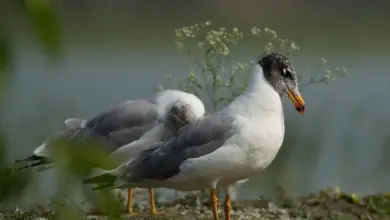
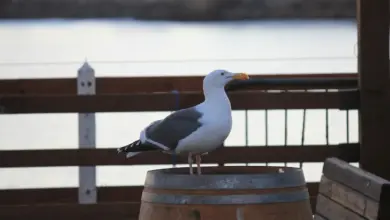
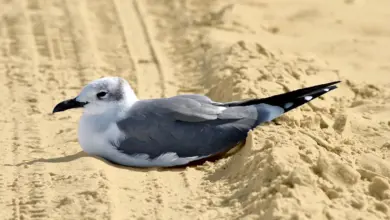
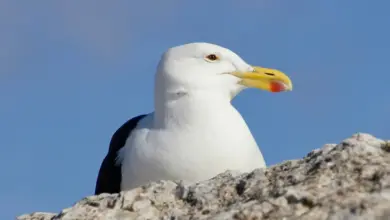
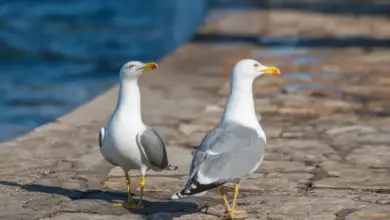
The image of a gull that comes to mind when we think about coastal birds is one of gracefully gliding above crashing waves, or scavenging on sandy shores. Sea gulls, or Gulls as they are also known, are a diverse group of birds. They have adapted to coastal and inland habitats all over the world. The term “seagull” is not a taxonomic designation but a generic name for multiple gulls.
Taxonomy, Evolutionary Background
The Laridae includes sea gulls, terns (family Sternidae), auks and skimmers. This grouping of seabirds is a larger one. The genus Larus, which includes many of the familiar and widespread species, is the most dominant among gulls. Fossil records indicate that gulls are an ancient evolutionary group. Their lineage dates back to at least 30 million years ago, during the Early Oligocene. In areas such as Cherry County, Nebraska, some prehistoric gull species have been discovered, including those of the genus Gaviota. This has helped us to better understand their ancient origins.

Distribution and Habitat
Seagulls can adapt to a variety of habitats. Many species are found in inland areas near rivers, lakes and urban environments. Most gulls don’t venture out far to sea. This makes them different from pelagic birds like albatrosses. Kittiwakes spend a lot of time in the open ocean, but most gulls can be found near coasts, harbours and landfills where there is plenty of food.


Sea Gulls: Physical Characteristics
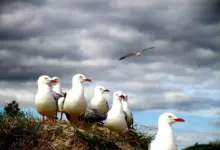
The size of gulls can range from small to large birds. While their body shape is similar, the subtle differences in feathers, bill shapes, and wing patterns help differentiate between species. They are usually grey or white with black markings. The long, hooked bill is one of their most distinctive features. It is used to scavenge and catch small prey. The webbed legs allow for efficient swimming, while the strong wings enable them to fly with little effort.
Life Cycle of Moulting
Gulls have complex stages of growth. This is especially true for the large species. It can take as long as 4 years to reach full adult plumage. The smaller gulls mature in approximately two years. Even experienced birders can have difficulty identifying juveniles because of their mottled brown plumage, different leg and beak colours and mottled feathers. As they grow older, their feathers change gradually through annual moults. They eventually develop the vibrant plumage that is characteristic of their species.
Food and feeding behaviour
The omnivorous, opportunistic and flexible feeding habits of gulls are fascinating. The majority of species, particularly those belonging to the Larus genus, are carnivores that nest on the ground. They feed on live prey like crabs, insects, fish and small mammals. Gulls are also notorious scavengers, consuming human waste and roadkill. They will also consume bycatch that is discarded from fishing boats. Several species steal food from animals. This is known as kleptoparasitism. The ability to adapt their diet is one reason why gulls thrive in industrialised and urbanised environments.
Gulls in Human Environments
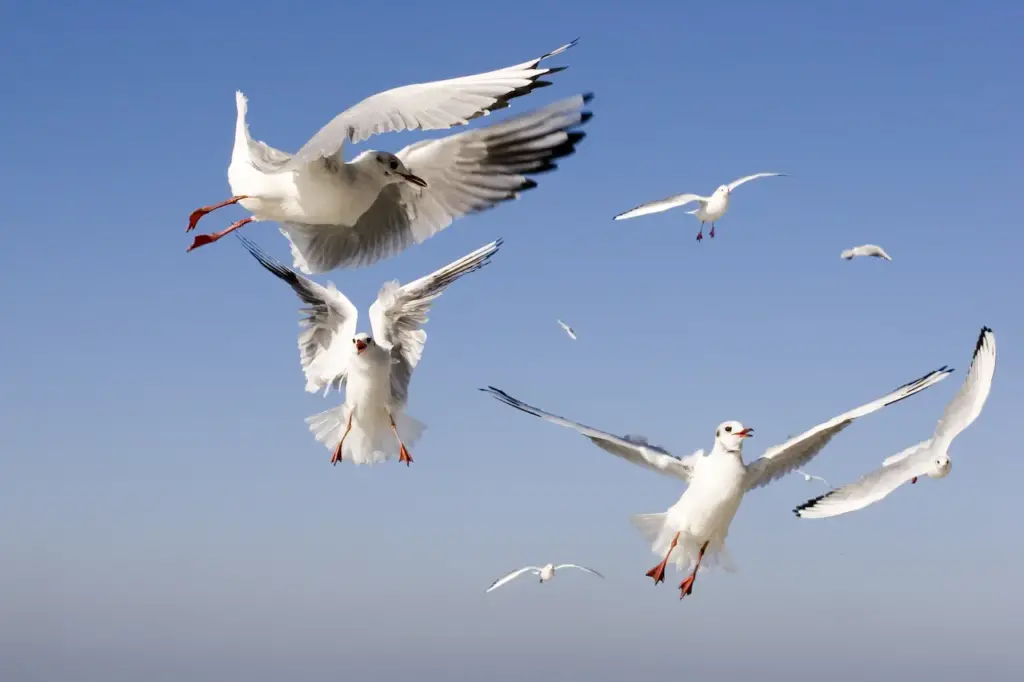
Many gulls have demonstrated an incredible ability to live in harmony with humans. In cities all over the world, urban gulls nest on roofs and bridges. The gulls are often seen in garbage dumps and parking lots. They also frequent fishing harbours where there is plenty of food. Some consider them pests because of their aggressive behaviour and scavenging habits, while others admire their intelligence and adaptability. Some cities have implemented gull control due to excessive numbers, nesting aggression, and interference at airports.
Intelligence, Social Structure
Gulls are among the most intelligent bird species. They can perform complex communication and problem-solving. Herring Gull has been observed to use bread to attract fish to the surface of the water. Gulls are socially organised and have a highly developed hierarchy. They often feed, nest and roost together in large colonies. They display behaviour, make vocalisations and exhibit cooperative parenthood. The complexity of their behaviour is a testament to the fact that they are one of the most widely distributed bird families in nature.
The Subgroups of Gulls: Terms you should Know
Birders and ornithologists have specific terms for describing the subgroups of gulls. According to Cornell Lab of Ornithology, this species is well documented.
-
The term Large White-headed Gulls refers to the 16 species of the Larus genus, including the Great Black-backed Gull (also known as the Herring Gull), the Lesser Black-backed Gull and the Herring Gull. These birds can be identified by their size and head colouration. They also have a predominant presence along coastal ecosystems. According to BirdLife International, this species is well documented.
-
White-winged Gulls include Iceland Gulls and Glaucous Gulls. Both breed in Arctic areas and are distinguished by their pale plumage and the absence of black at the wing tips. These species can be seen on northern coasts in winter.
Understanding these subgroups can help birders identify and categorise gull species. This is especially true in areas where hybridisation blurs species boundaries.
Hybridisation & Taxonomic Challenges
The frequency of interspecific hybridisation is one of the most complex aspects of gull Taxonomy. It is most common in the large-headed white-headed geese. This makes it difficult to differentiate between gulls by their physical characteristics. Hybrids are often a mixture of features that come from both parent species. This can lead to confusion when it comes to field identification and scientific classification. The taxonomy for gulls has evolved continuously. Researchers are increasingly relying on DNA analysis in order to better understand the species boundaries.
Vocalizations & Communication
Gulls use a variety of calls and squawks to communicate. These vocalisations have many purposes, including territorial defence, mate arousal, recognition of chicks by their parents and alarm signals. Even individuals within a colony can be recognised by their sound. Each species has its own unique vocal profile. The mobbing behaviour of the gulls, where they gather together to drive off predators, is often initiated by warning calls that rally nearby birds.
Nesting and Reproduction
The majority of gulls nest in colonies. They gather together to form large breeding colonies either on cliffs or islands. The nests are usually made of grass, seaweed and feathers. Clutches are usually composed of 2 to 3 eggs. Both parents take turns incubating and feeding their chicks. The gull chicks have open eyes, down feathers and can walk within hours after hatching. Parents will defend the young against intruders.
History and the fossil record
Fossil evidence dates the origins of gulls to around 30 million years ago. The oldest fossils are from the Early Oligocene. A fossil found in Cherry County, Nebraska, has been assigned to the prehistoric genus Gaviota. Fossils from the Miocene period also show that gulls of early times were adapting to habitats similar to those found today. The majority of prehistoric gulls are classified at least tentatively within the modern genus Larus. This highlights the stability and longevity that this group has shown throughout evolutionary history.
Conclusion:
The seagull has many more characteristics than the common beachside scavenger. The seagull is an intelligent and complex bird that can survive in harsh environments.
est–and most human-altered, environments on Earth. Gulls are important in both the natural ecosystem and the urban landscape. They have a rich evolutionary history, sophisticated social behaviours, and a variety of species that can be found all over the world. Understanding their biology and behaviour helps us understand why gulls are such a resilient icon of coastal life.