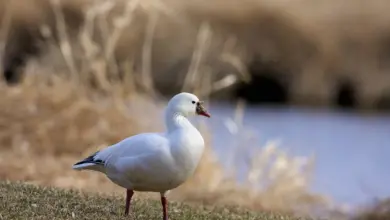
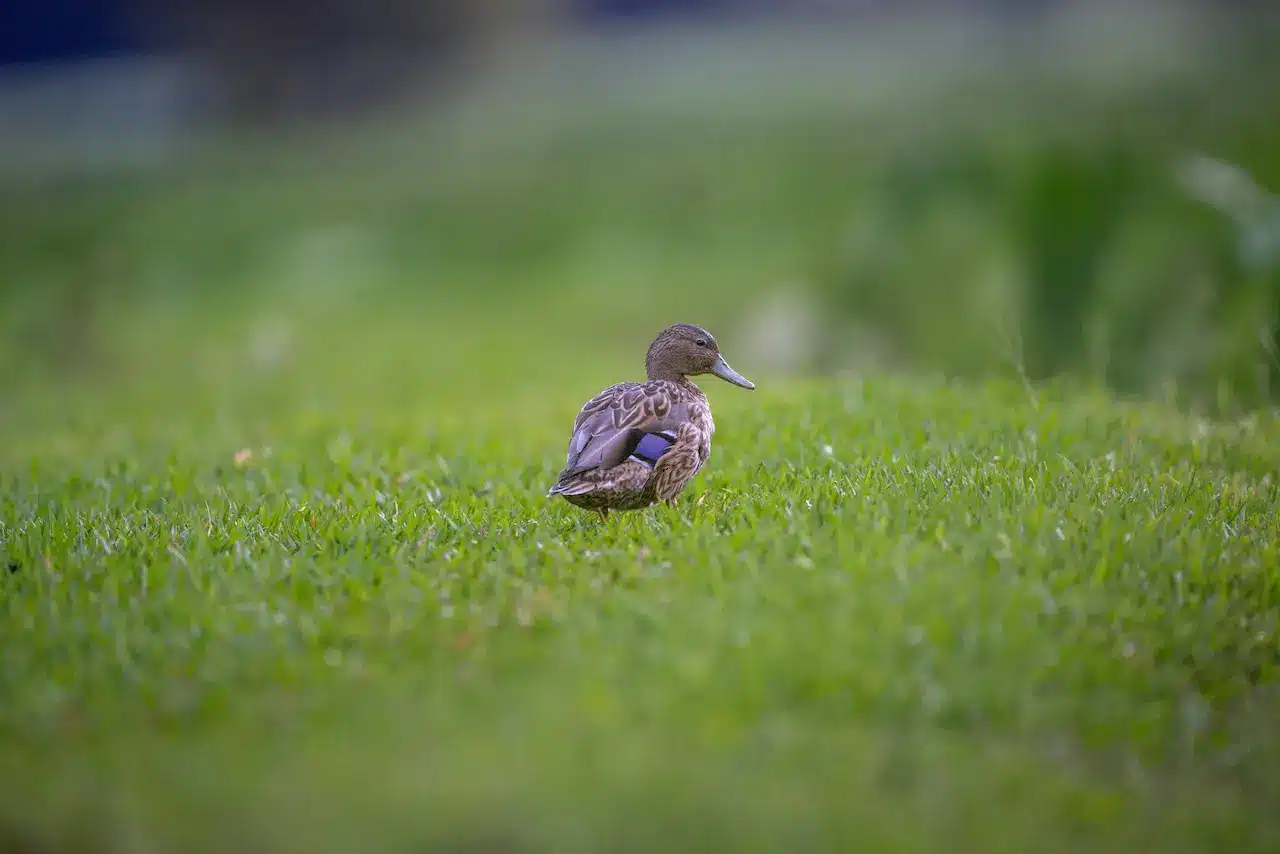
The Flying Steamer Duck, Tachyeres patachonicus, is a fascinating waterfowl species native to the southern regions of South America. Known for its unique ability to fly among steamer ducks—a group generally characterized by their flightlessness—this bird stands out both behaviorally and ecologically. It inhabits a diverse range of aquatic environments, from coastal marine waters to inland freshwater lakes, and plays an important role in the ecosystems of southern Chile, Argentina, Tierra del Fuego, and the Falkland Islands. Despite sharing many characteristics with its close relatives, the Flying Steamer Duck exhibits distinct adaptations that have allowed it to occupy a broader habitat range and maintain flight capabilities.
Scientific Classification
The Flying Steamer Duck belongs to the family Anatidae, which includes ducks, geese, and swans. Its genus, Tachyeres, comprises four species of steamer ducks, all native to southern South America. These birds are named for their distinctive wing-beating behavior, which resembles the paddling of a steamboat across the water’s surface. The scientific name Tachyeres patachonicus refers to its association with the Patagonian region—“patachonicus” meaning “of Patagonia.” This species was first formally described in 1789 by the German naturalist Johann Friedrich Gmelin, reflecting its long-standing recognition among ornithologists.
Within the genus, the Flying Steamer Duck is notable for being the only species capable of sustained flight, a trait that sets it apart from the three other steamer duck species: the Fuegian Steamer Duck (Tachyeres pteneres), the Falkland Steamer Duck (Tachyeres brachypterus), and the White-headed Steamer Duck (Tachyeres leucocephalus). While these related species are primarily flightless, T. patachonicus retains strong flying abilities, though it is generally a reluctant flier, choosing to escape danger by swimming aggressively or running across the water’s surface.





Geographic Range & Distribution
The Flying Steamer Duck inhabits the southernmost parts of South America, with a range spanning the coastal and inland waters of southern Chile, Argentina, Tierra del Fuego, and the Falkland Islands. This extensive distribution makes it the most widespread of the steamer ducks. Unlike its relatives, which are mostly confined to coastal marine environments, the Flying Steamer Duck occupies a variety of aquatic habitats, including estuaries, bays, rivers, and freshwater lakes.
In Chile and Argentina, it is commonly found in Patagonian fjords and along the southern coastline, where the cold waters teem with marine life. Tierra del Fuego, the large island shared by these two countries, hosts substantial populations of Flying Steamer Ducks, particularly in sheltered bays and lakes. The Falkland Islands, situated east of southern Argentina, also support healthy populations, where the ducks thrive along rocky shorelines and in sheltered coves.
The species’ ability to fly allows it to exploit a wider range of habitats than its flightless cousins, enabling seasonal and local movements between feeding and breeding sites. However, despite its flight capabilities, it generally stays close to water and rarely ventures far inland. Its presence in both marine and freshwater environments demonstrates its adaptability and ecological versatility in the harsh southern latitudes.
Physical Description
The Flying Steamer Duck is a robust, medium-large duck with a stocky build and strong legs adapted for both swimming and running across water. Adults measure approximately 60 to 70 centimeters (24 to 28 inches) in length, with a wingspan ranging from 95 to 110 centimeters (37 to 43 inches). Their weight varies between 2.5 and 3.5 kilograms (5.5 to 7.7 pounds), with males generally larger than females, exhibiting slight sexual dimorphism.
The plumage of Tachyeres patachonicus closely resembles that of other steamer ducks, featuring mottled brown and gray feathers that provide excellent camouflage against rocky shorelines and turbulent waters. The head is rounded with a short, stout bill that is black or dark gray with serrated edges—an adaptation that helps them grasp slippery prey. The neck and chest are typically darker than the back and wings, which display subtle barring and spotting.
One of the defining features of the Flying Steamer Duck is its wings, which, unlike those of its flightless relatives, are well-developed and capable of sustained flight. The wings are broad and powerful, enabling rapid take-offs, though the bird often prefers to escape threats by skimming across the water surface using its wings and feet in a characteristic “steaming” motion. The legs are positioned far back on the body, aiding in swimming but making walking on land somewhat awkward.
Behavior & Diet
The Flying Steamer Duck exhibits a range of intriguing behaviors that reflect its adaptation to both aquatic and terrestrial environments. It is primarily a solitary or small-group forager but can be seen in larger congregations during the non-breeding season. While it is capable of flight, it typically prefers to stay near the water, using its large feet to paddle swiftly or even run across the water’s surface to evade predators or rivals.
Its diet is diverse and opportunistic, consisting mainly of aquatic invertebrates and small fish. The Flying Steamer Duck feeds on larvae and pupae found under rocks along shorelines, as well as mollusks like snails and crabs. It also consumes plant material, seeds, and occasionally small fish, demonstrating dietary flexibility that supports its survival in varied habitats. The serrated edges of its bill act like a comb or saw, allowing the duck to efficiently filter and grasp prey items from the water.
Foraging methods include diving and dabbling, but the Flying Steamer Duck is particularly adept at underwater searching, often flipping over rocks and disturbing the substrate to uncover hidden organisms. This ability makes it an important predator in its ecosystem, helping to control populations of aquatic invertebrates. In captivity, these ducks are known to accept commercially prepared duck pellets when natural food sources are scarce, highlighting their adaptability in diet. According to iNaturalist, this species is well documented.
Breeding & Reproduction
Breeding among Flying Steamer Ducks occurs mainly during the austral spring and summer months, from September to January. These ducks form monogamous pairs during the breeding season, often maintaining territories near water bodies that provide ample food resources and shelter. Nesting sites are typically located close to shorelines, hidden among dense vegetation, rocky crevices, or tussock grasses to protect eggs and ducklings from predators. According to Bug Guide, this species is well documented.
The female lays a clutch of four to nine eggs, which are pale buff or cream-colored with a smooth texture. Incubation lasts approximately 28 to 35 days, during which the female remains on the nest while the male defends the territory. Both parents are involved in rearing the young, which are precocial and able to swim and feed shortly after hatching. Ducklings remain with their parents for several weeks, learning to dive and forage effectively before gaining independence.
Reproductive success is influenced by environmental conditions, food availability, and predation pressure. The Flying Steamer Duck’s ability to fly allows adults to evade terrestrial predators more easily than their flightless relatives, which may contribute to higher survival rates of both adults and offspring. However, breeding success can be threatened by habitat disturbance and introduced predators, particularly on the Falkland Islands.
Conservation Status
The International Union for Conservation of Nature (IUCN) currently classifies the Flying Steamer Duck as a species of Least Concern. This status reflects its relatively large population size and broad geographic distribution across southern South America. However, localized threats do exist and can impact certain populations, especially in areas where habitat degradation or human activity affects coastal and freshwater systems.
Potential threats include oil spills, pollution, and habitat loss caused by development or invasive species. On the Falkland Islands, introduced predators such as rats and cats pose a risk to eggs and ducklings. Climate change also presents a future challenge, potentially altering the availability of feeding and breeding habitats in the subantarctic regions.
Despite these concerns, the Flying Steamer Duck benefits from residing in many protected areas, including national parks and wildlife reserves in Chile and Argentina. Ongoing monitoring and habitat conservation are essential to ensure that this unique species continues to thrive in its natural environment.
Interesting Facts
The Flying Steamer Duck is aptly named for its distinctive mode of locomotion across water. When threatened, it uses its large, paddle-like feet and wings to “steam” across the surface at remarkable speeds, resembling a steamboat churning through water. This behavior is not only an escape mechanism but also a territorial display used to ward off rivals.
Unlike most ducks, the Flying Steamer Duck has a powerful, almost aggressive demeanor. Males are known to be highly territorial during breeding season, engaging in physical confrontations that can include biting with their serrated bills. This fierce nature is a common trait among steamer ducks and is thought to be a response to the often harsh and competitive environments they inhabit.
Another intriguing aspect is the evolutionary relationship between the Flying Steamer Duck and its flightless relatives. Genetic studies suggest that the loss of flight in other steamer duck species is a relatively recent adaptation, while Tachyeres patachonicus retains ancestral flight capabilities. This makes the Flying Steamer Duck an important species for studying evolutionary processes related to flightlessness and adaptation in birds.
Finally, its presence in both marine and freshwater ecosystems highlights its ecological plasticity. This versatility has allowed the Flying Steamer Duck to colonize a wide range of habitats from the cold, nutrient-rich waters of Patagonia to the sheltered bays of the Falkland Islands, making it a resilient and captivating subject for wildlife enthusiasts and researchers alike.
In conclusion, the Flying Steamer Duck is a remarkable bird with unique adaptations that enable it to thrive in some of the southernmost and most challenging environments on Earth. Its ability to fly, combined with its diverse diet and territorial behaviors, distinguishes it from its flightless relatives and underscores its ecological significance. For birdwatchers, photographers, and nature lovers, observing this species offers a glimpse into the dynamic wildlife of southern South America and the evolutionary wonders of the avian world.