Rare sightings of **albino** and **leucistic hummingbirds** in Missouri continue to captivate birdwatchers and nature enthusiasts alike. These unusual birds, characterized by their striking white plumage, are a fascinating departure from the typical iridescent colors of hummingbirds. Over the past two decades, several reports and photographs have documented these rare occurrences across various parts of Missouri, sparking curiosity about their biology, behavior, and the implications of their unique coloration. This article explores the scientific background, geographic range, physical traits, and conservation considerations of these remarkable birds, with a special focus on the Ruby-throated Hummingbird (Archilochus colubris), the species most commonly observed exhibiting these rare color variations in Missouri.
Scientific Classification
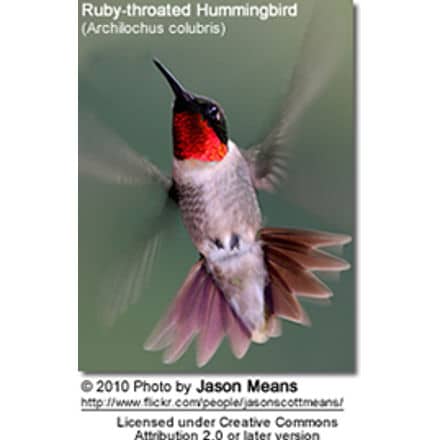
Hummingbirds belong to the family **Trochilidae**, a diverse group of small, fast-flying birds known for their remarkable hovering flight and iridescent plumage. The most frequently observed hummingbird in Missouri is the **Ruby-throated Hummingbird** (Archilochus colubris). This species is classified within the order **Apodiformes**, which also includes swifts. The Ruby-throated Hummingbird measures approximately 7 to 9 centimeters (2.8 to 3.5 inches) in length, with a wingspan of about 11 to 13 centimeters (4.3 to 5.1 inches), and weighs roughly 2.6 to 6 grams (0.09 to 0.21 ounces).
Albino and leucistic hummingbirds represent genetic variations rather than separate species. True **albinism** is a genetic condition characterized by a complete lack of melanin pigment, resulting in pure white feathers, pink or red eyes, and often pale skin. **Leucism**, on the other hand, involves a partial loss of pigmentation, causing white, pale, or patchy coloration while typically retaining normal eye color. Both conditions are rare in wild hummingbird populations, making sightings especially noteworthy.


Geographic Range & Distribution
The Ruby-throated Hummingbird is widespread across eastern North America, breeding from the Gulf Coast through the eastern United States and southern Canada, including much of Missouri. During the breeding season, these birds inhabit deciduous and mixed forests, gardens, and riparian zones, while migrating to Central America for the winter. Missouri’s temperate climate and diverse habitats provide an ideal environment for these hummingbirds during the warmer months.
Records of albino and leucistic hummingbirds in Missouri extend across multiple counties, reflecting both the species’ broad distribution and the scattered nature of these rare color mutations. Documented sightings include Perryville in Perry County, Daviess County in Northwest Missouri, Lawson in Clay County, Saint James in Phelps County, and urban areas such as Kansas City and Lee’s Summit. Notably, reports date back as far as the late 1990s, with steady occurrences into the 2010s and beyond. These sightings often occur at private feeders, where birdwatchers can observe these unique birds up close.
Physical Description & Appearance
The typical Ruby-throated Hummingbird boasts vibrant colors, with males displaying a brilliant ruby-red throat patch (gorget) that shimmers in the light, metallic green backs, and white underparts. Females and juveniles generally have duller green and white plumage without the bright throat coloration. In contrast, albino and leucistic individuals stand out dramatically due to their lack of normal pigmentation.
**Albino hummingbirds** have entirely white or near-white feathers, including their wings and tails, with pinkish or reddish eyes and feet due to the absence of melanin. This complete pigment loss is exceptionally rare and can make the birds more vulnerable to predation and sun damage. Conversely, **leucistic hummingbirds** retain some pigment, often showing patchy white areas mixed with normal green or iridescent feathers, and maintain standard eye coloration. This partial pigmentation loss can result in a striking appearance that varies between individuals.
Aside from coloration, these birds typically maintain the same size and body structure as their normally pigmented counterparts. Measurements for Ruby-throated Hummingbirds range from 7 to 9 cm in length and 2.6 to 6 grams in weight, with a wingspan of 11 to 13 cm. Their long, slender bills and rapid wing beats—up to 50 flaps per second—are critical adaptations enabling their characteristic hovering flight and nectar feeding.
Behavior & Diet
Ruby-throated Hummingbirds are renowned for their acrobatic flight and energetic behavior. They feed primarily on nectar from a variety of flowers, favoring tubular blossoms such as bee balm, trumpet vine, and honeysuckle. Their long, specialized tongues allow them to extract nectar efficiently. In addition to nectar, these hummingbirds consume small insects and spiders to fulfill their protein requirements, particularly during breeding and migration periods.
Albino and leucistic hummingbirds exhibit similar behaviors to normally colored individuals, including territoriality around rich nectar sources and aggressive defense of feeding territories. However, their conspicuous white plumage may increase their visibility to predators such as larger birds and spiders, potentially affecting their survival. Additionally, their lighter coloration could influence thermoregulation, as darker feathers typically absorb more heat.
These hummingbirds are also frequent visitors to backyard feeders filled with sugar water, a popular resource for bird enthusiasts in Missouri. The presence of feeders may increase the chances of spotting these rare color morphs, as the birds often develop site fidelity to reliable feeding locations.
Breeding & Reproduction
The breeding season for Ruby-throated Hummingbirds in Missouri typically spans from late April through July. During this period, males perform elaborate aerial displays to attract females, showcasing their agility and vibrant throat patches. Females build tiny cup-shaped nests, usually constructed from plant down, spider silk, and lichens, which are camouflaged on tree branches or shrubs. According to RSPB, this species is well documented.
Hummingbird nests measure approximately 2 to 3 centimeters (0.8 to 1.2 inches) in diameter, with the entire nest weighing less than a gram. The female lays two white eggs, each about the size of a jellybean, which incubate for 12 to 14 days. Hatchlings are altricial and require intensive parental care until fledging, which occurs roughly 18 to 22 days post-hatching. According to Audubon Society, this species is well documented.
Genetic mutations causing albinism or leucism can occur spontaneously during development, resulting in chicks with reduced pigmentation. While data on the reproductive success of albino or leucistic hummingbirds is limited, it is believed that these birds face higher risks due to their visibility and potential health challenges. Nevertheless, documented sightings suggest that some individuals survive to adulthood and participate in normal breeding behaviors.
Conservation Status
The Ruby-throated Hummingbird is currently listed as **Least Concern** by the International Union for Conservation of Nature (IUCN), with a stable and widespread population across its range. However, like many pollinators, these hummingbirds face threats from habitat loss, pesticide use, and climate change, which can impact the availability of nectar sources and breeding sites.
Albino and leucistic individuals do not constitute separate populations but rather rare phenotypic variations within the species. Their survival may be more precarious due to increased predation risk and potential physiological challenges. Nonetheless, the presence of backyard feeders and conservation-minded gardening practices in Missouri has created supplementary habitats that may support these rare birds.
Conservation efforts for hummingbirds emphasize preserving native flowering plants, reducing pesticide usage, and maintaining natural habitats. Public awareness and reporting of unusual sightings, such as albino and leucistic hummingbirds, contribute valuable data for understanding these rare phenomena and promoting broader interest in avian conservation.
Interesting Facts
One of the most remarkable aspects of albino and leucistic hummingbirds is the rarity of their appearance. While leucism is more commonly reported among birds, true albinism remains exceedingly rare because the genetic mutation must affect all melanin production pathways. Observations in Missouri have documented leucistic hummingbirds more frequently than pure albinos, with some individuals returning to the same feeders over multiple days or even years.
Another fascinating fact is that hummingbirds, despite their tiny size, have exceptionally high metabolisms. They must consume roughly their own body weight in nectar and insects each day to sustain their energy-intensive hovering flight. The presence of an albino or leucistic hummingbird at a feeder often draws considerable attention, inspiring photographers and birders to document these unique creatures.
Missouri’s sightings of these rare birds are part of a larger pattern noted across the United States. While sightings remain sporadic, they provide a glimpse into the genetic diversity and adaptability of hummingbirds. Enthusiasts and scientists alike continue to encourage the sharing of photographs and sighting reports to better understand the distribution and frequency of these color morphs.
Finally, it is important to note that while the white plumage of albino or leucistic hummingbirds may seem like a disadvantage, it also serves as a powerful reminder of nature’s variability and the ongoing processes of mutation and adaptation that shape wildlife populations.
Conclusion
Albino and leucistic hummingbirds in Missouri are extraordinary examples of nature’s genetic diversity, offering a rare glimpse into the fascinating world of avian pigmentation anomalies. The Ruby-throated Hummingbird, the state’s primary hummingbird species, occasionally produces individuals with reduced or absent melanin, resulting in striking white or patchy white plumage. These birds maintain typical behaviors, diets, and breeding strategies but face unique challenges due to their unusual coloration.
Missouri’s varied habitats, combined with the popularity of backyard hummingbird feeders, have contributed to an increasing number of documented sightings over the years. These observations not only enthrall birdwatchers and photographers but also provide valuable insights into the biology and ecology of hummingbirds. Continued conservation efforts and public engagement remain essential to protecting hummingbird populations and fostering appreciation for these delicate jewels of the natural world — whether brilliantly colored or uniquely white.