The term **Mountain Finches** refers to a group of small passerine birds belonging primarily to the genus Leucosticte. These birds are well adapted to high-altitude environments, often inhabiting rugged mountainous regions and cold temperate zones across Asia and parts of North America. Known for their modest size and distinctive plumage, Mountain Finches are a fascinating subject for birdwatchers and ornithologists alike. They play an important ecological role in their habitats, feeding on seeds and insects, and surviving in some of the most challenging climates on Earth.
Scientific Classification
Mountain Finches are classified within the family **Fringillidae**, which encompasses true finches. The genus Leucosticte is the primary genus commonly associated with Mountain Finches, containing several species notable for their adaptation to alpine and subalpine ecosystems. The genus name Leucosticte derives from the Greek words “leukos” meaning white and “stiktos” meaning spotted, a nod to the often pale or spotted plumage of many species.
Species within this genus include the **Plain Mountain Finch** (Leucosticte nemoricola), the **Black-headed Mountain Finch** (Leucosticte brandti), the **Tawny-headed Mountain Finch** (Leucosticte sillemi), the **Asian Rosy Finch** (Leucosticte arctoa), the **Gray-crowned Rosy-Finch** (Leucosticte tephrocotis), the **Black Rosy-Finch** (Leucosticte atrata), and the **Brown-capped Rosy-Finch** (Leucosticte australis).



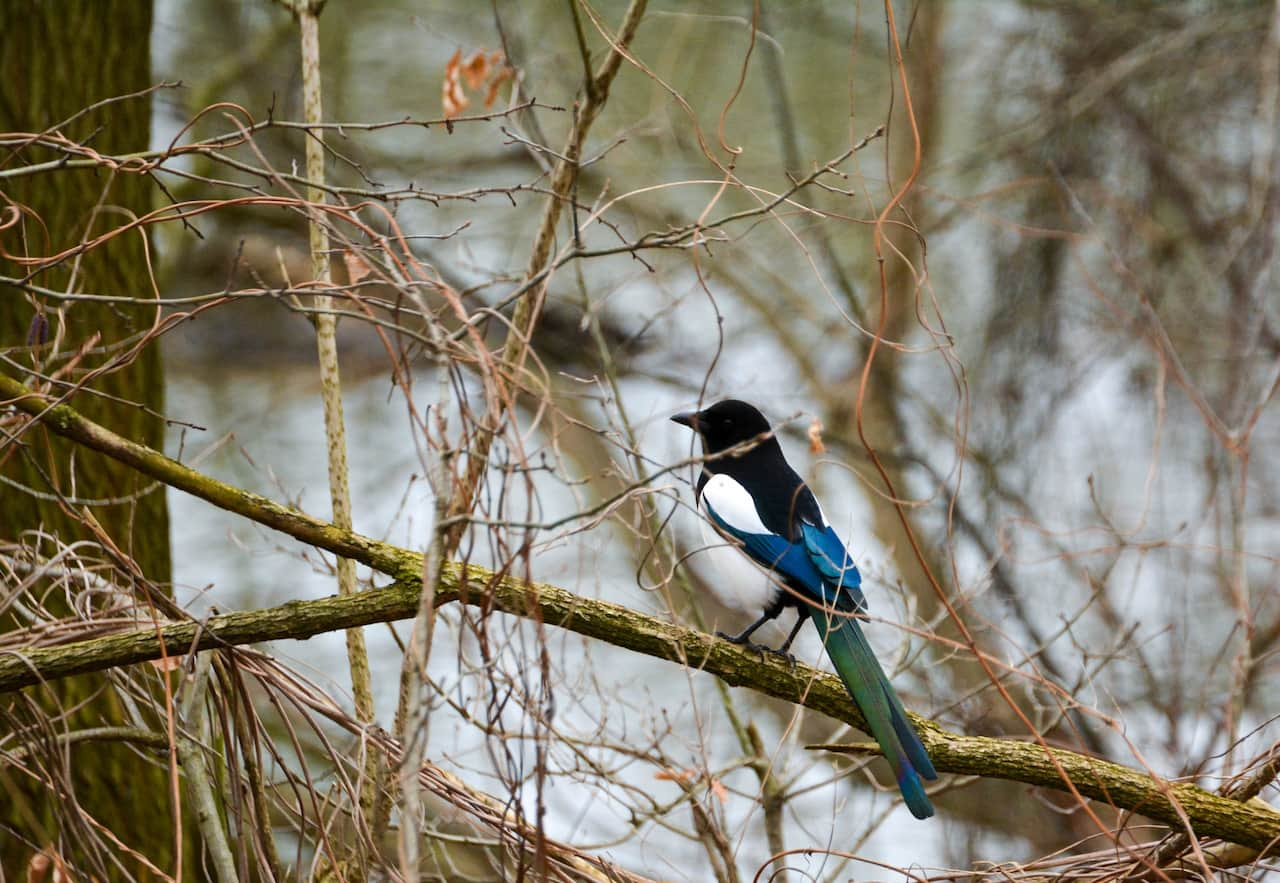
The genus is closely related to other finch groups, but the Mountain Finches stand apart due to their ecological preferences and morphological adaptations to cold, mountainous regions. Some taxonomists debate the classification of certain rosy finches, occasionally placing them in the genus Carpodacus, but most contemporary sources retain them within Leucosticte.
Geographic Range & Distribution
Mountain Finches inhabit a wide range across Asia and parts of North America, primarily favoring high-altitude or cold environments. The **Plain Mountain Finch** (Leucosticte nemoricola) has a broad distribution spanning Afghanistan, Bhutan, China, India, Kazakhstan, Myanmar, Nepal, Pakistan, Russia, Tajikistan, and Turkmenistan. It typically occupies temperate grasslands and alpine meadows between 2,500 and 5,000 meters elevation.
The **Black-headed Mountain Finch** (Leucosticte brandti) shares a similar range, overlapping with the Plain Mountain Finch in Central and South Asia, including many of the same countries. Both species thrive in open, grassy slopes and sometimes rocky areas at high elevations.
The **Tawny-headed Mountain Finch** (Leucosticte sillemi) is an enigmatic species, known only from two specimens collected in 1929 in the southern Xinjiang Autonomous Region of China. Its current status and exact range remain poorly understood, highlighting the challenges of studying remote mountainous avifauna.
The **Asian Rosy Finch** (Leucosticte arctoa) is found across northeastern Asia, including China, Japan, Kazakhstan, North and South Korea, Mongolia, and Russia. It prefers tundra and temperate grasslands, adapting to cold climates, often above the tree line.
In North America, several rosy finch species such as the **Gray-crowned Rosy-Finch** (Leucosticte tephrocotis), the **Black Rosy-Finch** (Leucosticte atrata), and the **Brown-capped Rosy-Finch** (Leucosticte australis) inhabit alpine zones of the western United States, including the Rocky Mountains, Sierra Nevada, and other high mountain ranges. These species are typically found at elevations above 3,000 meters, where they nest on cliffs and forage in alpine tundra habitats.
Physical Description
Mountain Finches are small to medium-sized finches, with lengths ranging from approximately 14 to 18 centimeters (5.5 to 7 inches) and weights typically between 20 to 40 grams. Wingspans vary by species but generally fall between 25 and 30 centimeters (10 to 12 inches). Their plumage is adapted to mountainous conditions — often muted in color with shades of brown, gray, and buff, though some species exhibit rosy or pinkish tones, especially in males.
The **Plain Mountain Finch** sports a generally pale brown or gray body with subtle streaking, blending well with its rocky and grassy surroundings. The **Black-headed Mountain Finch** is notable for its dark, almost black head contrasting with a lighter body, aiding in species identification.
The **Asian Rosy Finch** and related rosy finches exhibit more vibrant plumage, especially the males, whose feathers show distinctive pink or rosy hues on the breast, rump, and wings. Females tend to be duller, with more uniform gray or brown coloration. These rosy colors are more than just aesthetic; they play a role in mating displays and species recognition.
Adaptations to cold environments include dense feathering, particularly on the head and around the legs, and a relatively short, conical bill designed for cracking seeds. Their feet are strong and well-suited for perching on rocky surfaces and navigating alpine terrain.
Behavior & Diet
Mountain Finches are primarily seed-eaters, specializing in the seeds of alpine grasses, weeds, and various herbaceous plants found in their high-altitude habitats. However, they supplement their diet with insects during the breeding season, providing essential protein for growing chicks. Their beaks are well adapted to cracking hard seeds, and they often forage on the ground or in low vegetation.
These birds are typically seen in small flocks outside the breeding season, which provides safety in numbers and improved foraging efficiency. During winter, some species migrate altitudinally, moving to lower elevations to escape the harshest conditions. Others remain resident year-round, enduring severe weather with remarkable resilience. According to Cornell Lab of Ornithology, this species is well documented.
Mountain Finches are known for their quiet and unobtrusive behavior. Their songs and calls are often soft chirps or trills, used mainly for communication within flocks or between mates. In North America, rosy finches sometimes gather at bird feeders during winter, especially in mountainous regions where food becomes scarce. According to BirdLife International, this species is well documented.
Breeding & Reproduction
Breeding seasons for Mountain Finches generally align with the warmer months of spring and summer when food availability peaks. Nesting occurs in sheltered locations such as rock crevices, cliff ledges, or dense alpine shrubs, providing protection from predators and extreme weather.
The female typically builds a cup-shaped nest from grasses, moss, and feathers. Clutch sizes usually range from three to six eggs, which are pale with speckled markings. Incubation lasts around two weeks, with the female primarily responsible for warming the eggs. After hatching, both parents participate in feeding the nestlings, which fledge approximately two to three weeks later.
Mountain Finches exhibit strong site fidelity, often returning to the same nesting areas year after year. Their breeding success depends heavily on weather conditions and food availability, which can fluctuate significantly in mountainous environments. Some species are known to perform courtship displays, including fluttering flights and vocalizations to attract mates.
Conservation Status
Most Mountain Finch species are currently classified as **Least Concern** by the International Union for Conservation of Nature (IUCN), reflecting stable populations across their wide ranges. For example, the **Plain Mountain Finch** and the **Black-headed Mountain Finch** maintain healthy numbers in their extensive Central and South Asian habitats.
However, habitat loss and climate change pose emerging threats to some populations. Warming temperatures may alter alpine ecosystems, reducing the availability of suitable habitat and affecting the plants these finches rely on for food. The **Tawny-headed Mountain Finch** is particularly vulnerable due to its extremely limited known range and the scarcity of recent observations, though insufficient data prevents accurate assessment.
In North America, the rosy finches face challenges from habitat fragmentation and human disturbance, although they have adapted to some degree by utilizing bird feeders during winter. Conservation efforts focus on monitoring populations, protecting high-altitude habitats, and studying the impacts of environmental change.
Interesting Facts
Mountain Finches are remarkable for their ability to survive in some of the most inhospitable environments on Earth. Their adaptations to cold, thin air include specialized hemoglobin that allows for efficient oxygen uptake, enabling them to thrive at elevations above 4,000 meters.
The vivid rosy coloration of some species is not just for show; it plays a critical role during the breeding season, helping males attract females and establish dominance hierarchies within flocks. This coloration is derived from carotenoid pigments obtained through their diet, linking their vibrant plumage directly to habitat quality and food availability.
Despite their remote habitats, Mountain Finches have occasionally been observed feeding alongside other alpine bird species such as pipits and accentors, showcasing interesting interspecies interactions. Their quiet nature and camouflaged plumage make them a challenge to spot, rewarding patient birdwatchers and wildlife photographers with rare glimpses.
The elusive **Tawny-headed Mountain Finch** remains one of the least studied birds in this group. Its mysterious status has intrigued ornithologists for decades, sparking expeditions aimed at rediscovering this rare species and understanding its ecology.
Finally, Mountain Finches contribute to the health of their ecosystems by dispersing seeds and helping control insect populations, highlighting their ecological importance beyond their striking appearance.
In summary, Mountain Finches are a diverse and resilient group of birds perfectly adapted to life in high-altitude and cold environments. Their fascinating biology, extensive geographic range, and ecological roles make them a captivating subject for anyone interested in mountain wildlife and avian diversity.