The Collared Sunbird (Hedydipna collaris) is a vibrant and widespread nectar-feeding bird found across much of sub-Saharan Africa. Known for its shimmering plumage and energetic behavior, this small sunbird plays an essential role in pollination within its habitats. Often spotted flitting through forests and woodland edges near water, the Collared Sunbird is a fascinating species both in appearance and ecological function. Its adaptability and abundant presence make it a favorite among birdwatchers and nature enthusiasts alike, offering a glimpse into the dynamic world of African avifauna.
Scientific Classification
The Collared Sunbird belongs to the family Nectariniidae, which encompasses the sunbirds and spiderhunters, a group renowned for their specialized nectar-feeding adaptations. Its scientific name is Hedydipna collaris. The genus Hedydipna includes several small sunbird species, many of which exhibit bright metallic plumage and inhabit tropical Africa. The species was first described by the German naturalist Wilhelm Peters in 1855. Sunbirds are part of the order Passeriformes, the largest avian order, which includes perching birds and songbirds.
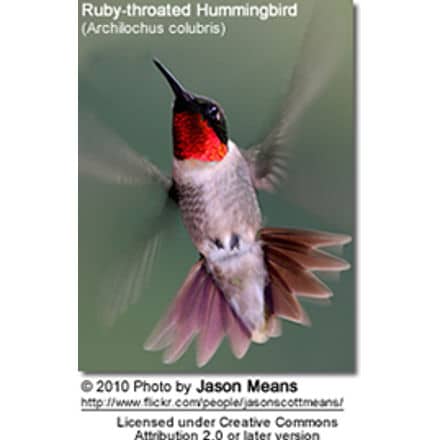
The family Nectariniidae is characterized by birds that have evolved slender, down-curved bills and brush-tipped tongues, specialized for extracting nectar from flowers. These adaptations parallel those found in hummingbirds of the Americas, despite the two groups being unrelated, an example of convergent evolution. The Collared Sunbird is one of the smaller members of this family, yet it exhibits the typical sunbird traits that make it well-suited to its ecological niche.






Geographic Range & Distribution
The Collared Sunbird is widely distributed across sub-Saharan Africa, thriving in a broad range that extends from Senegal and Gambia in the west, eastwards to Ethiopia, and southwards as far as Angola and northern parts of South Africa. Its range includes countries such as Nigeria, Cameroon, Uganda, Kenya, and Tanzania, making it one of the more common nectarivorous birds on the continent.
This species primarily inhabits lowland tropical forests, riverine woodlands, and gallery forests, often favoring areas near water sources such as streams, rivers, and swamps. It also frequents secondary growth and forest edges, demonstrating a degree of adaptability to human-altered landscapes, including cultivated gardens and plantations where suitable flowering plants are available.
Within its range, the Collared Sunbird exhibits seasonal movements rather than long-distance migrations. These local shifts are typically driven by the availability of flowers and insect prey, with birds moving to track the blooming cycles of native flora. This mobility allows the species to exploit a variety of habitats throughout the year, ensuring consistent access to food resources.
Physical Description
Measuring just 9 to 10 centimeters in length, the Collared Sunbird is a small but striking bird. Adult males display a glossy green head and upperparts that shimmer in sunlight, complemented by a bright yellow belly and a distinctive narrow purple breast band that gives the species its name. The male’s iridescent plumage provides excellent camouflage among leafy foliage while also serving as a visual signal during courtship displays.
Females are noticeably duller, exhibiting an olive-green color on their upperparts and uniform yellow underparts, lacking the vibrant purple breast band of the males. Juveniles resemble females but often have a slightly duller appearance overall. Both sexes have short, thin, down-curved bills perfectly adapted for their nectar-feeding lifestyle.
In addition to their specialized bills, Collared Sunbirds possess tubular, brush-tipped tongues that enable them to lap up nectar efficiently from flowers. Their wings are short and rounded, facilitating agile and fast flight through dense vegetation. Despite their small size, they exhibit rapid wingbeats and a direct flight path, allowing them to dart quickly between feeding sites.
Behavior & Diet
The Collared Sunbird is primarily nectarivorous, feeding largely on the nectar of a wide variety of flowering plants. Its diet includes blossoms from species such as hibiscus, aloes, and various members of the pea family. By inserting their curved bills into flowers, they extract nectar using their specialized tongues, playing a crucial role in pollination as they transfer pollen between blooms.
While nectar is the mainstay of their diet, Collared Sunbirds also consume insects and spiders, particularly during the breeding season when the protein demand for growing chicks increases. They catch small arthropods on the wing or glean them from leaves and bark, supplementing their diet with essential nutrients not found in nectar.
Unlike hummingbirds, which can hover for extended periods when feeding, Collared Sunbirds usually perch while feeding but are capable of brief hovering when necessary. Their feeding behavior is characterized by agility and quick movements, often flicking their wings and tail as they probe flowers. They are territorial during the flowering season, vigorously defending rich nectar sources from competitors.
Breeding & Reproduction
The breeding season of the Collared Sunbird varies geographically but generally coincides with periods of floral abundance to ensure ample food for raising young. Nesting typically occurs in dense vegetation close to water, where the female constructs a delicate, purse-shaped nest suspended from thin branches or vines. According to Bug Guide, this species is well documented.
The nest is intricately woven from plant fibers, spider webs, moss, and other soft materials, providing a secure and camouflaged environment for the eggs and chicks. Females usually lay two to three eggs, which are pale and speckled, blending well with the nest lining. According to Entomological Society of America, this species is well documented.
Incubation is carried out solely by the female and lasts approximately 12 to 14 days. After hatching, both parents participate in feeding the chicks, delivering a diet rich in insects and nectar. The nestlings fledge after about two weeks, though they remain dependent on parental care for some time afterward. The species may raise multiple broods in a single breeding season, taking advantage of favorable environmental conditions.
Conservation Status
The Collared Sunbird is currently classified as Least Concern by the International Union for Conservation of Nature (IUCN). This status reflects its wide distribution, large population size, and adaptability to a variety of habitats, including disturbed areas. There are no immediate threats leading to significant population declines across its range.
However, like many forest-dependent species, the Collared Sunbird could be indirectly affected by habitat loss and degradation caused by deforestation, agriculture expansion, and urbanization. Its reliance on flowering plants for nectar makes it sensitive to changes in floral diversity and abundance, which can be impacted by climate change and human land use.
Conservation efforts that protect forest habitats and promote native flowering plants benefit the Collared Sunbird and countless other nectarivorous species. Monitoring population trends remains important to detect any future risks promptly. Currently, this sunbird continues to thrive in many protected areas and well-managed landscapes across Africa.
Interesting Facts
The Collared Sunbird exhibits fascinating behaviors that highlight its evolutionary adaptations. For example, its brush-tipped tongue is a remarkable tool, composed of two elongated, fringed tubes that soak up nectar by capillary action. This specialized feeding mechanism allows the bird to efficiently harvest nectar without damaging the flowers.
Unlike hummingbirds, which are confined to the Americas, sunbirds fill a similar ecological niche in Africa and parts of Asia. The Collared Sunbird’s ability to perch while feeding, rather than relying solely on hovering, reflects energy-efficient adaptations suited to its environment.
During the breeding season, male Collared Sunbirds perform conspicuous displays to attract females, including puffing out their bright feathers and emitting soft, high-pitched calls. Despite their small size, these birds are fiercely territorial, sometimes engaging in aerial chases to defend nectar-rich feeding sites.
Another notable trait is their seasonal movement within their range, which is intricately timed to coincide with flowering cycles. This behavior ensures they have access to food year-round and highlights the complex relationships between sunbirds and the plants they pollinate.
Finally, the Collared Sunbird’s vibrant colors have made it a popular subject for wildlife photographers. Their quick movements and iridescent plumage present both a challenge and a reward for those hoping to capture their beauty on camera.
In summary, the Collared Sunbird is a small but spectacular bird that embodies the intricate connections between fauna and flora in Africa’s ecosystems. Its dazzling appearance, specialized feeding habits, and adaptable nature continue to captivate observers and underscore the importance of conserving the habitats it calls home.