
Wildlife rehabilitators play a crucial role in the care and recovery of injured, orphaned, or sick wild animals, facilitating their eventual return to the natural environment. These dedicated individuals and professionals provide specialized medical attention, rehabilitation, and nurturing to a broad range of species, from birds and mammals to reptiles and amphibians. Their work not only supports individual animals but also contributes to broader conservation efforts by helping maintain healthy wildlife populations and ecosystems. Wildlife rehabilitation blends knowledge of animal biology, veterinary medicine, and ecology, demanding patience, compassion, and expertise. This article explores the taxonomy and classification of the animals they care for, their geographic range and distribution, physical characteristics, behavior and diet, reproductive biology, conservation status, and some fascinating facts about the field of wildlife rehabilitation.
Scientific Classification
Wildlife rehabilitators work with a diverse array of species spanning multiple taxonomic groups, reflecting the rich biodiversity of wild animals. These include birds (class Aves), mammals (class Mammalia), reptiles (class Reptilia), amphibians (class Amphibia), and occasionally fish (class Actinopterygii). Within these classes, rehabilitators encounter numerous families and genera, each with unique biological and ecological traits. For example, among birds, common patients include raptors like the red-tailed hawk (Buteo jamaicensis), songbirds such as American robins (Turdus migratorius), and waterfowl like mallards (Anas platyrhynchos). Mammalian species might range from small rodents such as eastern gray squirrels (Sciurus carolinensis) to larger mammals like white-tailed deer (Odocoileus virginianus).
Rehabilitators must understand the specific needs of each taxonomic group, as physiology, diet, and behavior vary widely. For instance, the care of a raptor involves knowledge of its carnivorous diet and flight capability, while amphibians require a moist environment and are particularly sensitive to contaminants. Rehabilitators often hold permits issued by government wildlife agencies, which regulate the species they can handle, ensuring ethical standards and conservation compliance. This legal framework safeguards both the animals and the ecosystems they inhabit.
Geographic Range & Distribution
Wildlife rehabilitators operate globally, with their activities tailored to the species native to their regions. In North America, for example, rehabilitators frequently care for species common to temperate forests, wetlands, and urban areas. The geographic range of their work extends from coastal regions where sea turtles and shorebirds may require assistance, to mountainous areas inhabited by bears and mountain lions. Similarly, in tropical regions, rehabilitators encounter a wide spectrum of biodiversity including exotic birds, primates, and reptiles. The needs and challenges vary considerably with location, influenced by local habitat conditions, climate, and human-wildlife interactions.
Many wildlife rehabilitation centers serve as regional hubs for injured or orphaned animals, coordinating with wildlife agencies, veterinary clinics, and conservation organizations. For example, the National Wildlife Rehabilitators Association (NWRA) supports a network of rehabilitators across the United States, providing resources and training for those working in varied ecosystems. Urban wildlife rehabilitation is increasingly important as human development encroaches on natural habitats, leading to more frequent encounters between people and wild animals.
Physical Description
The physical characteristics of wildlife species treated by rehabilitators are as diverse as their taxonomy. Birds, for instance, range from tiny hummingbirds weighing as little as 2.5 grams with wingspans of 7.5 to 13 centimeters, to large raptors like the bald eagle (Haliaeetus leucocephalus), which can weigh up to 6.3 kilograms with a wingspan reaching 2.3 meters. Mammals vary from diminutive bats with wingspans around 20 centimeters to robust black bears (Ursus americanus) weighing up to 270 kilograms.
Rehabilitators must be familiar with the normal physical parameters of the animals they treat to identify injuries, malnutrition, or disease. For example, feather condition and plumage are critical indicators of health in birds, while body condition scoring helps assess mammals. Reptiles and amphibians, often ectothermic, require temperature-sensitive care environments that mimic their natural habitats. Physical adaptations such as webbed feet in aquatic birds or sharp talons in raptors influence rehabilitation strategies, including enclosure design and diet.
Behavior & Diet
Behavioral knowledge is essential for effective wildlife rehabilitation. Animals exhibit species-specific behaviors that rehabilitators must understand to reduce stress and encourage natural activities necessary for survival post-release. For instance, many bird species exhibit strong flight instincts and territorial behaviors, while mammals might demonstrate complex social structures or solitary tendencies. Recognizing these behaviors helps rehabilitators provide appropriate enrichment and avoid imprinting—where animals become habituated to humans, reducing their chances of survival in the wild.
Dietary requirements vary widely and are critical to recovery. Carnivorous species such as hawks and owls require a diet rich in fresh prey items like rodents or insects, while herbivores such as deer depend on leafy vegetation and fruits. Omnivorous species have more flexible diets but still require balanced nutrition. Rehabilitators often source or prepare specialized diets mirroring natural food items, ensuring proper nutrition during healing. For amphibians, diet might include live insects and aquatic invertebrates, while fish rehabilitation may involve specific feedings based on species and life stage. According to Cornell Lab of Ornithology, this species is well documented.
Breeding & Reproduction
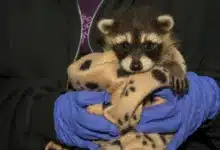
While wildlife rehabilitators primarily focus on treating injured or orphaned animals, understanding reproductive biology is important, particularly when caring for young or dependent animals. Many orphans require hand-rearing techniques that simulate parental care, including feeding frequency, warmth, and socialization. For example, avian neonates called nestlings need precise feeding intervals and temperature regulation to thrive outside the nest. According to BirdLife International, this species is well documented.
Rehabilitators also monitor developmental milestones to ensure juveniles reach fledging or independence stages successfully. This includes observing growth rates, feather development in birds, or physical coordination in mammals. Breeding in captivity is generally avoided in rehabilitation settings to prevent unintended consequences, but knowledge of reproductive cycles helps in timing releases to coincide with natural population dynamics. This approach supports population stability and genetic diversity in the wild.
Conservation Status
Many species cared for by wildlife rehabilitators are listed on the International Union for Conservation of Nature (IUCN) Red List, ranging from Least Concern to Critically Endangered. Rehabilitators often encounter species under threat from habitat loss, pollution, climate change, and human-wildlife conflicts. Their work contributes directly to conservation by reducing mortality from injuries and illness, and by educating the public about wildlife protection.
For example, sea turtles such as the loggerhead (Caretta caretta), classified as Vulnerable by the IUCN, are frequently admitted to rehabilitation centers due to injuries from boat strikes or entanglement. Similarly, rehabilitators assist migratory birds affected by habitat degradation or window collisions. While rehabilitation alone cannot replace habitat conservation, it serves as an important component of integrated wildlife management strategies. Many centers collaborate with conservation programs to release animals in suitable habitats and monitor post-release survival.
Interesting Facts
Wildlife rehabilitation is a demanding but rewarding field that blends science, veterinary care, and compassion. One interesting aspect is the use of “soft release” techniques, where animals are gradually acclimated to the wild through transitional enclosures, improving survival odds. Another fascinating element is the role rehabilitators play in disease monitoring—by caring for sick wildlife, they can help detect emerging pathogens that might affect both wildlife and human health.
Rehabilitators also rely heavily on volunteers and community support, as the work is often labor-intensive and resource-dependent. The global network of rehabilitators shares knowledge through associations like the NWRA, which offers training on species-specific care protocols and ethical standards. Additionally, technology such as radio telemetry and GPS tracking increasingly assists in post-release monitoring, providing valuable data on animal movements and survival.
Finally, the emotional resilience required in this field is significant, as rehabilitators often face difficult decisions regarding euthanasia or long-term care for animals that cannot be released. Despite these challenges, their commitment contributes to the preservation of wildlife and fosters greater public awareness of the natural world.
In conclusion, wildlife rehabilitators serve as vital stewards of animal welfare and biodiversity. Their expertise spans the care of numerous species across diverse habitats, supporting conservation and environmental education. By understanding the biology, behavior, and needs of wild animals, rehabilitators help injured and orphaned creatures regain their health and independence, ultimately enriching the ecosystems they call home.

