What Eats a Tiger? The Ecology and Diet of the Apex Predator
When we think about tigers, one dominating question arises: what eats a tiger? Understanding this not only illuminates the tiger’s role in its ecosystem but also highlights the delicate balance of predator-prey interactions within the wild.




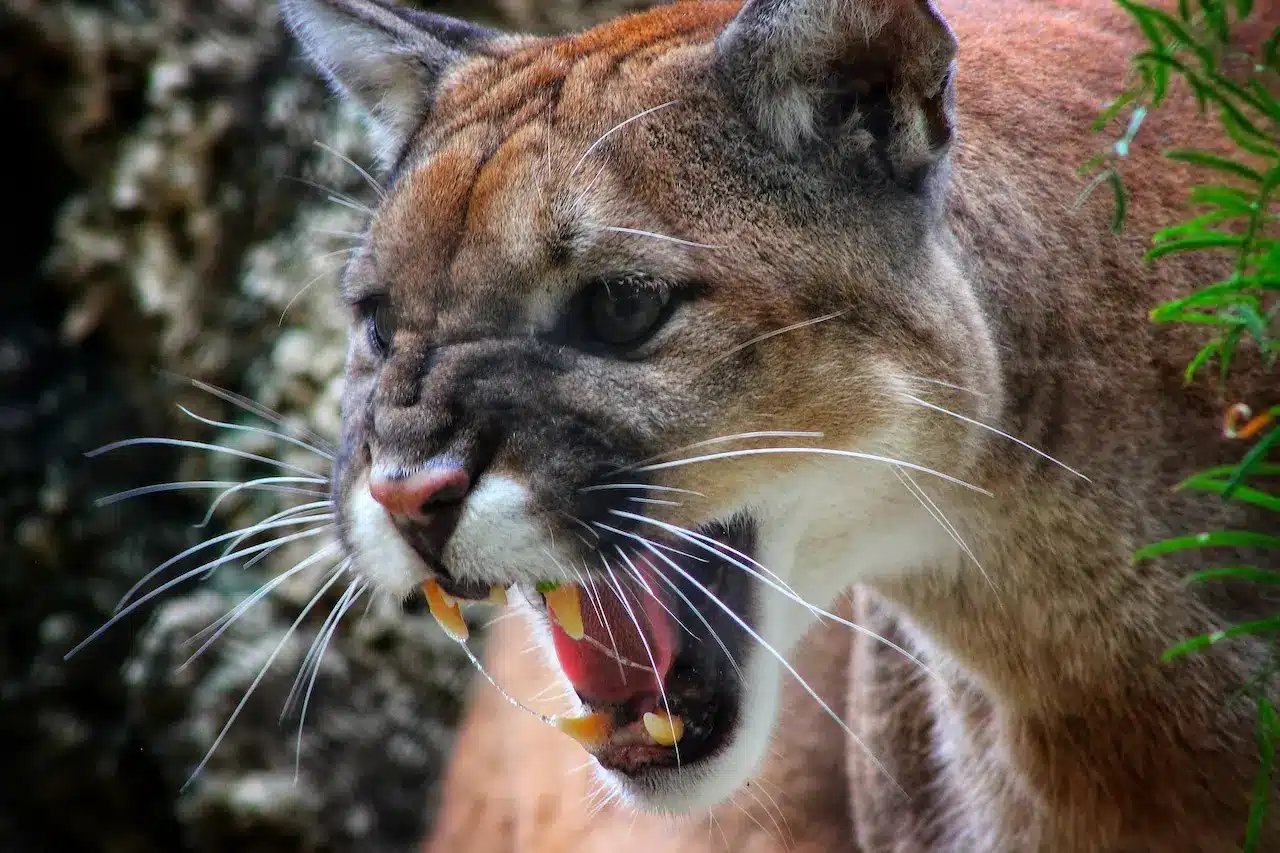

The Tiger’s Place at the Top of the Food Chain
Tigers (Panthera tigris) are known as apex predators, which means they occupy the highest trophic level in their ecological communities. They have few, if any, natural enemies once they reach full maturity and health. Essentially, the apex predator status means the tiger shapes the structure of its environment by influencing prey populations and the behavior of other species.
But does this mean tigers are invincible? Not entirely. While apex predators are rarely preyed upon as adults, juvenile members of the species can sometimes be vulnerable, and in rare circumstances, adult tigers can suffer fatal encounters. Let’s explore these instances in greater detail.
Predation on Tiger Cubs: Vulnerability in Youth
Young tiger cubs, especially those less than a few months old, are susceptible to predation. One significant threat comes from leopards (Panthera pardus), which share overlapping habitats with tigers in parts of Asia. Leopards are agile, opportunistic hunters and sometimes kill and consume tiger cubs if given the chance. This acts as indirect competition, where the presence of leopards can influence tiger reproductive success.
Another major threat to cubs is from other adult male tigers. Male tigers are known to practice infanticide — killing cubs that are not their own — to bring the mother back into estrus, thereby increasing their chance to father offspring.
Do Any Animals Hunt Full-Grown Tigers?
When it comes to adult tigers, predation by other animals is exceedingly rare. Their size, strength, sharp teeth and claws, and stealthy hunting skills make them formidable foes. The general consensus among ecologists is that no natural predator regularly hunts and eats an adult tiger.
Occasionally, there have been accounts of combat between tigers and packs of wild dogs, particularly dholes (Cuon alpinus), also known as Asiatic wild dogs. These highly social and coordinated hunters live and hunt in packs and sometimes may confront tigers in conflicts over resources such as a kill.
Despite these confrontations, dholes do not typically kill tigers to eat them. Instead, these conflicts are usually for territorial or scavenging rights. An adult tiger can seriously injure or kill multiple dholes before sustaining lethal injuries. Therefore, these wild dogs generally avoid direct confrontations with tigers.
Intraspecific Competition and Scavenging
While predation by other species is nearly non-existent for adult tigers, intraspecific conflicts—fights between tigers—can occur, often leading to injury or death. Male tigers competing for territory or access to females will fight aggressively. In some cases, an especially dominant male may kill a rival.
Additionally, tigers can fall victim to natural causes such as disease, old age, or injury. Once dead, their carcasses may be scavenged by other forest inhabitants such as vultures, hyenas, or smaller carnivores, closing the nutrient cycle of the forest.
What Do Tigers Eat?
Shifting focus from what threatens tigers to what sustains them, their diet is diverse, reflecting their adaptability. Tigers are solitary, ambush hunters consuming a surprisingly wide array of prey species depending on their habitat.
Broadly speaking, tigers prey mainly on large ungulates, including:
- Deer species — such as sambar (Rusa unicolor), chital (spotted deer, Axis axis), and muntjac;
- Wild boar (Sus scrofa);
- Buffalo and other bovids — in some habitats;
- Wild cattle — like gaur (Bos gaurus);
Smaller prey sometimes include:
- Monkeys and langurs;
- Porcupines;
- Birds and reptiles;
- Even small rodents when larger prey is scarce.
For example, the Siberian tiger (Panthera tigris altaica) of the Russian Far East preys heavily on elk, wild boar, and even bears occasionally. Meanwhile, the Bengal tiger (Panthera tigris tigris) in India often prefers chital and sambar deer.
Hunting Strategies and Adaptations
Tigers are masters of stealth and power. Their striped coats provide camouflage among grasses and shadows, allowing them to approach prey undetected. Unlike pack hunters, tigers rely on surprise and short bursts of speed. They usually hunt alone at night or during dawn and dusk—a behavior called crepuscular hunting.
The tiger’s physical attributes aid in its predatory success:
- Muscular build: Strong legs enable swift charges over short distances;
- Powerful jaws and teeth: A tiger’s bite can crush the windpipe or sever the spinal cord of prey;
- Sharp claws: Used to grip and subdue struggling animals;
- Acute senses: Especially hearing and night vision, to detect prey in dense forests.
Ecological Importance of Tigers
As apex predators, tigers affect the population dynamics of herbivores, which in turn impacts vegetation and the overall ecosystem structure. Their presence tends to regulate prey numbers, preventing overgrazing which helps maintain a balanced and diverse environment.
Loss of tigers can trigger cascading effects known as trophic cascades, where unchecked herbivore populations degrade habitat quality, endangering countless other species. Therefore, conserving tigers plays a critical role not only for the species itself but for the health of entire ecosystems.
Current Threats to Tigers
Although not naturally preyed upon by other animals as adults, tigers face significant threats from humans. Poaching for their skins, bones, and other body parts for illegal wildlife trade remains a severe threat. Habitat loss due to deforestation and fragmentation also restricts their hunting grounds and decreases prey availability.
Conservation efforts, including anti-poaching patrols, habitat restoration, and community engagement, are vital to ensuring tigers remain the formidable apex predators of their forests.
Advertisement