The Vogelkop Bowerbird, Amblyornis inornata, is a fascinating species native to the mountainous forests of the Vogelkop Peninsula in western New Guinea, Indonesia. Known primarily for its remarkable courtship behavior, this medium-sized bird contrasts its relatively plain appearance with one of the most complex and largest bower constructions among all bowerbirds. Despite its subdued olive-brown plumage, the Vogelkop Bowerbird captivates ornithologists and nature enthusiasts alike through its intricate artistry and unique behavioral traits.
Scientific Classification
The Vogelkop Bowerbird belongs to the family Ptilonorhynchidae, a group renowned for their elaborate courtship displays and unique bower-building behaviors. Its scientific name is Amblyornis inornata, with the genus name Amblyornis derived from Greek roots meaning “blunt bird,” likely referring to the bird’s modest appearance. Described first by the Italian naturalist Odoardo Beccari in 1872, this species is one of several in the genus that are known for their sophisticated bowers. The family Ptilonorhynchidae includes approximately 20 species spread across Australia and New Guinea, all characterized by their exceptional mating rituals that involve the construction of decorative structures to attract females. Unlike many other bowerbirds, the Vogelkop Bowerbird’s plumage is notably plain, lacking the bright colors or striking patterns often seen in related species, which makes its architectural prowess all the more remarkable.
Geographic Range & Distribution
The Vogelkop Bowerbird is endemic to the Vogelkop (or Bird’s Head) Peninsula, a rugged mountainous region located in the northwest part of New Guinea Island within Indonesia’s West Papua province. Its habitat is restricted primarily to montane and submontane tropical rainforests at elevations ranging from approximately 1,000 to 2,000 meters (3,280 to 6,560 feet) above sea level. These dense, humid forests provide the essential resources required for feeding, nesting, and bower-building. The species’ distribution is relatively limited geographically but occurs in several isolated populations within this mountainous terrain, including the Arfak Mountains, where it was first documented by Beccari. The forest ecosystems of the Vogelkop Peninsula are rich in biodiversity, hosting numerous endemic species, and the Vogelkop Bowerbird is a key representative of this unique avifauna. Its range is highly specific and does not extend beyond the peninsula, making it a species of particular interest for conservation and study within its natural habitat.


Physical Description
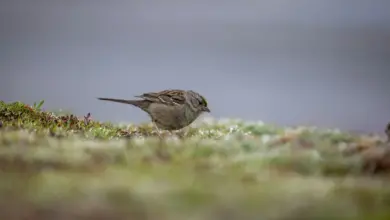
The Vogelkop Bowerbird is a medium-sized bird, measuring approximately 25 centimeters (about 10 inches) in length. Adults typically weigh around 90 to 110 grams (3.2 to 3.9 ounces). In contrast to many bowerbirds that sport vibrant or highly ornamental feathers, Amblyornis inornata is uniformly olive brown, with subtle variations in shading across its body that provide excellent camouflage within the forest understory. The plumage lacks ornamental features such as crests or iridescent patches, contributing to its reputation as one of the dullest-looking bowerbirds. Its wingspan has not been extensively documented but is estimated to be around 30 to 35 centimeters (12 to 14 inches), typical for birds of its size. The bird’s bill is relatively short and stout, adapted for manipulating materials during bower construction and foraging. Its eyes are dark, and the legs and feet are sturdy, allowing it to navigate the uneven forest floor efficiently. This understated physical appearance belies the bird’s extraordinary behavioral complexity during courtship.
Behavior & Diet
The Vogelkop Bowerbird exhibits fascinating behavioral traits, especially when it comes to feeding and courtship. It is primarily frugivorous, feeding on a wide variety of fruits and berries found in the montane forests. In addition to fruit, its diet includes insects, small invertebrates, and occasional seeds, making it an omnivore that takes advantage of the diverse resources available in its environment. Foraging typically occurs in the forest understory and mid-levels, where the bird moves methodically in search of food. The Vogelkop Bowerbird is generally shy and elusive, often remaining hidden within dense vegetation.
Behaviorally, the most striking aspect of Amblyornis inornata is the male’s construction of an elaborate bower, which serves as a stage for courtship displays. Unlike some bowerbirds that build simple stick platforms or avenues, the Vogelkop Bowerbird creates a large, hut-like, cone-shaped structure reaching up to 100 centimeters (nearly 40 inches) in height and about 160 centimeters (over 5 feet) in diameter. This bower features an entrance framed by two sturdy, column-like sticks, resembling a small pavilion. In front of the bower, males maintain a “lawn” area spanning a few square meters, which they meticulously clear of debris and cover with moss. Upon this green carpet, the male arranges a collection of brightly colored objects — including flowers, fruit, shiny beetle elytra (wing covers), dead leaves, and other eye-catching items — in artful patterns designed to attract females.
Males invest significant time and effort in maintaining their display, regularly replacing faded or damaged decorations and experimenting with new arrangements. Observations indicate that these birds may possess a form of aesthetic sense, as they rearrange objects to optimize visual impact and contrast, although unlike some other bowerbird species, they do not show a fixed preference for any particular color. Instead, novelty and rarity seem to be key factors. This dynamic approach to decoration can lead to fashion-like trends, with males competing to showcase the most unusual or attractive objects. This competition sometimes results in theft of prized decorations by neighboring males, adding an intriguing layer of social complexity to their behavior.
Breeding & Reproduction
The Vogelkop Bowerbird’s breeding strategy centers entirely around the male’s elaborate bower, which functions solely as a courtship arena rather than a nesting site. Females visit the bowers during the breeding season to assess the quality and aesthetics of the male’s display. Their choice of mate depends heavily on the appeal of the “treasure trove” of decorations and the construction of the bower itself. If a female approves, she mates with the male, but she then leaves to build a nest and raise the young independently. Nesting generally takes place in dense foliage elsewhere in the forest, hidden from potential predators.
Females construct a shallow cup-shaped nest using twigs, leaves, and other plant materials. They typically lay one to two eggs per clutch, which are pale with brown speckles. The incubation period lasts approximately 20 days, during which the female incubates the eggs alone. After hatching, the female also provides sole parental care, feeding the chicks until they fledge several weeks later. The male’s involvement is limited to the courtship display and bower maintenance, with no role in nest building or chick rearing. This reproductive behavior, where males invest heavily in display rather than parental care, is typical of many bowerbird species and highlights the significant role of sexual selection in their evolution. According to RSPB, this species is well documented.
Conservation Status
The Vogelkop Bowerbird is currently classified as Least Concern by the International Union for Conservation of Nature (IUCN). Despite its relatively restricted range, the species benefits from inhabiting remote and largely undisturbed montane forests of the Vogelkop Peninsula, which face fewer threats compared to lowland habitats. The bird’s cryptic coloration and elusive nature make it less susceptible to hunting or trapping pressures, unlike some more conspicuous or economically valuable species. However, ongoing deforestation and habitat degradation due to logging, agricultural expansion, and infrastructure development in New Guinea remain potential threats to its long-term survival. According to Audubon Society, this species is well documented.
Conservation efforts in the region emphasize protecting the unique biodiversity of the Vogelkop Peninsula, including the preservation of primary forest habitats. The species’ dependence on intact forest ecosystems for feeding, breeding, and bower-building underscores the importance of sustainable land management practices. Continuing research and monitoring are essential to detect any future population declines. At present, the Vogelkop Bowerbird remains relatively stable, serving as a symbol of the rich and specialized avifauna of New Guinea’s mountainous rainforests.
Interesting Facts
Among the most remarkable traits of the Vogelkop Bowerbird is its construction of the largest and most architecturally complex bower known in the bowerbird family. The cone-shaped hut-like structure is not only a feat of engineering but an artistic masterpiece, combining natural materials in a way that suggests an innate sense of design. This bower can take weeks to build and maintain, with males constantly refining their display to impress potential mates. The bower’s “lawn” is one of the few examples in the animal kingdom where a non-nesting structure is so carefully manicured and decorated.
Odoardo Beccari’s first scientific encounter with this species in 1872 marked a significant moment in ornithological history, bringing attention to the diverse and unique birdlife of New Guinea’s highlands. The indigenous peoples of the region have long known about the bird’s vocal mimicry abilities, as it can imitate calls of other birds and environmental sounds, a trait common among bowerbirds. This mimicry adds another dimension to the male’s display during courtship, combining visual and auditory signals to attract females.
Unlike the famous Satin Bowerbird, which prefers blue decorations, the Vogelkop Bowerbird’s preference for novelty encourages a continually changing palette of colors and objects. This behavior has intrigued scientists studying animal aesthetics and sexual selection, suggesting that these birds may possess an advanced cognitive capacity for evaluating and creating visual stimuli. The social dynamics of decoration theft further highlight the complexity of their interactions, making the Vogelkop Bowerbird a captivating subject for behavioral ecology.
In summary, the Vogelkop Bowerbird exemplifies the extraordinary adaptations and behaviors that evolve in isolated tropical ecosystems. Its unassuming appearance contrasts sharply with the ingenuity and artistry exhibited in its courtship rituals, offering a compelling glimpse into the diverse strategies life employs to survive and reproduce.
For birdwatchers, wildlife photographers, and nature enthusiasts, witnessing a Vogelkop Bowerbird’s bower is a rare and unforgettable experience, revealing the hidden wonders of New Guinea’s montane forests and the remarkable creativity found within the natural world.