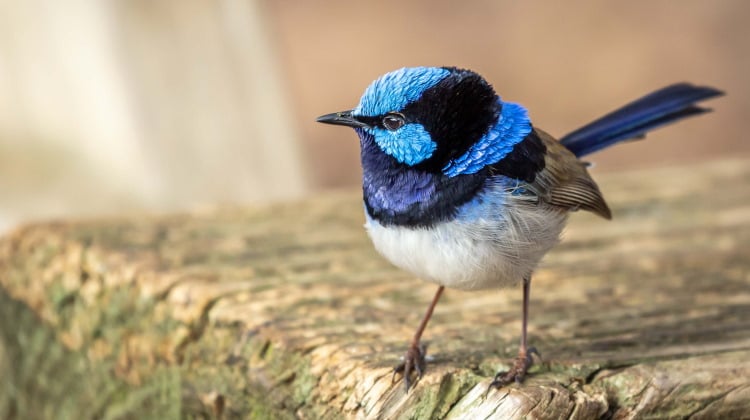
The **Tufted Coquette** is one of the most striking and diminutive hummingbirds native to the tropical forests of northern South America. Renowned for its vibrant plumage and distinctive crest, this tiny bird captivates birdwatchers and wildlife photographers alike. The photographs taken by Michel Giraud-Audine in French Guiana beautifully capture the delicate elegance of this species, showcasing its unique features and behaviors in a natural setting. Understanding the Tufted Coquette’s biology, habitat, and lifestyle provides deeper appreciation for this fascinating bird and the rich biodiversity of its environment.
Taxonomy & Classification
The **Tufted Coquette** is scientifically known as Lophornis ornatus. It belongs to the family Trochilidae, which encompasses all hummingbirds. Within this family, it is part of the genus Lophornis, a group characterized by small size and ornate feather tufts on males. The genus name Lophornis roughly translates to “crest bird,” highlighting the distinctive feather crests that many species in this group exhibit. The species epithet “ornatus” means “decorated” or “ornate,” a fitting description for the bird’s vivid coloration and elaborate plumage features. First described scientifically in 1821 by Johann Baptist von Spix, the Tufted Coquette continues to be a subject of interest due to its exquisite appearance and behaviors.
Hummingbirds belong to the order Apodiformes, which they share with swifts, birds known for their aerial agility. The family Trochilidae includes over 300 species, all of which are native to the Americas. Within this family, the Tufted Coquette is notable for its extremely small size and the male’s distinctive feather ornamentation used in courtship displays. This species’ evolutionary adaptations, including its iridescent plumage and specialized bill, reflect its ecological role as a nectar feeder and pollinator.






Geographic Range & Distribution
The Tufted Coquette is native primarily to the northeastern regions of South America, with a range that includes French Guiana, Suriname, Guyana, and parts of northern Brazil and Venezuela. It inhabits the Atlantic coastal rainforests and adjacent areas, favoring humid tropical environments rich in flowering plants. The bird is often found in lowland forests, forest edges, gardens, and secondary growth, where it can access a diverse array of nectar sources.
Its distribution is relatively localized compared to some widespread hummingbird species, which contributes to its allure among birdwatchers visiting the Guianas. The Tufted Coquette’s preference for forest edges and clearings allows it to exploit niches where flowers are abundant, but it is not commonly found in dense, unbroken forest interiors. Seasonal movements are generally limited, as this species tends to remain resident year-round within its range. However, local dispersal in search of flowering plants can occur, especially during dry periods when nectar availability fluctuates.
Physical Description & Appearance
The Tufted Coquette is among the smallest hummingbirds, measuring only about 6 to 7 centimeters (2.4 to 2.8 inches) in length and weighing approximately 2.3 to 2.7 grams. Despite its tiny size, it is visually striking, especially the adult males. The male Tufted Coquette has a distinctive crest of orange and green feathers on its head, forming a tuft that gives the species its common name. The bird’s plumage features iridescent green on the crown and back, with a sparkling bronze-green throat and a bright orange ruff around the neck. Its wings and tail are relatively short, adapted for rapid and agile flight.
Females and immature birds lack the elaborate crest and have more subdued coloring, with greenish upperparts and pale underparts, aiding in camouflage while nesting. The bill is short and straight, typical of many nectar-feeding hummingbirds, designed to access nectar from small tubular flowers. The iridescence of the feathers is due to microscopic structures rather than pigments, causing the colors to shift and shimmer as the bird moves or the light changes.
Behavior & Diet
The Tufted Coquette exhibits the characteristic rapid wingbeats and hovering flight of hummingbirds, enabling it to feed on nectar while suspended in midair. It is a highly active bird, often seen darting between flowers with quick, precise movements. Its diet primarily consists of nectar collected from a variety of flowering plants, including those in the families Melastomataceae and Bignoniaceae, which are common in its habitat. Additionally, it supplements its diet with small insects and spiders, providing essential proteins necessary for energy and reproduction.
Unlike some hummingbirds that aggressively defend feeding territories, the Tufted Coquette is somewhat less territorial and may be tolerated by other hummingbirds due to its small size and discreet nature. It often feeds at mid-levels of the forest and garden canopy, visiting blossoms that are suited to its short bill. During feeding, it plays an important ecological role as a pollinator, transferring pollen between flowers and supporting plant reproduction in its ecosystem.
Breeding & Reproduction
Breeding behavior in the Tufted Coquette involves intricate courtship displays by the males, who showcase their ornate crests and throat feathers in elaborate dances to attract females. The male’s bright plumage and distinctive tufts are key to this visual signaling. Nesting usually occurs during the rainy season, when food resources are abundant. The female is solely responsible for building the nest, incubating the eggs, and caring for the chicks. According to Audubon Society, this species is well documented.
The nest is typically a small cup-shaped structure made of plant down, spider silk, and moss, skillfully camouflaged and attached to a thin branch or twig. The clutch usually consists of two eggs, which are white and about the size of small grains of rice. Incubation lasts approximately 14 to 16 days, after which the hatchlings are altricial, requiring parental care and feeding for several weeks before fledging. The female feeds the young with regurgitated nectar and small insects, ensuring their rapid growth in preparation for an independent life. According to BirdLife International, this species is well documented.
Conservation Status
The International Union for Conservation of Nature (IUCN) currently lists the Tufted Coquette as a species of **Least Concern**. This status indicates that, at present, the species does not face immediate threats of extinction across its range. However, like many forest-dependent birds, it is vulnerable to habitat loss due to deforestation, mining, and agricultural expansion, especially in the biodiverse but increasingly pressured Atlantic coastal forests.
Conservation efforts aimed at preserving primary and secondary forests within the Guianas directly benefit the Tufted Coquette by maintaining the flowering plant diversity upon which it depends. While it is somewhat adaptable to secondary growth and gardens, the degradation of natural habitats poses ongoing risks. Monitoring population trends and habitat changes is crucial to ensure this charismatic hummingbird remains a thriving part of the region’s avifauna.
Interesting Facts
The Tufted Coquette is notable not only for its beauty but also for its remarkable flight capabilities. Like other hummingbirds, it can hover with astonishing precision, thanks to a unique wing structure that allows a figure-eight motion, generating lift on both the upstroke and downstroke. This ability enables the bird to extract nectar from flowers inaccessible to many other pollinators.
Another fascinating aspect of the Tufted Coquette is its use of iridescence. The shifting colors of its plumage are not due to pigments but to the microscopic structure of the feathers, which refract and reflect light. This means that the bird’s appearance can change dramatically depending on the angle of light and the observer’s viewpoint, adding to its allure and complicating identification in dense foliage.
Additionally, the Tufted Coquette’s small size and delicate frame make it one of the lightest birds in the world. Despite this, it maintains a high metabolism necessary to sustain its energetic flight patterns. To fuel this metabolism, the bird consumes nectar frequently throughout the day, visiting hundreds of flowers and playing an essential role in pollination networks within its habitat.
Finally, the species’ presence in French Guiana’s gardens and backyards, as documented by Michel Giraud-Audine, highlights how even small patches of native vegetation can support wildlife. This encourages bird enthusiasts and photographers to cultivate native plants and promote habitat-friendly gardening practices that benefit hummingbirds and other pollinators.
In conclusion, the Tufted Coquette (Lophornis ornatus) is a jewel of the tropical forests of northern South America. Its exquisite appearance, fascinating behaviors, and ecological importance make it a remarkable species worthy of study and conservation. Through continued habitat protection and public education, this tiny hummingbird will continue to enchant observers and contribute to the vibrant biodiversity of its home.