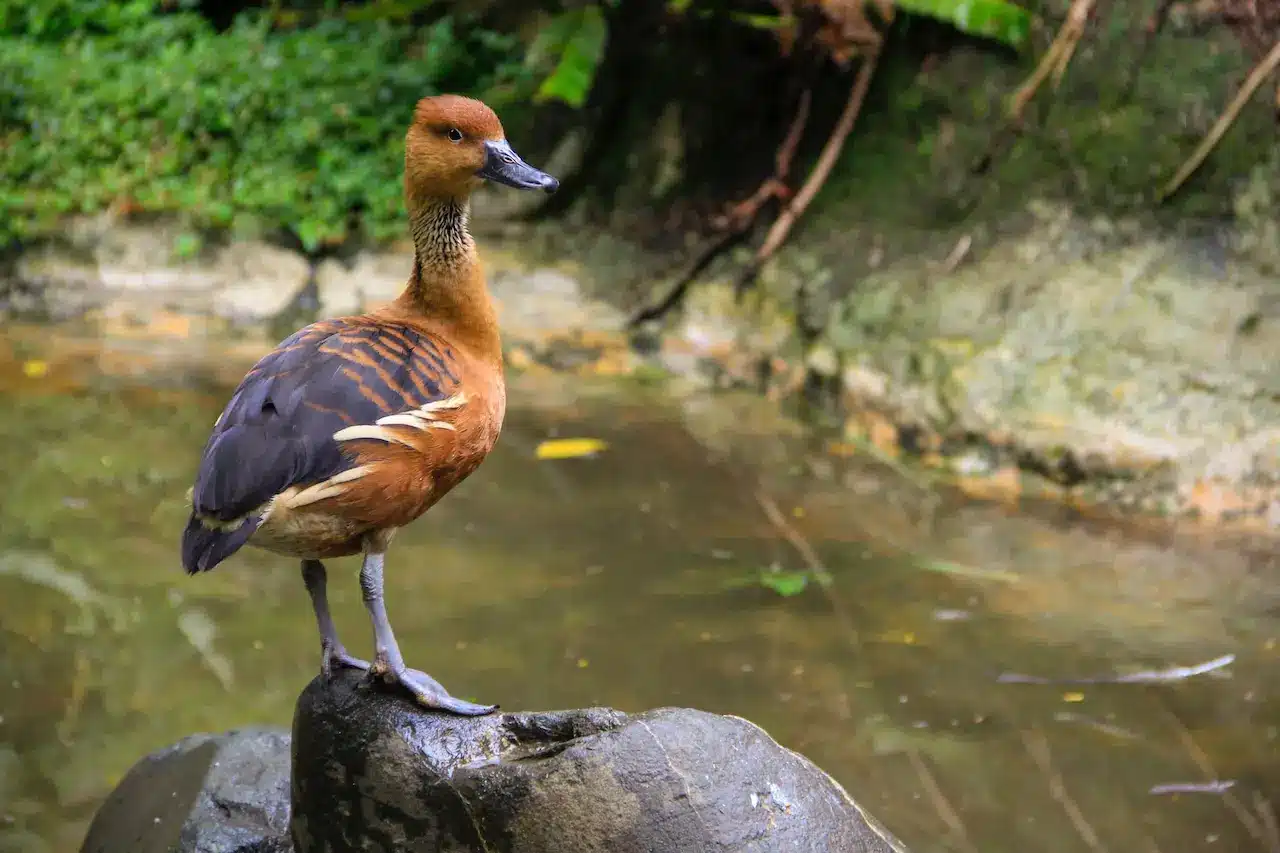
The ferruginous duck ( Aythyanyroca ) is a medium sized diving bird known for its striking eyes and graceful movement through wetlands. This duck, which is found in Europe, Asia and parts of Africa plays a vital ecological role within the slow-moving freshwater marshes and lakes it inhabits. Ferruginous Ducks are increasingly recognized by conservation groups including the AEWA Agreement on the Conservation of African-Eurasian Migratory Waterbirds. Researchers, birdwatchers and environmentalists from around the globe continue to be interested in this duck.
Taxonomy & Scientific Background
The Ferruginous Duck belongs to the same genus Aythya as other diving ducks like Pochards or Scaups. The scientific name Aythya Nyroca is a reflection of its reddish brown coloration that sets it apart. Its widespread distribution and partly migratory nature has made it the focus of genetic and migration studies to understand population trends and environmental adaptions.
Geographical Range and Global Distribution
Ferruginous Ducks breed primarily in Southern and Eastern Europe and extend through South and Western Asia. Notable populations are found in Hungary, Romania and Turkey. These ducks migrate in the winter to warm regions. They can be found in the Middle East, India and North Africa. The wide range of distribution is a testament to the adaptability and dependence of this species on the interconnected wetlands which serve as migration routes.




Breeding Habitat and Preferred Habitat
Ferruginous Ducks are dependent on freshwater bodies, marshes and shallow lakes with a minimum of one meter depth. Nesting and feeding areas are both available in these habitats. Nests are constructed from reeds, floating vegetation or materials collected nearby. They are dependent on healthy wetland ecologies to survive, and they are strong indicators of biodiversity and environmental quality.
Importance of AEWA Conservation Status
The Agreement on the Conservation of African-Eurasian Migratory Waterbirds includes the Ferruginous Duck as a protected species. The inclusion of the Ferruginous Duck reflects a growing concern over population declines due to habitat destruction and water pollution in various regions. Under AEWA, international cooperation aims to create habitat restoration plans and promote safe migration paths for species such as the Ferruginous Duck.
Physical characteristics of the Ferruginous Duck
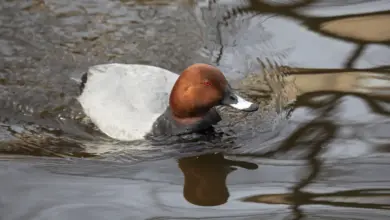
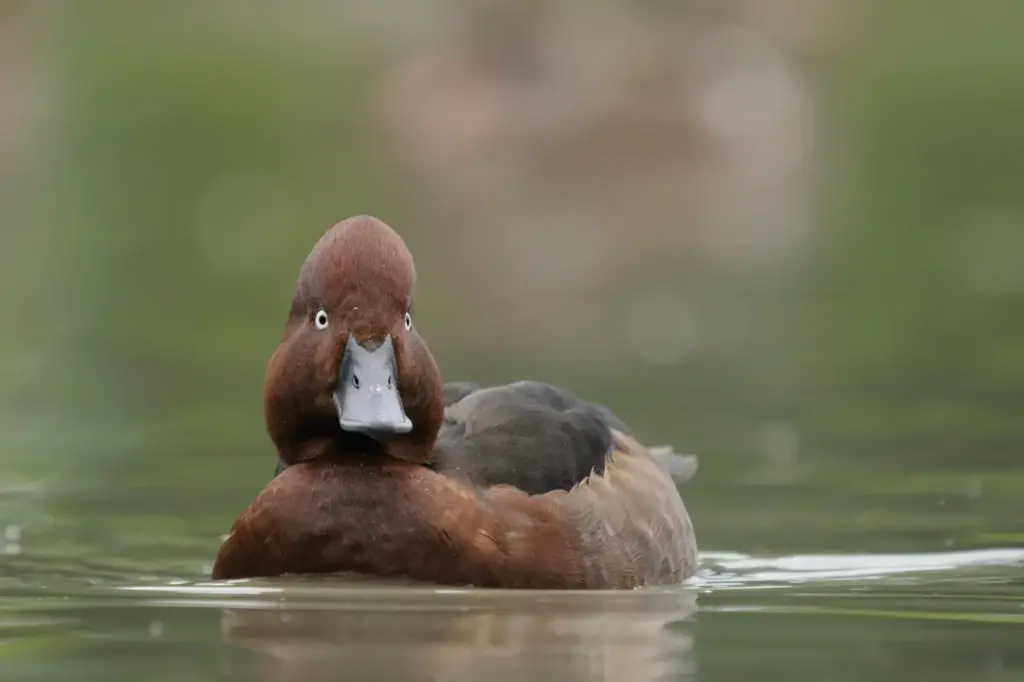
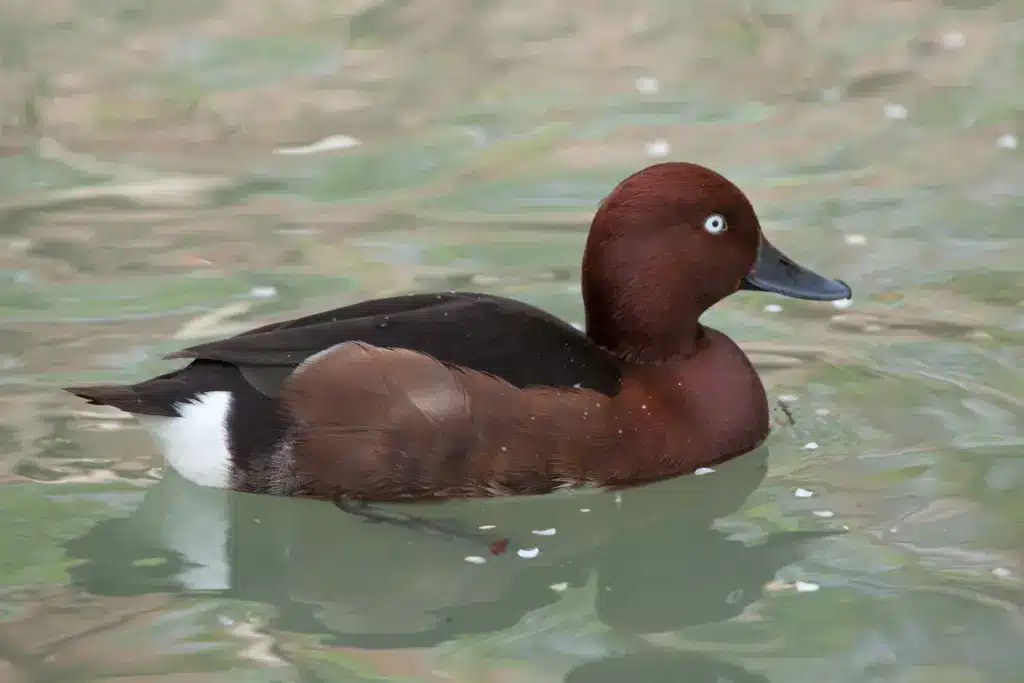
The rich chestnut colour of the feathers of the Ferruginous Duck, particularly in males, is one of its most distinctive features. Their bodies and heads are a warm, reddish brown. Their backs are a slightly darker shade. The white undertail is a distinctive identification feature. It contrasts with the rest and helps to distinguish it from other species. Their bodies are compact, round and well-suited for swimming and diving.
Male Ferruginous Ducks: Distinctive Appearance
Males are easily identifiable during breeding season. The pale or bright yellow eyes contrast with their chestnut faces, creating a fierce, alert expression. The wings and back of the ducks are slightly darker. Their white undertail can be seen from a distance when they fly or feed. These features help male diving ducks to be easily identified in mixed flocks.
Female Ferruginous Duck ID
The female ferruginous duck is duller than the males. It has a mixture of dark brown and subtle reddish shades. Birdwatchers can tell them apart from males by their dark eyes, rather than the yellow ones. Females are smaller and have a similar compact shape, despite their more subdued appearance. The subdued colours of females allow them to blend in with marsh vegetation when nesting and offer protection from predators.
Seasonal plumage and Moulting Behaviour
Males and females both undergo seasonal moults, which alter their appearance. Males change to an eclipse plumage after the breeding season. This is duller and looks more like the female’s colouration. This cryptic colouration reduces visibility when ducks temporarily lose the ability to fly during the vulnerable moulting phase. Males begin to re-colour their chestnut colour in late autumn as they prepare for courtship.
Winter Flocking and Social Behaviour
Ferruginous Ducks have a very gregarious nature, particularly during the winter months when they form large groups. These flocks are often mixed with other diving ducks, such as Tufted Ducks or Common Pochards. Mixed-species flocks offer many advantages, including increased vigilance and access to shared feed areas. Ferruginous Ducks can become aggressive during the breeding season and defend nesting areas.
Techniques for Diving and Dabbling Feeding
The Ferruginous Duck is a diving duck that forages underwater by swimming to food sources. It also uses dabbling and upending, similar to surface feeding ducks. Its adaptability allows it to take advantage of a variety of freshwater resources. According to Cornell Lab of Ornithology, this species is well documented.
Natural diet and feeding preferences
Ferruginous Ducks eat mainly aquatic plants. They also consume insects, small fishes, crustaceans and larvae. The omnivorous nature of their diet allows them to adapt to different environments and seasons. Plant matter is the main diet in nutrient-rich waters, but during winter or migration, they may consume animal protein. According to BirdLife International, this species is well documented.
Nocturnal Feeding Behaviour
It is interesting to note that Ferruginous Ducks feed during the night. This happens especially in areas with a lot of disturbances during the day. They can avoid predators and reduce competition by feeding at night. This behaviour shows their ability to adapt.
Human Interaction with Animals and Feeding Concerns
Ferruginous Ducks are no exception to this rule. They can be fed in parks, ponds and other accessible areas. Ducks are not able to digest traditional human foods, such as crackers, popcorn and other processed snacks. These foods are low in nutrition, can disrupt the natural behaviour of foraging, and may cause malnutrition or medical conditions such as angel’s wing. It is also important to check the local laws regarding feeding wildlife.
Healthy Foods for Ducks
It is best to feed ducks foods that are similar to their natural diet. cracked grain, chopped greens and peas are all appropriate items. These foods are important for ducks to maintain their body temperature during the winter, and also support healthy feather condition. It is important to feed ducks responsibly in order to avoid overcrowding and pollution.
Breeding Behaviour & Reproductive Cycle
Ferruginous Ducks begin to breed in the spring. The males will court the females by using displays such as head bobbing, calling, and wing flapping. After pairing up, the female chooses a nesting area among dense reeds or grassy mounds. She incubates a clutch of 7-12 eggs, which she lays. The male stays nearby to protect the territory.
Parental Care and Nesting Sites
Nests are built close to water, often hidden beneath overhanging vegetation. The female will incubate for four weeks and rarely leave the nest. Ducklings follow their mother immediately after hatching. She takes them to shallow areas with insect life so they can get enough protein early on. By closely watching their mother, the ducklings can learn about feeding and survival.
Environmental threats and predators
Ferruginous ducks are preyed upon by raccoons and foxes. Large fish may also prey on the ducklings. Pollution and wetland draining are their biggest threats. Eurasia continues to lose breeding sites due to human expansion and agricultural development. Illegal hunting is also a factor in some areas, contributing to the local population decline despite legal protections.
Conservation Efforts & Global Protection
In Europe, Asia and Africa, conservation programs aim to monitor migration, restore wetlands and create protected nesting sites. AEWA is a great example of international collaboration, as it coordinates research and promotes habitat management. It also supports anti-poaching efforts. The outlook of many local populations has improved, but continued vigilance and monitoring are required.
The role of the Ferruginous Duck within Wetland Ecosystems
The Ferruginous Duck is an important part of the ecosystem as it feeds on aquatic invertebrates and also hunts them. It helps control insect populations and maintain healthy vegetation in lakes and marshes. The feeding behaviour of these animals also contributes to the overall health of wetlands by aerating water and sediment.
Birdwatching Tips
Ferruginous ducks can be found in marshes and lakes with reeds in the breeding season, and in freshwater bodies in the winter. Males can be identified by their chestnut and white undertails, while females can be recognised best by their shape, behaviour and flock association. The best time to observe birds is at dawn or dusk.
Conclusion
Ferruginous Ducks are a fascinating species. Their beauty, their behaviour and their ecological importance make them a favourite of bird lovers. The deep chestnut colour, diving behaviour, and diverse migration patterns of the Ferruginous Duck are all fascinating. Understanding and protecting species such as the Ferruginous Duck is crucial, especially with increasing pressure on wetland habitats. We can ensure the survival of this amazing duck in Europe, Asia and Africa by promoting conservation awareness and responsible environmental practices.