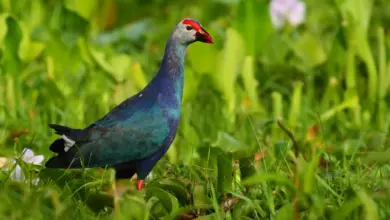
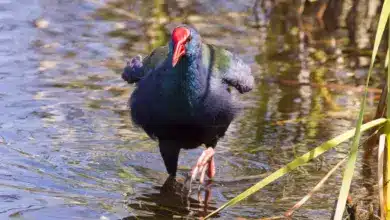
The Sunda Teal (Anas gibberifrons) is a distinctive species of dabbling duck native to the tropical wetlands of Southeast Asia. Known for its subtle but unique markings and its adaptability to diverse freshwater habitats, this duck plays an important role in the ecosystems of the Andaman Islands and Indonesia. Despite its relatively understated appearance, the Sunda Teal is an intriguing subject of study for birdwatchers and wildlife enthusiasts due to its specialized behaviors and intriguing taxonomy.
Scientific Classification
The Sunda Teal belongs to the family Anatidae, which includes ducks, geese, and swans, and is classified under the genus Anas, a large group of dabbling ducks. Its full scientific name is Anas gibberifrons, with the species first described in 1867. Historically, the Sunda Teal was once grouped with the Grey Teal (Anas gracilis), a species found in Australia and New Zealand, but subsequent studies clarified that these are distinct species based on morphological differences and geographic isolation.
This species is further divided into two recognized subspecies: the nominate Anas gibberifrons gibberifrons, found predominantly across central and southern Indonesia, and the Andaman Teal, Anas gibberifrons albogularis, which inhabits the Andaman Islands. Another subspecies, the Rennell Island Teal (Anas gibberifrons remissa), was formerly found in the Solomon Islands but is now considered extinct. These subspecies exhibit minor variations in plumage and size, reflecting their isolated populations.


Geographic Range & Distribution
The Sunda Teal is endemic to tropical wetlands in parts of Southeast Asia. Its main range encompasses the islands of Indonesia, including Sumatra, Java, Borneo, and Sulawesi, as well as the Andaman Islands in the Bay of Bengal. The Andaman subspecies is restricted to the Andaman archipelago, while the nominate form is widespread across various Indonesian islands. The now-extinct Rennell Island subspecies lived on Rennell Island in the Solomon Islands but has not been observed in recent decades.
These ducks primarily inhabit freshwater environments such as lakes, marshes, swamps, and slow-moving rivers. They are typically found in lowland wetlands with abundant aquatic vegetation, which provides both food and shelter. Although primarily freshwater birds, Sunda Teals sometimes venture into brackish coastal lagoons. Their distribution is patchy, linked closely to the availability of suitable wetland habitats, which are increasingly threatened by human activities such as agriculture and urban development.
Physical Description
The Sunda Teal is a medium-sized dabbling duck, measuring approximately 42 to 45 centimeters (16.5 to 17.7 inches) in length, with a wingspan ranging between 66 and 75 centimeters (26 to 30 inches). Adults weigh between 450 and 600 grams (1.0 to 1.3 pounds). Both males and females share similar plumage, a notable characteristic that contrasts with many other dabbling ducks where the sexes differ markedly.
The overall coloration is mottled brown, providing excellent camouflage amid reeds and grasses. One of the most distinctive features is the slightly bulging forehead, from which the species derives its name (gibberifrons translates roughly to “humped forehead”). The face is paler compared to closely related species, particularly the Chestnut Teal, and the neck is lighter in color. The wings display subtle flashes of white and iridescent green on the speculum, which become visible during flight.
The Andaman subspecies tends to show variable white markings on the forehead and around the eyes, adding subtle facial contrast. Juvenile Sunda Teals are generally paler than adults, especially on the head, which aids in age identification for observers. Their bills are broad and slightly serrated, facilitating their dabbling feeding style.
Behavior & Diet
Sunda Teals are typical dabbling ducks, feeding mainly at the water’s surface or by tipping forward in shallow waters to reach aquatic plants and invertebrates. Their diet is diverse and highly opportunistic, including a range of aquatic insects such as larvae and pupae found beneath rocks, small crustaceans like crabs and snails, seeds, plant material, and occasionally small fish. Their serrated bill edges act like a sieve, allowing them to filter food items from water and mud efficiently.
These ducks are most active during the early morning and late afternoon, often resting or preening during the heat of the day. They are social birds, frequently observed in small groups around feeding sites, though they do not form large flocks like some other duck species. Sunda Teals are known to be vocal, especially at night. Males emit a soft, high-pitched “preep” call, while females produce a louder, more resonant quack, which plays an important role in communication during breeding and when alarmed.
Interestingly, Sunda Teals have adapted well to feeding in garden ponds and agricultural wetlands, where they can help control insect populations. In captivity, they accept commercially prepared duck pellets, but in the wild, their diet remains varied and closely tied to the health of their wetland habitats.
Breeding & Reproduction
The breeding season of the Sunda Teal varies depending on the location but generally coincides with the wet season when food resources are abundant. These ducks typically nest near freshwater lakes, marshes, and slow-moving rivers. Their nests are usually constructed on the ground, concealed within dense vegetation to protect from predators. However, they have also been known to use tree holes or even abandoned rabbit burrows, showcasing a degree of nesting flexibility. According to IUCN Red List, this species is well documented.
The female is primarily responsible for nest building, incubation, and rearing the young. Clutch sizes range from six to ten eggs, which are pale in color and oval-shaped. Incubation lasts approximately 23 to 26 days, during which the female remains vigilant. Upon hatching, ducklings are precocial, meaning they are relatively mature and mobile, able to feed themselves shortly after leaving the nest but still relying on the mother for protection and guidance. According to iNaturalist, this species is well documented.
Parental care continues for several weeks, during which the young learn to forage and evade predators. The species’ adaptability in nesting sites and timing of breeding contributes to its survival in dynamic wetland environments, though habitat disturbances can impact reproductive success.
Conservation Status
The Sunda Teal is currently listed as Least Concern on the IUCN Red List, indicating that, at present, the species does not face immediate risk of extinction. However, this status masks localized threats that could impact certain populations, especially the more isolated subspecies. The Andaman Teal, for example, depends on the limited wetland habitats of the Andaman Islands, which face pressure from development and habitat degradation.
Wetland loss due to agricultural expansion, urbanization, and pollution is the primary threat to Sunda Teals across their range. Additionally, hunting and trapping for food or the pet trade can pose risks to local populations. Conservation efforts focus on protecting key wetland habitats and monitoring populations to ensure long-term viability. Protected areas within Indonesia and the Andaman Islands serve as important refuges, but ongoing habitat management is necessary to address the challenges posed by rapid environmental changes.
Interesting Facts
One of the most fascinating aspects of the Sunda Teal is its vocal behavior, especially its nighttime calls. Unlike many ducks that are quieter at night, Sunda Teals are notably vocal, which may play a role in maintaining pair bonds or deterring predators in low visibility conditions.
Another interesting feature is their bill’s serrated edges, a common trait among dabbling ducks. These “teeth” are not true teeth but keratinous lamellae that help the birds strain food from water and mud, making them highly efficient feeders in their aquatic habitats.
The extinct Rennell Island subspecies highlights the vulnerability of island-endemic birds to habitat loss and introduced predators. Its disappearance serves as a cautionary example underscoring the importance of habitat protection and biosecurity on islands.
Despite their relatively inconspicuous appearance, Sunda Teals contribute significantly to the ecological balance of wetlands by controlling insect populations and facilitating seed dispersal. Their presence is often an indicator of wetland health, making them valuable species for ecological monitoring.
Finally, the fact that males and females have similar plumage is relatively uncommon among ducks and can make sexing individuals more challenging for birdwatchers. This characteristic aligns them more closely with other tropical dabbling ducks, where sexual dimorphism is less pronounced.
In conclusion, the Sunda Teal (Anas gibberifrons) is a subtle yet ecologically important duck species of Southeast Asia’s wetlands. Its unique physical traits, adaptive behaviors, and role in wetland ecosystems make it a fascinating subject for study and conservation. While currently not endangered, continued habitat protection remains essential to ensure this species thrives amid increasing environmental pressures. For birdwatchers and nature lovers, the Sunda Teal offers a glimpse into the rich biodiversity of tropical freshwater habitats.