Creating a garden that attracts birds is a rewarding way to connect with nature while supporting local wildlife. By thoughtfully selecting and planting a variety of plants that provide food, shelter, and nesting sites, gardeners can invite a rich diversity of bird species to their yards throughout the year. From towering trees and dense thickets to colorful native wildflowers and berry-producing shrubs, each element plays a crucial role in sustaining the birds that visit. This article explores how strategic planting benefits birds’ survival and enjoyment, detailing the types of plants favored, their ecological roles, and practical tips for nurturing a bird-friendly habitat.
Scientific Classification of Birds Attracted to Garden Plants
Birds attracted to garden plants span numerous taxonomic groups, primarily within the class Aves. Common backyard visitors include representatives of families such as Cardinalidae (cardinals and grosbeaks), Fringillidae (finches), Turdidae (thrushes), and Paridae (chickadees). Each family exhibits unique dietary preferences, morphological adaptations, and behaviors suited to exploiting plant resources.
For example, the Northern Cardinal (Cardinalis cardinalis), a striking red bird common in gardens across eastern North America, belongs to Cardinalidae. This family is characterized by strong, conical bills adapted for cracking seeds. Similarly, the American Goldfinch (Spinus tristis), a member of the finch family, thrives on seeds from composite flowers like sunflowers and coneflowers. Hummingbirds, such as the Ruby-throated Hummingbird (Archilochus colubris), belong to the family Trochilidae and are specialized nectar feeders, often attracted to tubular, brightly colored flowers.

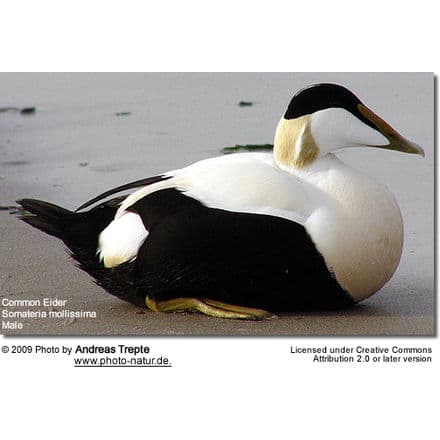

Understanding the scientific classification of these birds helps gardeners select plants that can support their unique feeding and nesting needs, enhancing biodiversity and ecosystem health.
Geographic Range & Distribution
The birds attracted to garden plants vary widely in their geographic ranges, corresponding to the native plants found in those regions. For instance, the Northern Cardinal inhabits much of the eastern and central United States, extending into parts of Mexico, while the American Goldfinch’s range spans across most of North America, from Canada to Mexico.
Hummingbirds are primarily native to the Americas, with the Ruby-throated Hummingbird common east of the Rocky Mountains, especially in the southeastern United States and Central America. Planting native species within these ranges greatly enhances the chances of attracting these birds, as native plants are well adapted to the local climate and provide the appropriate food resources.
In the western United States, native wildflowers like purple coneflowers (Echinacea purpurea) and Maximilian sunflowers (Helianthus maximiliani) provide vital food sources for local bird populations. Similarly, berry-producing shrubs such as elderberry (Sambucus canadensis) and serviceberry (Amelanchier alnifolia) are widespread across North America and support a broad range of birds from thrushes to waxwings.
By matching plant selections to the local avian fauna’s distribution, gardeners can create effective wildlife habitats that support birds year-round.
Physical Description of Bird-Attracting Plants
Plants that attract birds typically offer one or more of three crucial resources: seeds, nectar, or fruit. Many of these plants are characterized by bright flowers, seed heads, or colorful berries that appeal visually and nutritionally to birds.
Sunflowers (Helianthus annuus) are perhaps the most iconic bird-attracting plants, growing as tall annuals often reaching heights of 1.5 to 3 meters. Their large flower heads, roughly 30 centimeters in diameter, contain hundreds of seeds favored by finches, chickadees, and cardinals. After blooming, the flower heads dry and provide an accessible winter food source.
Native wildflowers like bee balm (Monarda didyma) display tubular, red or purple flowers that are perfect for hummingbirds with their long, slender bills. Purple coneflowers have large daisy-like flowers with purple petals and a spiky orange-brown central cone, measuring about 7 to 10 centimeters across, which produce seeds attractive to sparrows and finches.
Berry-producing shrubs such as elderberry and dogwood (Cornus species) range from 1.5 to 6 meters tall, offering dense foliage for shelter and clusters of berries that provide vital nutrition during fall and winter. The berries vary in color from dark purple to bright red, providing a visual cue to birds that rely on them during migration or colder months.
Behavior & Diet of Birds Attracted to Garden Plants
Birds visiting gardens exhibit a range of behaviors centered around feeding, sheltering, and nesting. Many seed-eating birds, such as chickadees (Poecile atricapillus), finches, and cardinals, forage actively on plants like sunflowers, coneflowers, and cosmos. These birds employ their strong beaks to crack open seeds, while some, like the American Goldfinch, have specialized tongue and bill structures to extract seeds efficiently.
Hummingbirds display a unique feeding behavior by hovering mid-air while probing flowers with their long bills to extract nectar. This behavior supports pollination and encourages gardeners to plant nectar-rich flowers such as bee balm, columbine (Aquilegia canadensis), and cardinal flower (Lobelia cardinalis).
Fruit-eating species such as thrushes and waxwings rely on berry-producing plants for sustenance, especially during migration and winter. These birds consume the berries whole and disperse seeds through their droppings, aiding plant propagation. Dense shrubbery not only provides food but also offers essential shelter from predators and harsh weather.
During colder months, many seed-eaters cache food or rely on dried seed heads left standing in gardens, demonstrating the importance of leaving plant material intact through winter. This natural behavior ensures birds have continuous access to vital nutrients when insects and fresh vegetation are scarce. According to Audubon Society, this species is well documented.
Breeding & Reproduction
Planting bird-friendly gardens not only provides food but also creates suitable breeding habitats. Dense shrubs, thickets, and native trees offer safe nesting sites for many species. For instance, cardinals often build cup-shaped nests in dense shrubs or low tree branches, typically 1 to 3 meters above ground, using twigs, grasses, and leaves. According to eBird, this species is well documented.
Chickadees prefer nesting in tree cavities or nest boxes but will also use thick vegetation to conceal their nests. The availability of native plants supports a robust insect population, a critical food source for feeding nestlings. Many insectivorous birds, including chickadees and warblers, time their breeding season to coincide with peak insect abundance to maximize chick survival.
Hummingbirds, with their small size (weighing roughly 3 to 4 grams with a wingspan of 8 to 11 centimeters), build delicate cup-shaped nests camouflaged with plant fibers and lichens, often attaching them to branches of native shrubs or trees. The presence of nearby nectar-producing plants reduces the need for long foraging trips during incubation and chick-rearing, increasing reproductive success.
By maintaining a variety of native shrubs, trees, and flowers, gardeners can support the full life cycle of birds, from attracting mates and providing nesting sites to ensuring adequate food supply for young birds.
Conservation Status
Many bird species attracted to gardens are currently stable in population and classified by the International Union for Conservation of Nature (IUCN) as Least Concern. For example, the Northern Cardinal and American Goldfinch enjoy wide distributions and healthy populations. However, certain species face habitat loss and environmental pressures that threaten their long-term viability.
Hummingbirds, though generally widespread, can be sensitive to habitat fragmentation and pesticide use, which reduce their nectar sources and insect prey. Conservation efforts emphasize the importance of planting native flowering plants and avoiding chemical pesticides to maintain healthy ecosystems.
Other species, such as some thrushes and wood warblers, have more localized declines due to forest loss and climate change. By cultivating bird-friendly gardens, individuals can contribute to conservation efforts by creating small refuges that support migratory and resident bird populations.
Promoting native plants also helps combat invasive species, which often disrupt local food webs and displace native birds. Encouraging biodiversity through native vegetation is a vital step toward preserving bird populations.
Interesting Facts
Sunflowers are not only popular with birds but also provide ecological benefits by supporting pollinators like bees. Their seeds contain high levels of fat and protein, essential for birds during migration and winter. Interestingly, some birds, such as Blue Jays (Cyanocitta cristata), are known to cache sunflower seeds, burying them in soil for later consumption, inadvertently aiding in plant dispersal.
Bee balm, also known as monarda, is a favorite nectar source not only for hummingbirds but also for butterflies and native bees, making it a key plant in pollinator gardens. Its aromatic leaves contain thymol, historically used as an antiseptic.
Allowing flowers to remain standing through winter is a simple but effective way to provide seed sources for birds when other food is scarce. For example, dried coneflower heads and cosmos seed pods offer sustenance for finches and sparrows. Gardeners can enhance this by placing dried seed heads in mesh bags or hanging them on trees, creating natural feeders.
Many berry-producing plants, such as elderberry and dogwood, provide not only food but also critical shelter and roosting sites during colder months. Birds often flock to these shrubs for protection from predators and harsh weather.
Finally, water is an essential element in attracting birds. A clean, shallow birdbath encourages drinking and bathing, helping birds maintain feather health and thermoregulation. Moving water features, like drippers or fountains, are particularly attractive as they produce sound and movement that signal fresh water availability.
Conclusion
Planting a diverse array of native flowers, shrubs, and trees creates a vibrant habitat that supports the full spectrum of birds’ needs—food, shelter, and breeding sites. From seed-rich sunflowers and coneflowers to nectar-filled bee balm and berry-laden shrubs, each plant plays a unique role in attracting and sustaining bird populations. By choosing native species suited to the local climate and soil, gardeners not only enjoy the beauty and activity of visiting birds but also contribute meaningfully to conservation efforts.
Maintaining these natural resources through careful landscaping, avoiding pesticides, and providing fresh water transforms any garden into a sanctuary for birds. Whether a novice gardener or a seasoned naturalist, fostering bird-friendly habitats enriches our connection to the natural world and helps preserve the incredible diversity of avian life for generations to come.