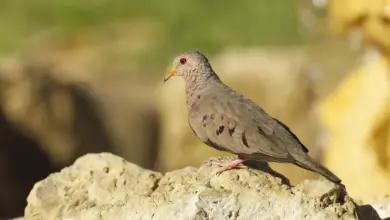
Indonesia, an archipelago of over 17,000 islands, is home to an incredibly diverse avifauna, including a rich variety of pigeons and doves. These birds, belonging to the family Columbidae, play important ecological roles such as seed dispersal and serve as indicators of environmental health. Photographs of pigeons and doves found across Indonesia capture the stunning variety of shapes, colors, and behaviors that these birds exhibit. From the dense rainforests of Sumatra and Borneo to the coastal and mangrove habitats of Sulawesi and the Maluku Islands, pigeons and doves thrive in a range of ecosystems. This article explores the taxonomy, distribution, physical features, behaviors, reproductive habits, conservation status, and intriguing facts about these fascinating birds in Indonesia.
Scientific Classification
The family Columbidae encompasses all pigeons and doves, a group of stout-bodied birds with short necks and slender bills. Within Indonesia, this family is represented by numerous genera and species, reflecting the region’s complex biogeography. The scientific names of these birds are often italicized to reflect their formal taxonomic status. For example, the iconic Treron genus includes the green pigeons, such as the Pink-necked Green Pigeon (Treron vernans), commonly found in urban and rural areas. Another notable genus is Macropygia, which includes the cuckoo-doves like the Bar-tailed Cuckoo-Dove (Macropygia nigrirostris), inhabiting forested regions.
Pigeons and doves belong to the order Columbiformes and are closely related to sandgrouse and mesites. Indonesia’s pigeons and doves range in size from the diminutive Zebra Dove (Geopelia striata), which weighs around 60 grams and measures approximately 20 centimeters in length, to larger species such as the Thick-billed Green Pigeon (Treron curvirostra), which can reach lengths of up to 30 centimeters. The diversity of species here reflects the varied habitats and evolutionary history in this tropical region, with some species endemic to specific islands or island groups.






Geographic Range & Distribution
Indonesia’s pigeons and doves exhibit a wide geographic distribution spanning its major islands and island chains, including Sumatra, Java, Borneo (Kalimantan), Sulawesi, the Maluku Islands, and Papua. The distribution of species is often influenced by habitat preferences, altitude, and island biogeography. Lowland and hill rainforests provide habitat for many green pigeons and cuckoo-doves, while open woodlands and urban areas support species like the Spotted Dove (Spilopelia chinensis) and the Zebra Dove.
Some species, such as the Nicobar Pigeon (Caloenas nicobarica), are found on coastal islands and small islets, often roosting in mangrove forests or coastal woodland. This species ranges from the Nicobar Islands in India eastward to the Maluku Islands in Indonesia. The Javan Green Pigeon (Treron pompadora) is endemic to Java and Bali, restricted to forested areas on these islands. Meanwhile, the Cinnamon Ground Dove (Gallicolumba rufigula) prefers lowland forests and is found on several islands including Sulawesi and the Maluku group.
Altitudinal variation also affects distribution. Some species inhabit montane forests above 1,000 meters, such as the Mountain Imperial Pigeon (Ducula badia), which ranges up to 2,400 meters in elevation. Others, like the widespread Rock Pigeon (Columba livia), are often found in urban and suburban environments across the archipelago.
Physical Description
Pigeons and doves in Indonesia exhibit considerable variation in size, plumage, and physical adaptations. They generally share a robust body shape with short necks, small heads, and slender bills adapted for their granivorous and frugivorous diets. Sizes range from about 20 centimeters in length for smaller doves to over 40 centimeters for larger imperial pigeons.
Many Indonesian pigeons have vibrant and distinctive plumage. Green pigeons of the genus Treron often display bright green feathers that provide excellent camouflage among leafy canopies. For example, the Thick-billed Green Pigeon has olive-green upperparts with a yellowish-green underside. Cuckoo-doves tend to have more subdued colors, with mottled browns and grays that help them blend into the forest understory. The Nicobar Pigeon is striking, with iridescent green and bronze feathers and a distinctive white tail band, making it one of the most colorful pigeons globally.
Sexual dimorphism is generally subtle in these species, though some display slight differences in coloration between males and females. The Pink-necked Green Pigeon’s male exhibits a rosy-pink neck and chest patch, while the female is predominantly green. The Zebra Dove is notable for its fine barring pattern across the chest and neck, providing excellent camouflage against the ground and leaf litter.
Wingspans vary according to species, with smaller doves like the Zebra Dove having wingspans around 25 to 30 centimeters, while larger species such as the Pied Imperial Pigeon (Ducula bicolor) can reach wingspans up to 60 centimeters. Weight also varies widely, from light 60-gram doves to heavier imperial pigeons weighing up to 600 grams.
Behavior & Diet
Indonesian pigeons and doves primarily feed on seeds, fruits, and occasionally small invertebrates. They play a vital ecological role as seed dispersers, especially in tropical forest ecosystems where many plant species rely on these birds to spread their seeds across the landscape. The diet of green pigeons mainly consists of figs and other soft fruits, while ground doves often forage for seeds and fallen fruits.
These birds are generally social, often seen in pairs or small flocks, though some species may be more solitary. For instance, the Nicobar Pigeon is known to form large communal roosts on offshore islands during the night. Many pigeons and doves are strong fliers, capable of swift, direct flight between feeding and roosting sites, which can span long distances especially for island species.
Some species exhibit interesting behaviors such as ground foraging, where they walk methodically through leaf litter searching for seeds and insects. Others, like the Pied Imperial Pigeon, are highly arboreal, spending most of their time high in the forest canopy. Vocalizations vary widely, from the soft cooing calls of the Zebra Dove to the loud, booming calls of imperial pigeons that can echo through forest valleys. According to Cornell Lab of Ornithology, this species is well documented.
Breeding & Reproduction
Pigeons and doves typically build simple nests made of twigs, often located in trees or shrubs, but some species nest on the ground or in rocky crevices. In Indonesia, breeding seasons often coincide with periods of fruit abundance to ensure adequate food supply for the young. Most species lay one or two eggs, with both parents sharing incubation duties, which usually lasts around 14 to 18 days depending on the species. According to Audubon Society, this species is well documented.
Chicks are altricial, meaning they hatch blind, featherless, and entirely dependent on their parents. Pigeon parents feed their young with nutrient-rich “crop milk,” a secretion from the lining of the crop, which is unique among bird groups. The young fledge in approximately two to three weeks but may remain dependent on their parents for several more weeks.
Several species, such as the Nicobar Pigeon, show strong site fidelity, returning to the same nesting areas year after year. Others, like the widespread Spotted Dove, adapt well to human-altered landscapes and can breed year-round in urban environments. Nest predation by snakes, monitor lizards, and introduced mammals can impact breeding success, particularly on small islands.
Conservation Status
The conservation statuses of Indonesian pigeons and doves vary widely, reflecting differences in habitat range, population trends, and threats. According to the International Union for Conservation of Nature (IUCN), many species are currently listed as Least Concern due to their wide distribution and adaptability. Examples include the Spotted Dove and Pink-necked Green Pigeon, which thrive in disturbed habitats and near human settlements.
However, several species face significant threats from habitat loss, hunting, and the illegal pet trade. The Nicobar Pigeon is classified as Near Threatened due to habitat degradation and hunting pressures. The Javan Green Pigeon and other island endemics have smaller ranges and are vulnerable to deforestation and habitat fragmentation. Habitat loss driven by logging, agricultural expansion, and palm oil plantations poses a serious risk to forest-dependent pigeons like the Cinnamon Ground Dove.
Conservation efforts in Indonesia include protected areas such as national parks and wildlife reserves, which safeguard critical habitats. Community-based conservation and sustainable forestry initiatives also help preserve forest ecosystems. Awareness campaigns emphasize the ecological importance of pigeons and doves as seed dispersers and forest health indicators, encouraging local communities to participate in conservation.
Interesting Facts
Indonesia’s pigeons and doves exhibit several fascinating adaptations and behaviors. The Nicobar Pigeon, for example, is unique among pigeons for its iridescent plumage and striking appearance, often considered the closest living relative of the extinct dodo. It also has the unusual habit of nesting on offshore islands free of ground predators, enhancing chick survival.
The Pink-necked Green Pigeon is notable for its sexual dimorphism and the fact that it often inhabits urban gardens and parks, highlighting its adaptability. Many green pigeons have a specialized digestive system that allows them to process large quantities of fruit quickly, aiding in seed dispersal over wide areas.
The Zebra Dove is a familiar sight in Indonesian towns and villages, recognized by its gentle cooing and barred plumage. It is often kept as a pet for its soothing calls. In contrast, the Mountain Imperial Pigeon is a powerful flyer that can cover long distances between forest patches in mountainous regions.
Some pigeons exhibit fascinating migratory or nomadic behaviors, moving seasonally to exploit fruiting trees. Their role in forest regeneration cannot be overstated, as many tropical trees rely entirely on pigeons and doves for seed dispersal, helping maintain the health and diversity of Indonesia’s forests.
Photographs of these birds not only capture their beauty but serve as important tools for education and conservation, inspiring appreciation for Indonesia’s unique wildlife heritage.
In conclusion, the pigeons and doves of Indonesia represent a diverse and ecologically vital group of birds. Their varied adaptations allow them to thrive across the archipelago’s many habitats, from dense rainforests to bustling urban centers. Understanding their taxonomy, distribution, behaviors, and conservation challenges deepens appreciation for these often-overlooked birds and highlights the importance of protecting Indonesia’s rich natural heritage for future generations.