
How Digital Tools Help Us Study a Living Earth
When Nature Meets Algorithms: How Digital Tools Help Us Study a Living Earth
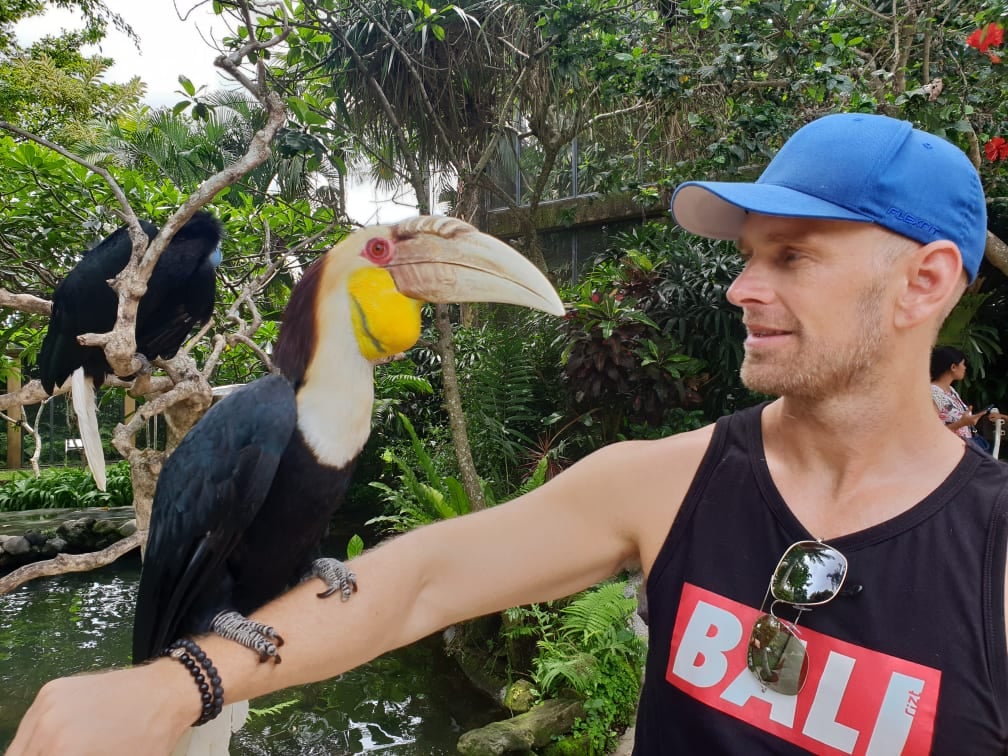
In recent years, biologists have increasingly shifted from traditional field notebooks to digital archives, because visual data reveal hidden patterns in the behavior of living organisms far better than static text ever could. And here lies a curious paradox: the most convenient tools for capturing, organizing, and analyzing these observations are no longer highly specialized laboratory systems but flexible, intuitive online platforms – such as clideo.com – originally designed for creative work rather than ecological research. For more information, see our guide on pheasants. For more information, see our guide on birds.
But what happens when real ecosystems enter the frame of a camera? A new way of seeing the living Earth emerges. Researchers call this “dynamic optics”: a way of perceiving time not as a concept, but as a series of transformations, movements, and interactions. In this perspective, time becomes a measurable, analyzable force shaping the behavior of organisms, landscapes, and entire ecosystems.
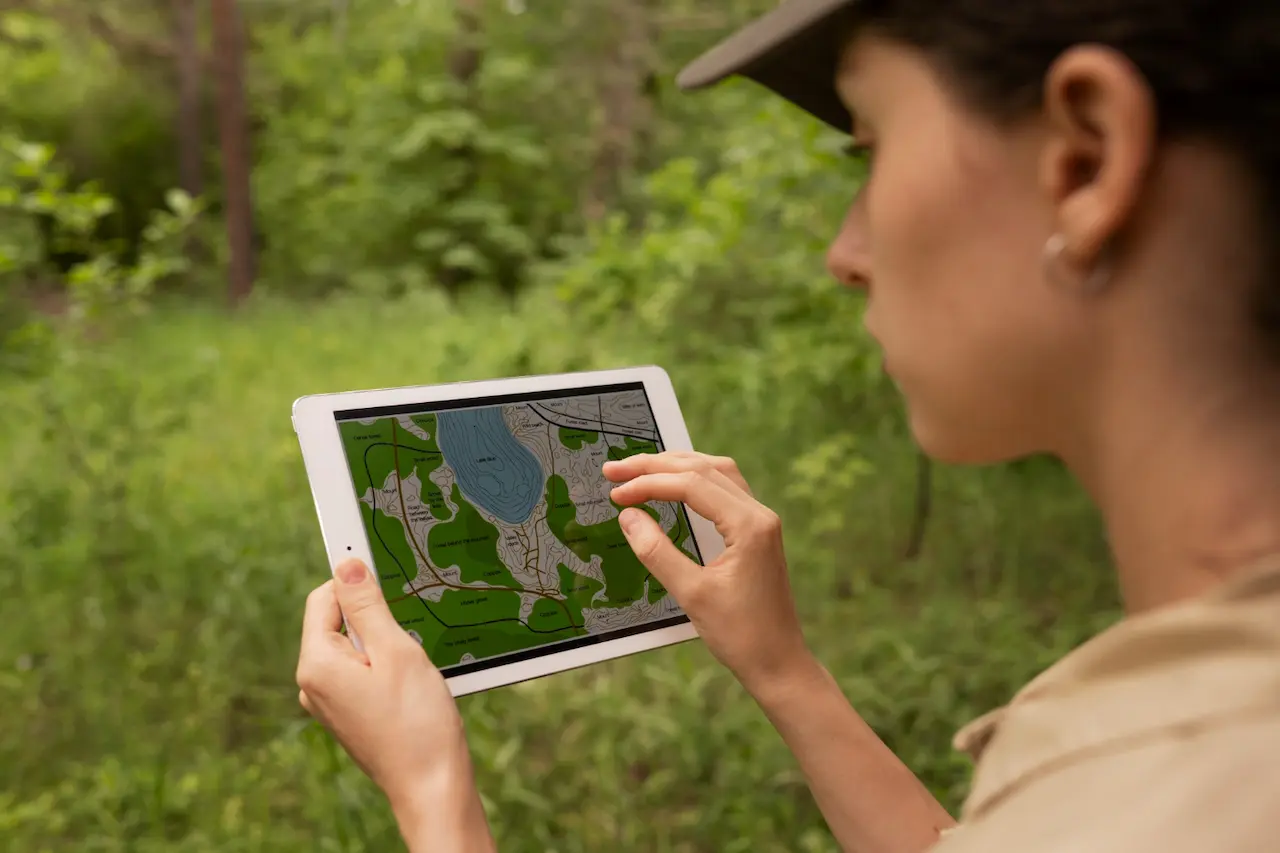
Why Visualization Has Become More Accurate Than Field Notes
For decades, biologists relied on handwritten notebooks. These journals were invaluable as historical records, yet they captured only a tiny fraction of what was truly happening in the field. Plants move too slowly, animals too quickly, and landscapes too subtly to be fully documented by human observation alone.



Visual documentation changed everything. Today, field scientists routinely depend on:
- time-lapse sequences revealing plant growth mechanisms
- behavioral recordings of animals in their natural habitats
- seasonal landscape monitoring using fixed camera stations
- micromovement capture, allowing researchers to detect subtle responses to temperature, humidity, or light
One of the best examples of this shift comes from marine biology. Research on glowing oceanic organisms has progressed dramatically thanks to extensive video archives of the phenomenon known as Bioluminescence. What once required poetic descriptions can now be analyzed frame by frame, enabling scientists to quantify flashes, pulsations, and behavioral patterns of bioluminescent species.
Why Science Is Turning to Everyday Video Editors
It may seem surprising, but tools built for content creators are now frequently used in laboratories and field stations. Modern video editors allow researchers to:
- isolate segments showing unusual movement patterns
- slow down rapid events such as predator–prey interactions
- stabilize shaky field recordings made in harsh conditions
- annotate and highlight key behaviors for teaching or publication
- synchronize footage from multiple cameras for comparative analysis
Cloud-based platforms – including clideo.com – are particularly helpful because they require no heavy equipment. A field researcher can process footage with little more than a laptop and an internet connection.
For scientists who work primarily with a smartphone, a convenient mobile alternative exists: Clideo Video Editor on the App Store. It enables quick trimming, slowing, merging, or annotating footage directly on-site, which can be essential in remote environments where data loss is a significant risk.
Natural Processes Made Easier to Understand Through Video
1. Plant Growth and Micromovements
Time-lapse imaging exposes plant behavior that is invisible in real time: leaves adjusting their orientation minute by minute, stems reacting to mechanical stress, and roots exploring soil gradients in search of nutrients. These subtle responses reveal that plants are far more dynamic than previously assumed. According to Cornell Lab of Ornithology, this species is well documented.
2. Animal and Bird Behavior
Slow-motion recording makes it possible to analyze complex and rapid behaviors – courtship rituals, coordinated flocking, or micro-aggression signals within a group. Even subtle wing adjustments or facial twitches may reveal communication strategies that remain hidden from the casual observer. According to RSPB, this species is well documented.

3. Soil Structure Evolution
Erosion, microbial activity, nutrient redistribution, and humus formation unfold over long periods. Long-term video monitoring helps researchers visualize how soil “breathes” and changes, offering insights into carbon cycles, drought resilience, and land degradation.
4. Ecosystem-Level Interactions
Modern field stations increasingly use multi-camera setups. Synchronizing footage from rivers, forests, and meadows helps ecologists understand how different habitats influence each other. A shift in plant phenology in one zone may correlate with insect emergence in another – relationships that only visual evidence can capture clearly.
Technology Brings Nature Closer
There is a common argument that digital tools “distort” nature or create a layer of artificial mediation. However, the accumulated experience of researchers shows the opposite. Visualization:
- makes slow ecological processes intelligible
- reveals natural rhythms hidden from human perception
- democratizes scientific knowledge, allowing non-experts to observe complex phenomena
- preserves fragile moments that would otherwise disappear forever
With the help of accessible digital tools, almost anyone can assemble a personal archive of ecological observations – even if it’s a simple time-lapse of a seedling growing on a windowsill. Such archives collectively enrich our understanding of the planet.
Conclusion
Visualization is reshaping ecology into an open, collaborative, and data-rich discipline. It helps scientists capture what the eye cannot see and what traditional notes cannot express. It also empowers ordinary people to participate in the documentation of life on Earth.
And perhaps decades from now, the footage recorded today – from smartphone clips to high-quality scientific time-lapses – will become a living chronicle of our planet, a visual “time capsule” future researchers use to understand how Earth has changed.