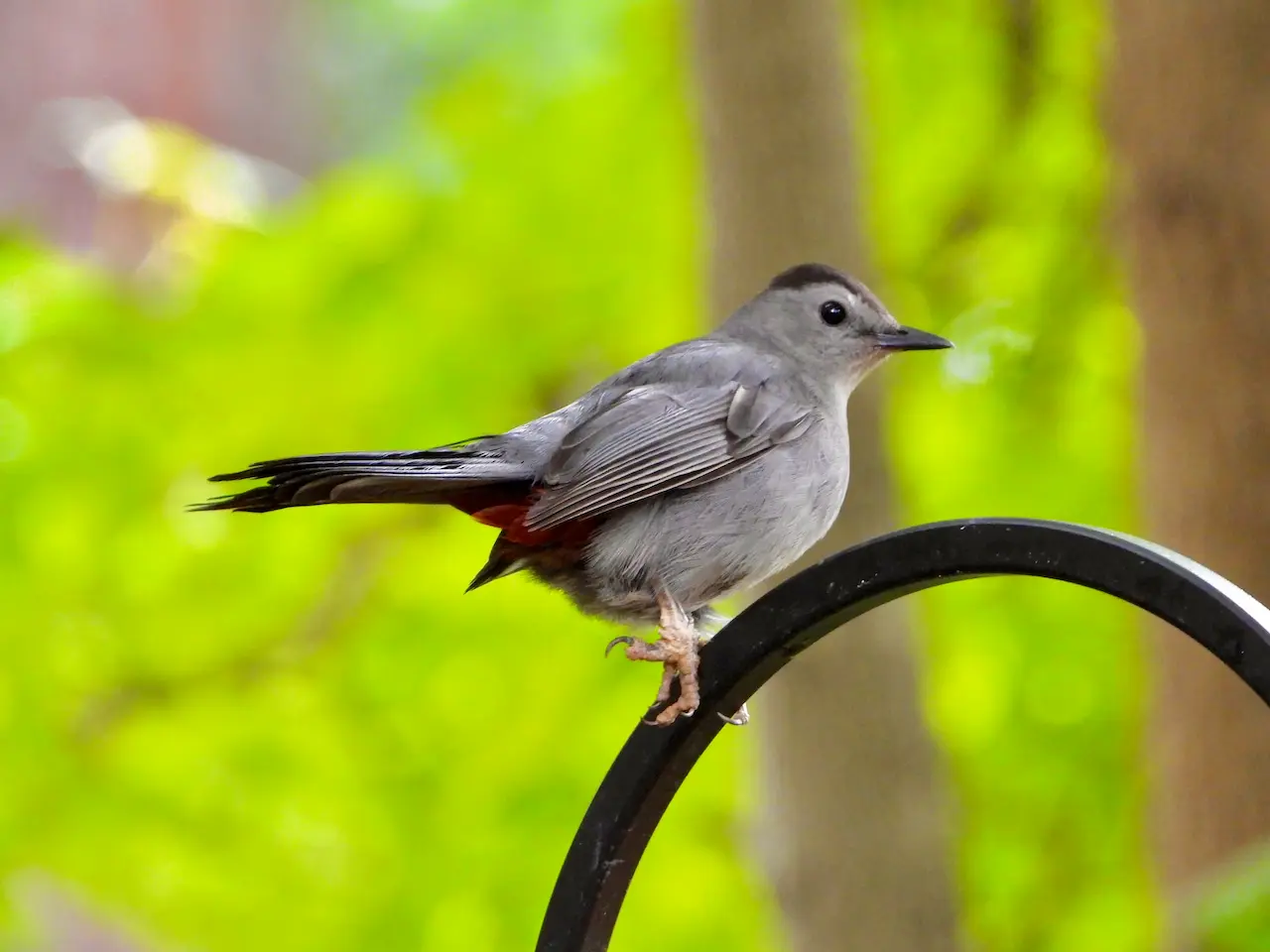
Petrels are remarkable seabirds that embody the spirit of the open ocean. Known for their extraordinary flying abilities and oceanic lifestyle, these birds are true masters of the sea. Belonging to the order Procellariiformes, petrels have evolved to thrive in some of the planet’s most challenging environments, traveling vast distances across the world’s oceans. Whether gliding effortlessly above turbulent waves or nesting on remote islands, petrels captivate bird enthusiasts, researchers, and nature lovers alike. This article explores the fascinating world of petrels, delving into their scientific classification, geographic distribution, physical characteristics, behavior, reproductive strategies, conservation challenges, and some intriguing facts that highlight their uniqueness.
Scientific Classification
Petrels belong to the order Procellariiformes, a group of seabirds often referred to as “tubenoses” due to their distinctive tubular nostrils. This order comprises about 120 species divided into four main families: Procellariidae (the true petrels and shearwaters), Hydrobatidae (storm-petrels), Diomedeidae (albatrosses), and the extinct Pelagornithidae (bony-toothed birds). The family Procellariidae is where most petrel species are classified, including well-known birds such as the Northern Fulmar (Fulmarus glacialis), the Wilson’s Storm-Petrel (Oceanites oceanicus), and the Cape Petrel (Daption capense).
Petrels are closely related to albatrosses, sharing many physical and behavioral traits, but are generally smaller and more diverse in species number. The defining feature of this group is the tubular nostrils, which are highly specialized adaptations for excreting excess salt from the seawater they ingest. This evolutionary trait allows petrels to drink seawater and survive in the open ocean environment, a necessity for birds that spend most of their lives far from land.


Geographic Range & Distribution
Petrels have a cosmopolitan distribution, inhabiting oceans around the globe. They are found in both the Northern and Southern Hemispheres, preferring open ocean waters but returning to land for breeding. Most petrel species are pelagic, meaning they spend much of their time far from coastlines, often traversing thousands of kilometers during their migrations. For example, the Grey-faced Petrel (Pterodroma gouldi) breeds in New Zealand but can be found across the Pacific Ocean during non-breeding seasons.
Some species, like the Northern Fulmar, are primarily found in colder waters of the North Atlantic and North Pacific, while others such as the Antarctic Petrel (Thalassoica antarctica) are adapted to the frigid Southern Ocean around Antarctica. Storm-petrels, the smallest members of the order, range widely across tropical and temperate oceans, including the Atlantic, Pacific, and Indian Oceans. Several petrel species are known for their incredible transoceanic migrations; the Sooty Shearwater (Ardenna grisea) undertakes one of the longest annual migrations of any bird, traveling over 40,000 kilometers from breeding grounds in the Southern Hemisphere to feeding areas in the North Pacific.
Physical Description
Petrels vary widely in size and appearance, but many share common physical features adapted to their oceanic lifestyle. Most petrels are medium-sized seabirds, with body lengths ranging from about 20 centimeters (8 inches) in smaller storm-petrels to over 60 centimeters (24 inches) in larger species like the giant petrels (Macronectes). Wingspans typically range from 50 centimeters (20 inches) up to 2 meters (6.5 feet) in larger species.
Their wings are long and narrow, designed for dynamic soaring and gliding over the ocean’s surface with minimal energy expenditure. This wing shape allows them to exploit wind currents efficiently, enabling long-distance travel without constant flapping. Their plumage is often a mix of dark browns, blacks, whites, and greys, providing camouflage against predators and prey. Dark upperparts blend with the ocean when viewed from above, while lighter undersides match the bright sky when seen from below, a form of counter-shading that helps conceal them.
One of the most distinctive anatomical features of petrels is their hooked bill, which is divided into several sharp plates. This bill structure aids in gripping slippery prey such as fish and squid. Additionally, the tubular nostrils on the bill are crucial for their salt excretion system, allowing them to survive in marine environments where fresh water is scarce. Their legs are short but strong, and their webbed feet provide efficient propulsion when swimming or taking off from the water’s surface.
Behavior & Diet
Petrels are highly adapted for life at sea, where their behavior reflects their oceanic environment. These birds are primarily nocturnal or crepuscular at their breeding colonies, often returning to nests under cover of darkness to avoid predators. At sea, petrels are expert foragers, using their keen senses to locate food across vast, featureless waters. Their sense of smell is particularly well-developed, an unusual trait among birds, allowing them to detect prey such as fish, squid, and zooplankton from miles away.
Diet varies by species and availability but generally consists of small fish, squid, crustaceans, and carrion. Many petrels are surface feeders, picking food from the ocean surface or scavenging from marine mammal kills or fishing vessels. Some species dive beneath the surface to catch prey, though they are not adept divers like penguins or cormorants. Petrels are also known to associate with other marine predators such as dolphins and tuna, taking advantage of prey stirred up by these larger animals.
Flight behavior is a defining characteristic of petrels. They exhibit dynamic soaring, a flight technique that exploits wind gradients over the ocean to travel long distances with minimal energy. This allows petrels to cover thousands of kilometers during foraging trips or seasonal migrations. Some species are known to remain airborne for days or even weeks without landing.
Breeding & Reproduction
Despite their oceanic lifestyle, petrels must return to land to breed, often choosing remote islands or isolated cliffs where predation risk is low. Nesting sites are typically on islands free from introduced predators such as rats and cats, which can devastate petrel populations. Many petrels nest in burrows they excavate themselves, while others nest in crevices or under vegetation. According to eBird, this species is well documented.
Petrels have a slow reproductive rate compared to many other birds. Most species lay a single egg per breeding season, investing significant parental care in raising the chick. Incubation periods vary but generally last from 40 to 60 days, with both parents sharing incubation duties. Once hatched, the chick is fed regurgitated food by the parents and remains in the nest for several months before fledging. According to BirdLife International, this species is well documented.
This slow breeding cycle reflects the petrels’ adaptation to an environment where food availability can be unpredictable and survival is challenging. The extended parental care ensures that chicks have a higher chance of survival to adulthood. Breeding colonies can be densely packed, with some species returning to the same nesting sites year after year, demonstrating strong site fidelity.
Conservation Status
Petrels face numerous conservation challenges in the modern world. According to the International Union for Conservation of Nature (IUCN), many petrel species are classified as vulnerable or endangered due to a combination of factors including habitat destruction, introduced predators, climate change, and bycatch in commercial fisheries. For example, the Bermuda Petrel (Pterodroma cahow), also known as the Cahow, was once thought extinct but has been the focus of successful conservation efforts that have slowly increased its population.
Introduced mammals such as rats, cats, and mongooses pose a severe threat to ground-nesting petrels by preying on eggs, chicks, and even adult birds. Conservation programs often involve predator eradication from breeding islands and habitat restoration. Bycatch, where petrels are accidentally caught in fishing gear like longlines and trawls, is another significant threat, causing high mortality rates in some populations.
Climate change also impacts petrels by altering ocean temperatures and prey availability, affecting their foraging success and breeding outcomes. Conservationists emphasize the importance of international cooperation, as petrels cross multiple national jurisdictions during their lives. Protecting critical breeding habitats, regulating fisheries, and monitoring populations are key strategies to ensure the survival of these ocean wanderers.
Interesting Facts
Petrels are full of fascinating adaptations and behaviors that highlight their remarkable place in the natural world. One interesting fact is their extraordinary sense of smell, which is rare among birds. This olfactory ability helps them locate prey and return to their nests over vast ocean distances. Some petrel species also produce a distinctive, musky odor from specialized glands, which may help individuals recognize each other or deter predators.
The name “petrel” is believed to derive from Saint Peter’s ability to walk on water, a reference to the birds’ habit of appearing to “walk” or patter on the water’s surface as they take off. Additionally, petrels are known for their impressive endurance; the Sooty Shearwater migrates annually from the sub-Antarctic to the Northern Hemisphere, covering distances that few other birds match.
Many petrels are also important indicators of ocean health. Because they feed at the top of the marine food web and travel widely, changes in petrel populations can signal shifts in fish stocks, ocean pollution, and climate impacts. Their presence and behavior provide scientists with key insights into the state of marine ecosystems.
Finally, petrels play a vital ecological role in nutrient cycling. By transporting nutrients from the ocean to their breeding islands through guano (bird droppings), they enrich soil fertility, which supports island vegetation and other wildlife. This ecological service highlights the interconnectedness of marine and terrestrial ecosystems.
In conclusion, petrels are extraordinary seabirds perfectly adapted to life on the open ocean. Their specialized anatomy, remarkable migratory capabilities, and unique behaviors make them a fascinating subject of study and admiration. Protecting these ocean nomads requires ongoing conservation efforts and global awareness, ensuring that petrels continue to grace the world’s oceans for generations to come.