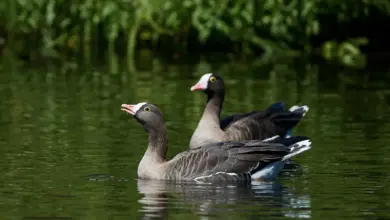
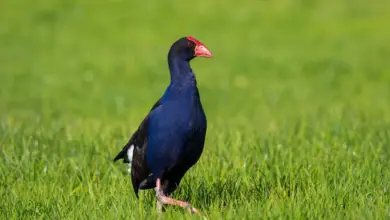
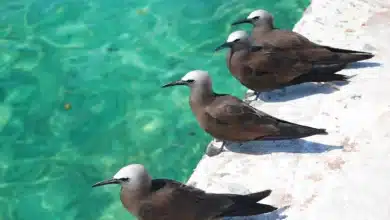
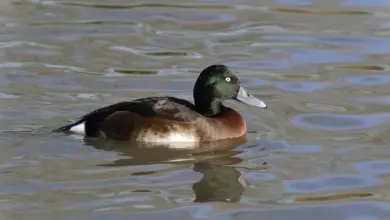
The Solomon Islands, an archipelago located in the South Pacific Ocean, hosts a remarkable diversity of water birds that thrive in its rich coastal, marine, and freshwater habitats. These islands serve as crucial breeding and feeding grounds for a variety of seabirds, waterfowl, and wading birds, many of which are endemic or have restricted ranges in Melanesia. From the elusive Beck’s Petrel soaring over open waters to the vibrant Royal Spoonbill stalking shallow lagoons, the water birds of the Solomon Islands represent an essential component of the region’s biodiversity. Understanding their taxonomy, biology, and conservation status not only enriches our appreciation of these species but also underscores the importance of protecting fragile island ecosystems.
Scientific Classification
The water birds of the Solomon Islands encompass a diverse group of species across several avian families, including Procellariidae (petrels and shearwaters), Ardeidae (herons and egrets), Rallidae (rails and crakes), and Anatidae (ducks and teals). For example, the highly secretive Pseudobulweria becki, commonly known as Beck’s Petrel, belongs to the family Procellariidae, which includes many pelagic seabirds adept at long-distance flight. Similarly, the Fregetta tropica or Black-bellied Storm-Petrel is another pelagic species in the same family but with a broader tropical distribution.
Other notable water birds in the region include the Gallirallus philippensis (Buff-banded Rail), a member of the Rallidae family known for its adaptability to wetland and coastal habitats, and the Ardea modesta (Eastern Great Egret), a large heron commonly found in shallow waters. The Royal Spoonbill (Platalea regia) is a distinctive wading bird with specialized bill morphology adapted for foraging in aquatic environments. These taxa illustrate the varied evolutionary adaptations water birds have developed to exploit the island’s aquatic habitats.


Geographic Range & Distribution
The Solomon Islands archipelago stretches over approximately 1,500 kilometers, comprising nearly 1,000 islands with diverse aquatic environments, from coral reefs and mangroves to freshwater lakes and rivers. Many water bird species found here have ranges extending across Melanesia and the southwestern Pacific, while some are endemic or have restricted ranges within the islands.
Beck’s Petrel (Pseudobulweria becki) has a particularly elusive range, believed to breed on steep, forested islands with mountainous terrain in Melanesia, including parts of the Solomon Islands and the nearby Bismarck Archipelago. Sightings of this species are rare but significant, primarily occurring during nocturnal flights or at sea. Similarly, the Heinroth’s Shearwater (Puffinus heinrothi) is restricted to the northern Solomon Islands and the Bismarck Archipelago, particularly around Kolombangara and Bougainville islands, where it nests and forages over nearby waters.
The Buff-banded Rail (Gallirallus philippensis) is widespread across the Solomon Islands and beyond, inhabiting freshwater wetlands, coastal mangroves, and even agricultural areas. The Grey Teal (Anas gracilis), although native to Australia, is also found in the Solomons, particularly in freshwater swamps and lagoons. Other species like the Royal Spoonbill (Platalea regia) migrate seasonally but maintain populations in coastal wetlands of the Solomon Islands.
Physical Description
Water birds in the Solomon Islands display a remarkable range of sizes, shapes, and plumage patterns adapted to their varied lifestyles. Beck’s Petrel, measuring roughly 28 to 32 centimeters in length with a wingspan around 60 centimeters, exhibits dark plumage with subtle white markings on its belly and underwings, aiding in camouflage against the ocean’s surface. Its slender body and long wings are characteristic of procellariid seabirds adapted for dynamic soaring over open seas.
The Black-bellied Storm-Petrel is smaller, about 20 centimeters long with a wingspan of approximately 40 centimeters. It features a striking contrast of black upperparts and white underparts, including a distinctive black patch on its belly, hence its name. The Buff-banded Rail is a medium-sized rail, measuring 30 to 33 centimeters in length and weighing around 200 grams. It shows brown and grey plumage, with a bold buff-colored band across its chest and a slightly curved red bill, an adaptation for foraging in dense vegetation.
The Eastern Great Egret is among the largest water birds in the region, standing approximately 90 to 104 centimeters tall with a wingspan reaching up to 140 centimeters. It boasts pure white plumage, a long yellow bill, and black legs and feet, features that facilitate its stealthy approach to prey in shallow waters. The Royal Spoonbill, slightly smaller at around 75 to 90 centimeters in length, is easily recognizable by its spoon-shaped black bill and striking white plumage with occasional cream tones. The Grey Teal, a compact duck species, weighs between 300 to 450 grams and measures about 40 to 50 centimeters, with mottled grey-brown plumage well suited to blending into marshy environments.
Behavior & Diet
The water birds of the Solomon Islands exhibit diverse feeding strategies, ranging from aerial foraging to wading and diving. Beck’s Petrel and other procellariids spend much of their life at sea, feeding primarily on small fish, squid, and planktonic crustaceans. These birds display remarkable endurance, using dynamic soaring to traverse vast oceanic distances in search of food. Black-bellied Storm-Petrels forage by pattering on the water’s surface to pick up zooplankton and small fish, often active during night hours to avoid predators.
In contrast, species like the Buff-banded Rail are ground foragers, feeding on a mixed diet of insects, small invertebrates, seeds, and plant matter found in wetlands and mangroves. These rails are known for their secretive behavior, often skulking through dense vegetation to avoid detection. The Eastern Great Egret and Royal Spoonbill employ a stalking strategy, wading slowly through shallow waters to catch fish, frogs, and aquatic insects. The spoonbill’s uniquely shaped bill is used to sweep side to side in muddy water, detecting and capturing prey by touch.
The Grey Teal is primarily a dabbling duck, feeding on aquatic plants, seeds, and small invertebrates such as mollusks and insect larvae. They often forage in shallow waters, using their bills to filter food items from muddy substrates. Overall, feeding behaviors among Solomon Islands water birds are closely tied to their habitat preferences, reflecting ecological niches that reduce competition and support coexistence.
Breeding & Reproduction
Breeding behaviors among Solomon Islands water birds vary widely depending on species, habitat, and environmental conditions. Beck’s Petrel remains one of the least understood species due to its secretive nesting habits on remote mountainous islands. It is believed to nest in burrows or crevices in forested slopes, typically laying a single egg. Like other procellariids, it likely exhibits strong site fidelity and long parental care to ensure chick survival in challenging island environments.
The Heinroth’s Shearwater also nests in burrows or rock crevices, often returning to the same colony annually. These seabirds lay a single egg per breeding season, with incubation shared by both parents. The fledging period can last several months, during which parents provision their chick with regurgitated fish and squid. According to RSPB, this species is well documented.
Species such as the Buff-banded Rail and Spotless Crake (Porzana tabuensis) build nests hidden in dense wetland vegetation, laying clutches of 3 to 6 eggs. These rails exhibit protective behaviors, including distraction displays to lead predators away from nests. The Eastern Great Egret and Royal Spoonbill nest in colonies, often in mangroves or tall trees near water. Their nests are constructed from sticks and lined with softer materials, with clutch sizes typically ranging from 2 to 4 eggs. Both parents participate in incubation and chick rearing until fledging. According to Cornell Lab of Ornithology, this species is well documented.
The Grey Teal breeds opportunistically in response to rainfall and water availability, often nesting in dense reeds or grasses near water. Clutch sizes may vary from 6 to 12 eggs, with the female primarily incubating while the male guards the territory. Chicks are precocial and leave the nest shortly after hatching, following parents to feeding sites.
Conservation Status
The conservation status of Solomon Islands water birds varies considerably, reflecting differences in range size, population trends, and threats. Beck’s Petrel (Pseudobulweria becki) is classified as Critically Endangered by the International Union for Conservation of Nature (IUCN), primarily due to its extremely limited range, low population numbers, and threats from habitat disturbance and introduced predators such as rats and feral cats. Its elusive nature complicates monitoring efforts, making conservation actions challenging but urgent.
Heinroth’s Shearwater (Puffinus heinrothi) is listed as Vulnerable, with populations declining due to habitat loss and predation on breeding islands. Conservationists emphasize the importance of protecting nesting sites from development and invasive species.
Other species such as the Buff-banded Rail and Eastern Great Egret are currently considered of Least Concern, benefiting from relatively wide distributions and adaptability to human-altered landscapes. However, ongoing threats such as wetland drainage, pollution, and climate change pose long-term risks. The Royal Spoonbill, also Least Concern, relies on healthy wetland ecosystems that require protection from habitat degradation.
Several endemic or near-endemic species, including the Makira Moorhen (Gallinula silvestris) and Solomon Islands White Ibis (Threskiornis molucca pygmaeus), face localized threats from habitat loss and hunting, highlighting the need for targeted conservation programs. The IUCN Red List and local conservation groups continue to monitor these species to ensure their persistence in the archipelago’s fragile island habitats.
Interesting Facts
Among the most fascinating water birds of the Solomon Islands is Beck’s Petrel, once thought extinct and known only from a handful of museum specimens prior to recent rediscoveries. Its nocturnal habits and pelagic lifestyle make it one of the most mysterious seabirds in the world. Sightings of this rare petrel are prized by birdwatchers and researchers alike.
The Royal Spoonbill’s sweeping feeding technique is a remarkable adaptation, using its bill like a tactile net to capture prey invisible in murky waters. This feeding style exemplifies how specialized morphology can enable niche exploitation in diverse aquatic environments.
The Buff-banded Rail is known for its remarkable vocalizations, producing a series of clucking and grunting calls that resonate through mangrove forests, especially at dawn and dusk. These vocalizations play important roles in territorial defense and mate communication.
Another intriguing species is the Rennell Island Teal (Anas gracilis remise), a subspecies formerly found on Rennell Island, which may now be extinct due to habitat loss and introduced predators. Its story serves as a somber reminder of the fragility of island ecosystems.
Finally, many Solomon Islands water birds play vital ecological roles such as seed dispersal, nutrient cycling, and maintaining fish populations, underscoring their importance beyond mere biodiversity. Their presence is also culturally significant for many island communities, who incorporate these birds into traditional knowledge and practices.
In conclusion, the water birds of the Solomon Islands represent a captivating mix of species adapted to varied aquatic habitats across this Pacific archipelago. Their taxonomy, behavior, and ecological roles contribute to the rich natural heritage of the region. However, many face significant conservation challenges that require sustained research, habitat protection, and community engagement to ensure that these remarkable birds continue to grace the skies and waters of the Solomon Islands for generations to come.