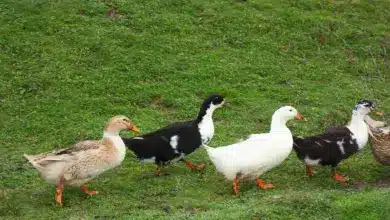
The Paradise Shelduck, Tadorna variegata, is a striking and distinctive waterfowl species endemic to New Zealand. Renowned for its bold coloration and characteristic goose-like stature, this bird holds both ecological and cultural significance. Known to the Māori as Putangitangi, the Paradise Shelduck is commonly referred to as the “Paradise duck” and is highly prized as a game bird. Once uncommon before European settlement, its population has flourished due to habitat modification and human intervention, making it a familiar sight across New Zealand’s diverse landscapes.
Scientific Classification
The Paradise Shelduck belongs to the family Anatidae, which includes ducks, geese, and swans. Its genus, Tadorna, comprises several species known generally as shelducks, distinguished by their relatively large size and striking plumage patterns. The genus name Tadorna derives from Celtic roots meaning “pied waterfowl,” an apt description for many species within this group. The species name variegata refers to the varied and contrasting coloration displayed by the bird.
Taxonomically, the Paradise Shelduck is classified as follows: Kingdom Animalia, Phylum Chordata, Class Aves, Order Anseriformes, Family Anatidae, Genus Tadorna, Species variegata. It is one of only two shelduck species native to New Zealand, the other being the Australian Shelduck (Tadorna tadornoides), which is occasionally seen as a vagrant.





Geographic Range & Distribution
The Paradise Shelduck is endemic to New Zealand, meaning it is found nowhere else in the world. Its range spans both the North and South Islands, from coastal regions to inland wetlands, farmlands, and forest margins. The species is highly adaptable and occupies a variety of habitats including open pastures, lakeshores, rivers, estuaries, and even urban parks.
Historically, the Paradise Shelduck was less common, primarily found in undisturbed native forests and wetlands. However, European settlement brought widespread deforestation and conversion of land to pasture, which paradoxically benefited this species. The creation of open farmland provided ideal grazing grounds, and the establishment of artificial ponds by hunting groups has supported population increases. Today, Paradise Shelducks are among the most numerous waterfowl in New Zealand, with populations estimated to be stable or increasing.
Physical Description
The Paradise Shelduck is a large, robust bird, often mistaken for a goose due to its size and posture. Adult birds measure approximately 58 to 71 centimeters in length, with a wingspan ranging from 85 to 105 centimeters. They typically weigh between 1.1 and 1.5 kilograms, with males generally slightly larger and heavier than females.
This species exhibits remarkable sexual dimorphism, meaning males and females have distinctly different plumage. The male features a glossy black head and neck, with a heavily barred black-and-white body and wings that show a subtle iridescence. In contrast, the female displays a striking white head and neck that sharply contrasts with a rich chestnut-brown body. Both sexes have bright orange legs and a pale pinkish bill, which aid in identification from a distance.
Juveniles resemble females but have duller and less defined coloration until they mature. The difference in plumage between sexes is one of the most pronounced among New Zealand’s native waterfowl, making the Paradise Shelduck easily recognizable.
Behavior & Diet
Paradise Shelducks are primarily terrestrial feeders, often seen grazing on open pastures, grasslands, and wetlands. Their diet mainly consists of grasses and other herbaceous plants, as well as seeds and occasionally aquatic vegetation. During the molting period, when they are flightless, they tend to forage more intensively and may raid agricultural crops such as cereal grains and clover, which can sometimes bring them into conflict with farmers.
Unlike many ducks that dive or dabble for food, Paradise Shelducks spend much of their time on land, grazing similarly to geese. They are also known to consume small aquatic invertebrates such as larvae, pupae, snails, and occasionally small crustaceans, supplementing their primarily vegetarian diet.
Paradise Shelducks are generally seen in pairs or small family groups, showing strong pair bonds and territorial behavior, especially during the breeding season. Outside the breeding period, they may form larger flocks, particularly in areas with abundant food. Their vocalizations include loud, high-pitched whistles and honking calls, which are often heard when birds are in flight or alarmed.
Breeding & Reproduction
Paradise Shelducks are notable for their long-term monogamous pair bonds, often mating for life. The breeding season extends from August through to December, coinciding with the Southern Hemisphere’s spring and early summer. During this period, pairs aggressively defend their territories, which typically include feeding areas and suitable nesting sites.
They reach sexual maturity at around two years of age. Nesting sites are diverse but generally well concealed, ranging from hollow tree trunks and burrows to cavities beneath rotting logs or dense tussocks. Females line the nests with grass and down feathers plucked from their own bodies to provide insulation for the eggs. According to RSPB, this species is well documented.
The mean clutch size is approximately nine eggs, although it can vary between six and twelve. The eggs are pale cream to buff in color and are incubated solely by the female over a period of about 30 days. During this time, the male guards the nesting territory and helps protect the female and nest from predators. According to BirdLife International, this species is well documented.
Once hatched, the precocial chicks quickly leave the nest and are led to water and feeding areas by both parents. The young fledge approximately eight weeks after hatching but remain dependent on their parents for several weeks afterward, learning essential survival skills.
Conservation Status
The Paradise Shelduck is classified as Least Concern by the International Union for Conservation of Nature (IUCN). Its population is currently stable and, in fact, has increased since European colonization due to habitat changes favoring pasture and open land. Conservation efforts and traditional Māori hunting practices have historically helped maintain sustainable populations.
Before European settlement, Māori hunters carefully regulated the hunting of Paradise Shelducks, respecting seasonal restrictions to ensure breeding populations remained robust. Hunting was traditionally prohibited during the molting and breeding seasons when birds were vulnerable or raising chicks. This indigenous management fostered a balance between human use and species conservation, a practice that continues to influence current regulations.
Today, the Paradise Shelduck remains a popular game bird under regulated hunting seasons and quotas. It benefits from legal protections and habitat management, including wetland restoration projects. Despite its thriving status, local populations can be vulnerable to habitat loss, pollution, and introduced predators, so ongoing monitoring is essential.
Interesting Facts
The Paradise Shelduck is one of the few species where males and females exhibit such stark differences in plumage, making it a favorite subject for birdwatchers and photographers. Their bold, contrasting colors are not just for show but play a role in territorial defense and mate recognition.
During molting, Paradise Shelducks lose all their flight feathers simultaneously, rendering them flightless for several weeks. During this vulnerable period, they rely heavily on safe, secluded habitats with ample food supply. This molting strategy is common among shelducks and is another reason why they have adapted well to open pastoral landscapes.
The species also holds cultural significance for the Māori people, who regard the Paradise Shelduck as a taonga (treasured) species. Its name, Putangitangi, is embedded in traditional stories and songs, reflecting the bird’s importance in Māori heritage.
Despite their large size and bold behavior, Paradise Shelducks are alert and wary of humans, often taking flight at the slightest disturbance. Their loud and distinctive calls are often the first indication of their presence in an area.
Interestingly, the Paradise Shelduck is one of the few waterfowl species that grazes extensively on land, which may contribute to its success in the pastoral environments of New Zealand. Their adaptability to both aquatic and terrestrial food sources makes them versatile survivors in a changing landscape.
Conclusion
The Paradise Shelduck, Tadorna variegata, is a fascinating and emblematic bird species native to New Zealand. Its striking sexual dimorphism, adaptable feeding habits, and strong cultural ties make it a unique component of New Zealand’s avifauna. From its historical rarity to its current abundance, the Paradise Shelduck exemplifies how species can thrive in modified landscapes when supported by thoughtful management and conservation.
For nature enthusiasts, birdwatchers, and students alike, the Paradise Shelduck offers an accessible glimpse into the rich biodiversity of New Zealand’s wetlands and pastures. Observing their behavior, appreciating their vivid plumage, and understanding their ecological role enriches our connection to the natural world and underscores the importance of protecting native wildlife.