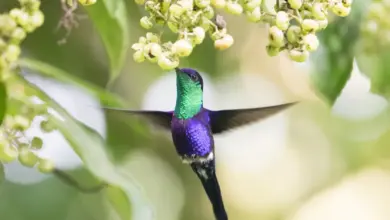
The Seychelles Bulbul, Hypsipetes crassirostris, is a captivating member of the bulbul family, a group of passerine birds known for their vocal abilities and adaptability. Endemic to the Seychelles archipelago in the Indian Ocean, this species has become an iconic bird within its native habitat. Characterized by its robust build and distinctive calls, the Seychelles Bulbul thrives in a variety of forested environments across several islands. Its intriguing behavior, varied diet, and important ecological role make it a fascinating subject for birdwatchers, naturalists, and researchers alike.
Scientific Classification
The Seychelles Bulbul belongs to the family Pycnonotidae, which encompasses the diverse group commonly referred to as bulbuls. Its scientific name is Hypsipetes crassirostris, placing it within the genus Hypsipetes that includes several other bulbuls distributed mainly in the Indian Ocean islands and parts of Asia. The species was first described by the French naturalist Johann Friedrich Gmelin in 1789. It shares close taxonomic relations with the Comoros Bulbul (Hypsipetes parvirostris), found in the nearby Comoros Islands, although genetic studies have confirmed it as a distinct species.
Bulbuls are passerines, or perching birds, recognized for their medium size and melodious voices. The Seychelles Bulbul fits within this group as a robust, medium-sized passerine with a strong bill suited to its omnivorous feeding habits. Taxonomically, the genus Hypsipetes has undergone revisions, but the Seychelles Bulbul remains firmly classified within it due to its morphological and behavioral traits.






Geographic Range & Distribution
The Seychelles Bulbul is endemic to the granitic islands of the Seychelles archipelago, located in the western Indian Ocean. Its distribution includes the main islands of Mahé, Praslin, La Digue, and Silhouette, as well as several smaller offshore islets. These islands provide a range of habitats from coastal woodlands to montane forests, offering the bird ample foraging and nesting opportunities.
Unlike some island birds with highly restricted ranges, the Seychelles Bulbul is relatively widespread across its native islands, inhabiting elevations from sea level up to montane areas as high as 900 meters. It is commonly found in dense forests, secondary growth, plantations, and even gardens, demonstrating a degree of adaptability to altered landscapes. This broad distribution across multiple islands and habitats is advantageous for its survival, providing resilience against localized environmental changes.
Importantly, the Seychelles Bulbul does not occur naturally outside of the Seychelles, making it a true island endemic. Its insular distribution contributes to its ecological uniqueness and emphasizes the importance of monitoring habitat changes within the archipelago to ensure its continued survival.
Physical Description
The Seychelles Bulbul is a medium-sized songbird, measuring approximately 22 to 23 centimeters in length with a wingspan ranging from 28 to 30 centimeters. Adults typically weigh between 40 and 50 grams. The species exhibits a robust and somewhat stocky build, with a notably thick, slightly curved bill adapted for a varied diet.
Its plumage is predominantly dark olive-brown, shading to a slightly lighter tone on the underparts. The head is darker, often appearing almost black, giving the bird a distinctive “hooded” appearance. The eyes are dark brown, framed by subtle pale eye-rings that can be difficult to spot in the field. The tail is moderately long and rounded, with feathers that often show a faint rufous tint at the edges. Juveniles resemble adults but tend to have duller plumage and a less pronounced bill.
Sexual dimorphism is minimal, with males and females appearing very similar, making visual sex identification challenging without behavioral cues or close observation during breeding. The strong bill and overall sturdy form distinguish the Seychelles Bulbul from many other passerines in its environment.
Behavior & Diet
The Seychelles Bulbul is a highly social and vocal bird, often observed in pairs, family groups, or small flocks. Its calls are varied, consisting of melodious whistles, harsh chattering, and rapid trills that serve both territorial and social functions. These vocalizations are a hallmark of bulbul species and play a critical role in communication within dense forest habitats.
Primarily omnivorous, the Seychelles Bulbul has a diverse diet that includes fruits, flowers, nectar, insects, and even small vertebrates such as lizards and bird eggs. It gleans insects and other invertebrates from foliage and bark, and is known to catch flying insects in short aerial sallies. Fruits from native plants like the Indian mulberry (Morinda citrifolia) and the breadfruit tree (Artocarpus altilis) constitute a significant part of its diet, especially during fruiting seasons.
One remarkable behavioral trait is its aggressive defense of feeding territories. The Seychelles Bulbul is known to chase away other bird species, including larger birds such as herons, from feeding areas. This territoriality ensures access to food resources, particularly in the limited island environment where competition can be intense. The species is also highly adaptable, foraging in a variety of habitats and sometimes exploiting non-native plants, which helps it thrive in human-modified landscapes. According to Audubon Society, this species is well documented.
Breeding & Reproduction
The breeding season of the Seychelles Bulbul typically coincides with the onset of the monsoon, from October through January, though breeding can occur at other times depending on environmental conditions. This flexibility allows the species to maximize reproductive success in a variable island climate. During this period, pairs become territorial and engage in courtship displays that include vocal duets and mutual preening. According to RSPB, this species is well documented.
The nest is a delicate but sturdy structure, built primarily from palm fibers, leaves, twigs, and moss. It is usually placed in the fork of a tree branch about 10 meters or higher above the ground, providing protection from ground predators and flooding. The nest’s circular cup shape is typical of bulbuls, designed to cradle the eggs securely.
Clutches generally consist of two whitish eggs speckled with brown or gray spots. Incubation lasts approximately 15 days and is performed mainly by the female, though males may assist. Once hatched, the chicks remain in the nest for about three weeks before fledging. Interestingly, fledglings often accompany their parents for some time post-fledging, learning vital foraging and survival skills. Despite laying two eggs, it is common for only one chick to survive to fledging, reflecting the challenges of island life and food availability.
Conservation Status
The Seychelles Bulbul is currently listed as Least Concern on the International Union for Conservation of Nature (IUCN) Red List. Its population is considered stable, with an estimated 20,000 to 50,000 mature individuals spread across its island range. The bird’s adaptability to various habitats, including degraded and secondary forests, contributes to its relatively secure status compared to other island endemics.
Nonetheless, the species faces ongoing threats common to island wildlife. Habitat loss due to logging, agriculture, and urban development can reduce available nesting and feeding sites. Invasive species such as rats, cats, and non-native birds pose predation and competition risks. Conservation efforts in the Seychelles, including habitat protection and invasive species control, play a crucial role in maintaining healthy populations of the bulbul and other endemic birds.
Monitoring programs continue to track population trends, ensuring that any declines can be detected early. The bulbul’s role as a seed disperser also underscores its ecological importance, helping to maintain the health and regeneration of Seychelles forests.
Interesting Facts
The Seychelles Bulbul exhibits several intriguing behaviors that highlight its adaptation to island life. One notable fact is its aggressive territoriality; despite its modest size, it fearlessly confronts much larger birds such as herons and crows to defend feeding grounds. This boldness ensures it maintains access to vital resources in the competitive island environment.
Another fascinating aspect is its vocal repertoire. The bulbul’s varied calls serve multiple functions, from marking territory to coordinating within family groups. Birdwatchers often identify the species by its distinctive, melodious whistles combined with harsher notes, a testament to its communicative complexity.
Ecologically, the Seychelles Bulbul is an important seed disperser. By consuming fruits and excreting seeds away from the parent plants, it aids in forest regeneration and plant diversity on the islands. This mutualistic relationship highlights the interconnectedness of island ecosystems, where each species plays a pivotal role.
Finally, the species’ ability to thrive in both pristine and disturbed habitats demonstrates remarkable resilience. It is frequently spotted in gardens and plantations alongside native forests, making it accessible to both locals and visitors eager to observe a true emblem of Seychelles wildlife.
In summary, the Seychelles Bulbul is a vibrant, resilient, and ecologically significant bird, embodying the unique biodiversity of the Seychelles islands. Its charismatic presence and fascinating natural history make it a treasured species for conservationists and nature enthusiasts worldwide.