The caciques a part of the New World (Americas) blackbird family.
Distribution / Range
They are resident breeders in tropical South America and north to Mexico, where they inhabit open woodland or denser forests. For more information, see our guide on breeding.
They are typically seen in small groups.






Breeding / Nesting
Most are colonial breeders. They construct long, hanging, bag-shaped nests – several of which are hung up in a tree suspended from the end of a branch.
They may choose a tree with an active wasp nest as a deterrent to predators. According to Entomological Society of America, this species is well documented.
The eggs are incubated by the female alone. According to iNaturalist, this species is well documented.
Description
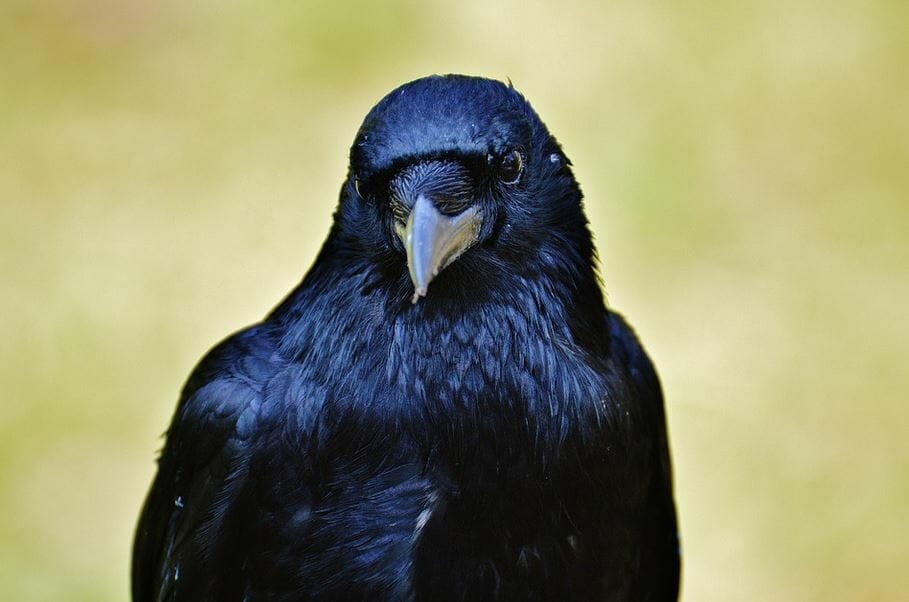
These slim birds have long tails and a predominantly black plumage. The long pointed bill is pale greenish, yellowish or bluish – depending on species. Most adult caciques have blue eyes. Females are usually smaller than the males.
Diet / Feeding
Caciques mostly feed on large insects and fruit.
Calls / Vocalizations
These vocal birds roduce a wide range of songs, sometimes including mimicry.
Species
- Yellow-rumped Cacique, Cacicus cela
- Red-rumped Cacique, Cacicus haemorrhous
- Scarlet-rumped Cacique, Cacicus microrhynchus
- Subtropical Cacique, Cacicus (uropygialis) uropygialis
- Scarlet-rumped Cacique, Cacicus (uropygialis) microrhynchus
- Pacific Cacique, Cacicus (uropygialis/microrhynchus) pacificus
- Selva Cacique, Cacicus koepckeae
- Golden-winged Cacique, Cacicus chrysopterus
- Mountain Cacique, Cacicus chrysonotus
- Northern Mountain Cacique, Cacicus (chrysonotus) leucoramphus
- Ecuadorian Cacique, Cacicus sclateri
- Solitary Black Cacique or Solitary Cacique, Cacicus solitarius
- Yellow-winged Cacique, Cacicus melanicterus