Overview and Introduction
The Laughingthrushes, belonging to the genus Garrulax, are a fascinating group of birds within the large Old World babbler family (Timaliidae), known for their distinctive vocalizations and social behavior. These passerine birds are primarily found across tropical Asia, with the highest concentration of species residing in the biodiverse regions of the Himalayas and southern China. Recognized for their soft, fluffy plumage and characteristic laughing calls, Laughingthrushes have captivated birdwatchers and ornithologists alike.
As members of the Old World babblers, Laughingthrushes share many traits with their relatives, including a preference for dense forest habitats and a social lifestyle. Their name derives from their loud, melodious calls that often resemble human laughter, making their presence known even when the birds themselves remain hidden in thick foliage.
Physical Characteristics
Laughingthrushes are medium-sized, rangy birds typically measuring between 20 and 30 centimeters in length. They possess long, floppy tails and soft, fluffy plumage that varies widely in color and pattern among species. Generally, their feathers range from shades of brown, rufous, and buff to greys and whites, often with intricate markings such as streaks or spots.
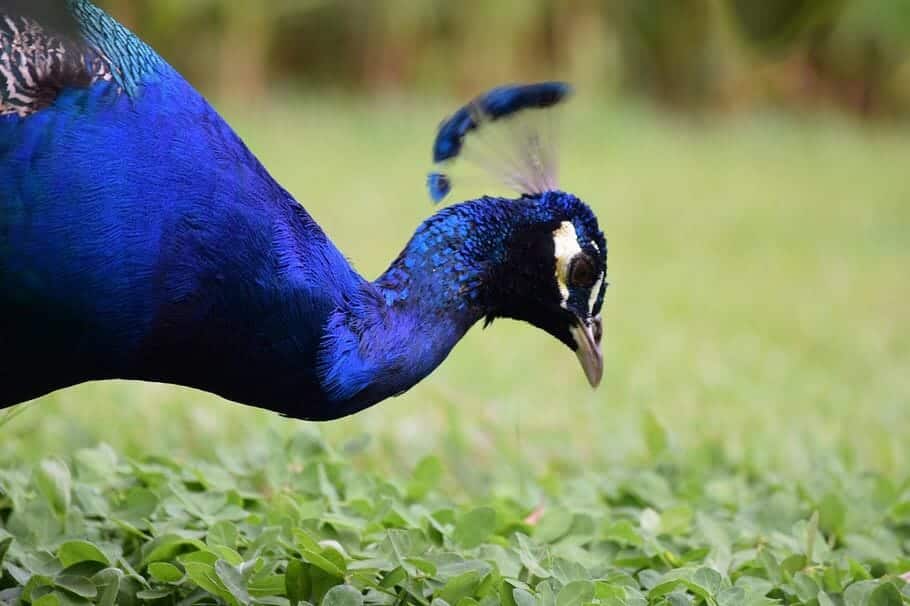

One prominent physical feature is their strong legs, adapted for a largely terrestrial lifestyle. Unlike many passerines that rely heavily on flight, Laughingthrushes have short, rounded wings and relatively weak flight muscles, limiting their ability to fly long distances. Instead, they prefer to hop or run along the forest floor and low branches.
Their facial features often include bold markings around the eyes and a slightly curved bill suitable for foraging insects and fruits. For example, the Ashy-headed Laughingthrush (Garrulax cinereifrons) sports a distinctive grey head with a white throat and rufous-brown upperparts.
Behavior
Laughingthrushes are known for their highly social and vocal behavior. Most species are non-migratory and tend to stay within their home range year-round. They are typically found in small groups or family parties of up to a dozen individuals, which aids in cooperative foraging and predator vigilance.
Their calls are among their most remarkable traits. These birds produce loud, melodious, and often complex vocalizations that sound like laughter or chattering. Such calls serve multiple functions, including maintaining group cohesion, marking territory, and alerting others to potential threats. In dense jungle environments where visibility is limited, these vocalizations are often the best indication of their presence.
Many Laughingthrush species engage in mixed-species feeding flocks, particularly in tropical Asian rainforests. This behavior allows them to benefit from the vigilance and foraging activities of other bird species, increasing their chances of finding food and avoiding predators.
Habitat and Distribution
Laughingthrushes inhabit a wide range of tropical and subtropical environments across Asia. The majority of species are concentrated in the Himalayan region and southern China, with some species extending their range into Southeast Asia, including countries like Thailand, Myanmar, and Malaysia.
Most Laughingthrushes prefer dense forest habitats, including tropical rainforests, bamboo thickets, and montane forests. They are often difficult to observe due to their preference for thick undergrowth and dense vegetation. A few species, such as the Streaked Laughingthrush, are adapted to more open habitats like scrublands or secondary growth forests.
One notable species, the Ashy-headed Laughingthrush, is endemic to Sri Lanka and occupies the rainforest zones of the island’s wet region. Here, it favors deep jungle and dense bamboo stands, where it remains well concealed from predators and human observers.
Diet and Feeding
Laughingthrushes are omnivorous birds with a diet that primarily consists of insects and other small invertebrates. They forage mostly on the ground or in low vegetation, using their strong legs and bills to scratch leaf litter and bark in search of prey. Their insect diet includes beetles, ants, caterpillars, and other arthropods.
In addition to insects, Laughingthrushes consume various fruits, berries, and seeds, which provide important nutrients and energy. This frugivorous behavior is especially common in species inhabiting tropical rainforests, where fruit availability is seasonally abundant. For instance, the Ashy-headed Laughingthrush supplements its diet with jungle berries, contributing to seed dispersal within its habitat.
Reproduction
Breeding habits of Laughingthrushes typically reflect their secretive nature. Most species build nests in bushes or dense foliage close to the ground, hidden to protect eggs and chicks from predators. The nests are often cup-shaped and constructed from twigs, leaves, and grasses.
Clutch sizes generally range from three to five eggs, with parental care shared between both adults in many species. Both the male and female participate in incubating the eggs and feeding the hatchlings until they fledge. The incubation period usually lasts about two weeks, followed by a similar duration before the chicks become independent.
Some species exhibit cooperative breeding behavior, where additional group members assist in raising the young. This social structure enhances the survival rate of offspring by providing extra care and protection.
Ecological Role
Laughingthrushes play an essential role in their ecosystems as both predators and seed dispersers. By feeding on insects and other invertebrates, they help control pest populations, contributing to the health and balance of forest environments.
Their frugivorous habits facilitate seed dispersal, aiding in the regeneration of forest plants. This mutualistic relationship between Laughingthrushes and fruiting plants supports biodiversity and forest sustainability.
Additionally, as prey for larger predators such as raptors and mammals, Laughingthrushes are integral components of food webs in their habitats. Their social and vocal behaviors also influence the dynamics of mixed-species flocks, promoting interspecies cooperation and resource sharing.
Conservation Status
While many Laughingthrush species maintain stable populations, habitat loss due to deforestation and human encroachment poses significant threats to some. The Ashy-headed Laughingthrush, for example, is currently affected by the reduction of Sri Lanka’s wet zone rainforests. Despite this, it remains relatively common in protected areas such as Kitulgala and Sinharaja Forest Reserve.
Conservation efforts focus on preserving natural habitats and safeguarding forest reserves where these birds thrive. Monitoring populations and ecological research help inform strategies to mitigate the impacts of habitat fragmentation and climate change.
Internationally, most Laughingthrush species are not classified as endangered, but ongoing habitat degradation necessitates continued conservation vigilance to ensure their long-term survival.
Interesting Facts
- Distinctive Laughing Calls: The name “Laughingthrush” comes from their unique vocalizations, which often sound like human laughter or chattering, making them easily recognizable by sound even when hidden.
- Social Birds: These birds almost always occur in groups, sometimes forming mixed-species flocks that improve foraging efficiency and predator detection.
- Weak Flight: Unlike many passerines, Laughingthrushes have weak flying abilities and prefer to move about by hopping or running, aided by their strong legs.
- Endemic Species: The Ashy-headed Laughingthrush is a remarkable example of an island endemic, found only in Sri Lanka’s wet zone rainforests.
- Cooperative Breeders: Some species exhibit cooperative breeding, where additional group members help care for the young, a behavior relatively rare among passerines.
- Seed Dispersers: Their fruit-eating habits contribute to forest regeneration by dispersing seeds far from the parent plants.
- Camouflaged Plumage: Their earthy-colored feathers help them blend seamlessly into forest undergrowth, providing protection from predators.